Moscow is feeling the heat, and it's starting to show. Over the span of just three days, a succession of top Russian officials have lined up to complain that Washington is breaking promises. Specifically, they claim the US has completely abandoned the secret or informal "understandings" hammered out between Vladimir Putin and Donald Trump during their high-stakes summit in Alaska last August.
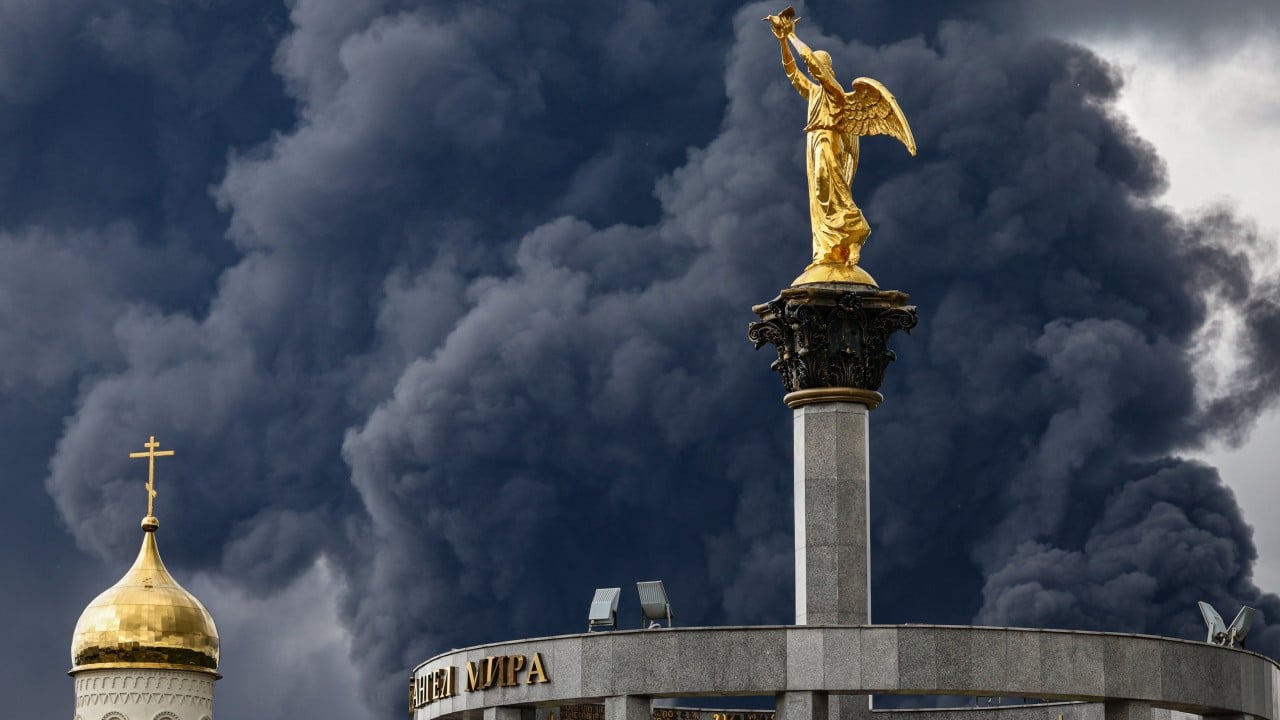
But let's look at the timing. These complaints aren't happening in a vacuum. Ukraine has spent the last few weeks raining drone strikes deep inside Russian territory, hitting critical infrastructure like a major oil refinery right on Moscow's doorstep. Meanwhile, at a recent G7 summit, Ukrainian President Volodymyr Zelensky confidently told Western allies that Kyiv is actively turning the tide of the war.
Faced with a bruising military reality, the Kremlin is doing what it always does when things go south. It's shifting the blame to Washington.
The Broken Spirit of Anchorage
For nearly a year, the Kremlin thought it had a winning hand with Donald Trump back in the White House. During his campaign and early presidency, Trump routinely blamed Zelensky for the war and promised a swift, negotiated end to the conflict. Moscow loved every second of it.
When the two leaders met in Alaska, Russian state media quickly coined the phrase "the spirit of Anchorage." To Moscow, this was code for a very specific deal. They believed Trump would support their core demand, forcing Ukraine to hand over the entire Donbas region in exchange for freezing the current front lines.
It turns out that was wishful thinking.
The US never publicly confirmed what, if anything, was actually agreed upon in Alaska. Allied leaders in Europe openly doubted that Trump had won any real concessions from Putin. Fast forward a few months, and Trump's typical erratic policy shifts left Moscow holding an empty bag. Just a month after the summit, Trump caught everyone off guard by suggesting Ukraine could actually claw back all its stolen territory.
Now, the frustration in Moscow has officially boiled over.
On Sunday, Kremlin aide Yuri Ushakov kicked off the public complaining, grumbling that only one side had stayed committed to their understandings, while the other side has failed to do its part. By Tuesday, Foreign Minister Sergei Lavrov went even further, claiming the whole Alaska summit was nothing but a US ploy to buy time to rearm the Kyiv regime. His deputy, Sergei Ryabkov, joined the chorus, accusing Washington of adopting the anti-Russian policies of the UK and France.
Why the Alaska Understandings Fell Apart
The reality is that Russia misjudged how Washington operates. The Kremlin assumed a personal handshake with Trump could bypass the entire US national security apparatus and European alliance. It couldn't.
Three factors fundamentally broke the momentum of the Trump-Putin understandings.
1. Washington Shifted Focus to Iran
In February, geopolitical priorities changed overnight. Trump, alongside Israel, launched a major military campaign against Iran. Washington's diplomatic bandwidth and military attention immediately pivoted to the Middle East. Moscow suddenly found itself ignored, with no structured diplomatic process, no active American mediation, and no deal on the table.
2. Ukraine Brought the War to Moscow
You can't negotiate a freezing of the lines when those lines are actively burning. Ukraine's recent campaign of deep drone strikes inside Russia has exposed severe gaps in Moscow's defenses. When a Moscow oil refinery goes up in flames, it's a visual message to the Russian public that the war isn't under control.
3. Trump Redefined the Deal
Trump hates looking like he's losing or backing a losing horse. As Ukraine ramped up its resistance and Western allies held firm at the G7, Trump adjusted his rhetoric. The easy victory he promised to deliver through a phone call vanished, leaving him to pivot back toward supporting Ukrainian territorial integrity.
What Moscow Plans to Do Next
Putin is in a corner. The Russian economy is under massive strain from sanctions, and the military is struggling to stop cross-border attacks. When a strongman leader looks weak to his own population, he has to project strength externally.
Veteran international analysts note that Putin desperately needs a visible response to show his people he still holds the cards. Because Russia refuses to negotiate with European governments—viewing them as entirely hostile—its only real path out of the conflict runs through Washington.
Expect Moscow to aggressively escalate its military strikes in Ukraine over the coming weeks. The goal isn't just tactical territory gains. It's an aggressive, violent push to shock the Trump administration back to the negotiating table. Moscow wants to make the status quo so painful for the West that Washington is forced to revive the "spirit of Anchorage" on Russia's terms.
For international observers, the lesson is clear. Informal understandings and backchannel handshakes mean absolutely nothing when the battlefield realities change. Moscow can complain about broken promises all it wants, but as long as Kyiv can strike deep into Russian territory, Washington has very little incentive to bail Putin out.