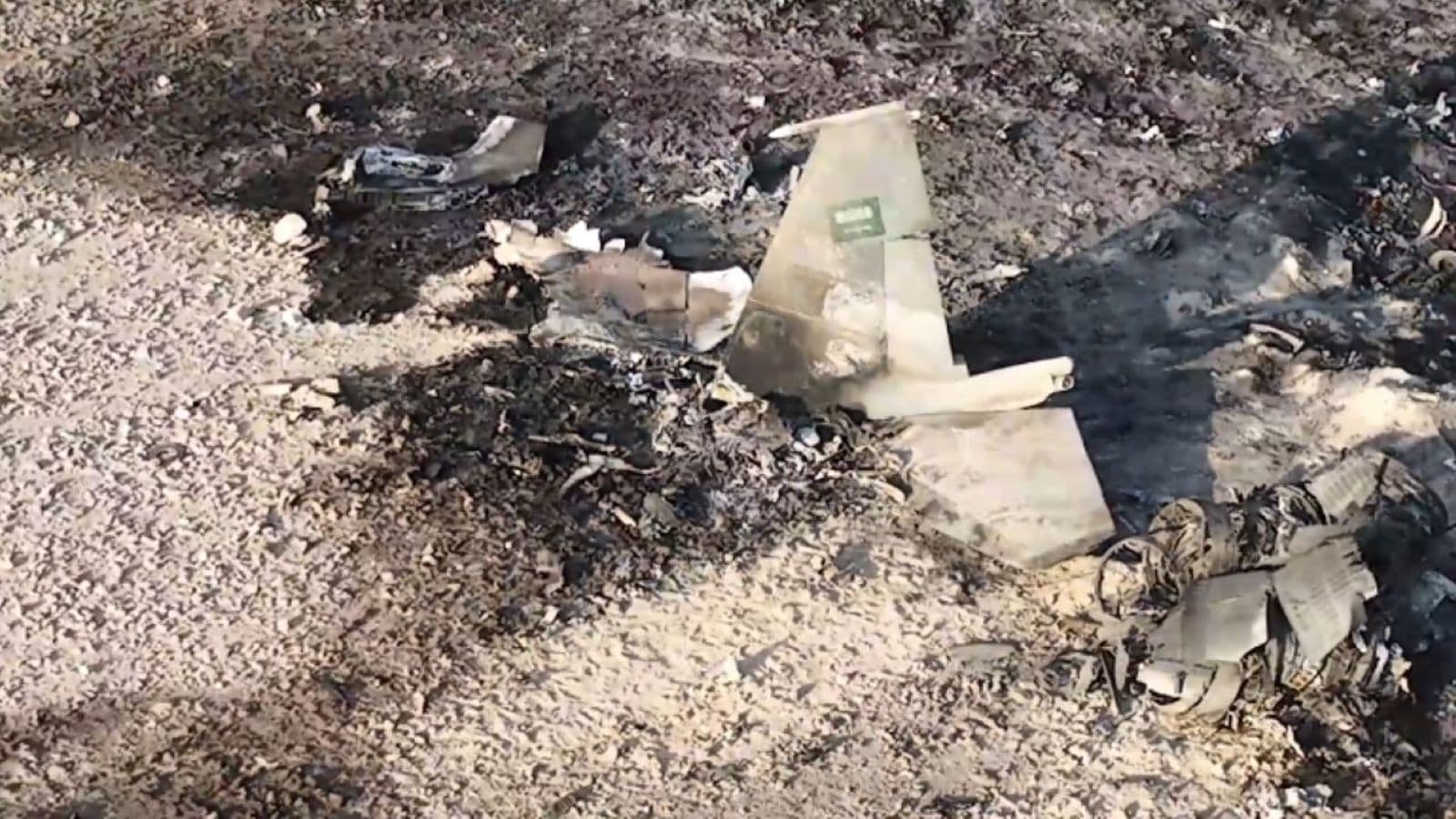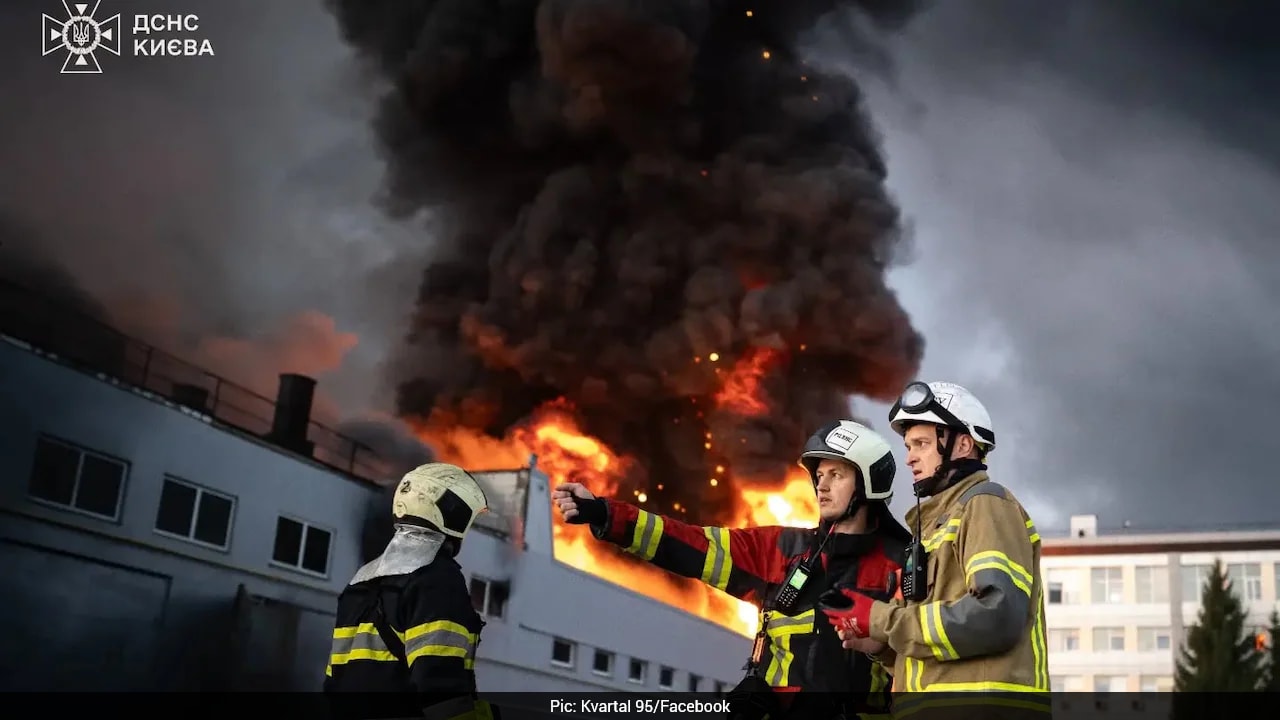
A warehouse in Kyiv burned to the ground, and with it went two decades of Ukrainian pop culture history.
An overnight Russian drone strike targeted the Sviatoshynskyi district of Ukraine's capital, hitting a facility packed with the physical archives of Kvartal 95. If that name sounds familiar, it's because this is the famous television and entertainment production company co-founded by Volodymyr Zelenskyy long before he ever stepped foot into the presidential office.
While the strike mercifully caused no fatalities or employee injuries, the material loss is staggering. Decades of custom stage sets, hand-crafted costumes, props, and memorabilia accumulated over twenty years of comedy shows, films, and satirical television series were turned to ash.
What Was Actually Lost in the Kyiv Warehouse Strike
You might wonder why a warehouse full of comedy props matters in the middle of a brutal war. It matters because cultural heritage is a primary target.
The facility housed items tied directly to the evolution of Ukrainian independent media. Kvartal 95 started back in 2003, born out of a tight-knit comedic troupe. It grew into a powerhouse that ultimately produced Servant of the People, the satirical hit show where Zelenskyy played an accidental president—a role that eerily paved the way for his actual political landslide in 2019.
The recent attack destroyed physical remnants of that trajectory. The studio released a public statement noting that behind every burned costume and charred stage prop lay twenty years of rehearsals, filming schedules, and shared memories with millions of viewers.
And it wasn't just the production company that took a hit. A separate warehouse belonging to the Olena Zelenska Foundation also burned down during ongoing strikes in the region. That specific location stored humanitarian aid meant for vulnerable families, children, and institutions across Ukraine.
The Response From Kvartal 95
Moscow's strategy relies heavily on psychological exhaustion. Destroying civilian infrastructure, cultural artifacts, and humanitarian depots aims to break morale. But the reaction from the targeted entertainment camp was immediate and defiant.
The studio made it clear that physical destruction doesn't equal operational defeat. They announced that all scheduled concerts and charity performances will go ahead exactly as planned.
"Russian weapons can destroy property," the studio stated. "Pero they cannot stop us. We will keep working, writing new jokes, and helping Ukraine's defenders. All scheduled concerts will go ahead—with or without the props."
The defiance isn't just rhetorical. The team locked in dates for upcoming charity events, proving that targeting a warehouse full of old stage gear won't silence a creative industry that has adapted to working under air raid sirens for years.
Why This Strike Symbolizes a Broader Pattern
Targeting a comedy studio's archive might seem like a strange military choice on paper, but it fits a clear psychological pattern. Cultural identity and independent expression have been clear points of friction throughout the conflict. Kvartal 95 spent years mocking political hypocrisy, building a distinct Ukrainian cultural footprint that actively diverged from Russian state media orbits—especially after the annexation of Crimea in 2014, when the studio completely cut ties with Russian broadcasting.
Erasing the physical archives of that journey sends a symbolic message, even if it fails to achieve its intended psychological effect.
Emergency response teams worked through the night in Kyiv to contain the blaze sparked by the jet-powered drone impact. Damage assessments continue across the capital as air defense systems face ongoing nocturnal barrages. Yet, the cleanup crews clear the rubble while performers prep for the next stage.
The props are gone, but the show continues.