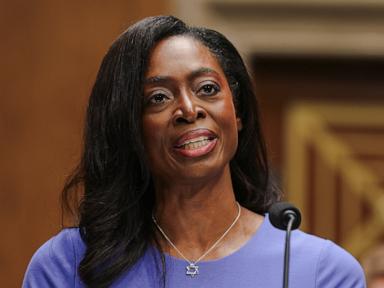
The Senate just voted 51 to 44 to confirm Dr. Erica Schwartz as the permanent director of the Centers for Disease Control and Prevention. This is a massive shift for an agency that has spent nearly a year without Senate-confirmed leadership. You are looking at an institution that has faced intense staffing cuts, high-profile firings, and a fractured relationship with Department of Health and Human Services leadership under Robert F. Kennedy Jr.
Dr. Schwartz steps into the job with an impressive resume. She holds an M.D., a J.D., and an M.P.H., and she brings decades of experience as a retired rear admiral who served as deputy surgeon general during the first Trump administration and chief medical officer for the U.S. Coast Guard. But credentials alone won't fix the deep institutional anxiety running through the Atlanta headquarters.
The Battle Behind the Closed Doors
Let's talk about why this confirmation process was so contentious. During her Senate Health Committee hearings, lawmakers from both sides of the aisle grilled Schwartz on how she plans to handle political interference. They wanted a direct answer. Would she stand up to HHS Secretary Robert F. Kennedy Jr. if he pushed policies that run counter to established medical science?
Schwartz walked a tightrope. She famously pledged that she would "never betray the science" while also stating she did not expect administration officials to ask her to make choices that would harm Americans. That diplomatic answer satisfied enough senators to push her through, but it left public health advocates deeply nervous.
Senator Bill Cassidy, the Republican chairman of the committee, was vocal about his concerns regarding vaccine skepticism and administrative overreach. While Cassidy ultimately voted for her confirmation after private follow-up discussions, other lawmakers remained unconvinced. Senator Bernie Sanders voted against her, arguing that the public deserved a leader explicitly prepared to counter unscientific public health claims.
Why the CDC Desperately Needed Stability
The agency hasn't had a stable, permanent head since Susan Monarez was ousted in August 2025, just weeks after taking the post over a clash regarding vaccine policy. Since then, acting directors have cycled through the office, and a significant portion of the workforce has vanished due to federal reduction-in-force initiatives.
Morale is low. Trust among state and local health departments has taken a beating. Right now, the CDC isn't dealing with a quiet news cycle. The agency is actively tracking a multistate cyclosporiasis outbreak tied to food distribution, managing rising measles cases across the country, and monitoring international infectious threats like Ebola.
You cannot manage active domestic outbreaks with a revolving door in the director's office. Schwartz brings crisis management experience from her past pandemic responses, including outbreaks of Ebola and H1N1. She understands the machinery of federal health emergency response.
What Happens Next for Public Health
The immediate test for Dr. Schwartz won't just be handling infectious disease outbreaks. It will be whether she can assert institutional independence. Public health experts want to see if she will defend evidence-based guidance on immunizations, restore public trust, and protect career scientists from external pressure.
If you are following public health policy or working in clinical care, keep your eyes on how the agency handles upcoming Advisory Committee on Immunization Practices recommendations. Those decisions dictate everything from pediatric vaccine schedules to commercial insurance coverage rules. Schwartz now holds the sign-off power that sat vacant during months of legal and political battles over vaccine schedules.
The real work starts now. Dr. Schwartz has her title, but winning back the confidence of a battered scientific community will take a lot more than a Senate majority.