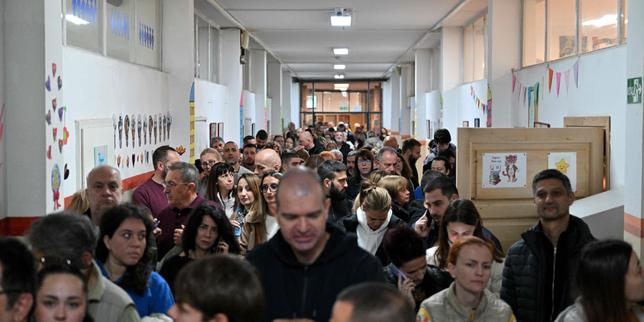
Long queues are forming outside polling stations across Belgrade, Novi Sad, and towns throughout the Balkans today. Voters are casting ballots in early parliamentary elections that feel less like a routine democratic exercise and more like a high-stakes referendum on fourteen years of rule by Aleksandar Vučić and his Serbian Progressive Party (SNS).
If you've been following Balkan politics, you know this day has been coming for two years. The pressure cooker finally blew after the tragic Novi Sad railway station canopy collapse in late 2024, which killed sixteen people and sparked massive, unyielding street protests against corruption and state negligence. Now, millions of Serbs are deciding whether to keep the status quo or hand momentum to a fresh, student-led political movement. Don't miss our earlier coverage on this related article.
What Triggered These Snap Elections
You don't usually see a sitting president resign just to run for parliament. Yet that's precisely what Aleksandar Vučić did on September 27, stepping down from the presidency to head the SNS electoral list. Because the constitution barred him from a third presidential term, he's gunning to become prime minister instead—a post he held from 2014 to 2017.
The strategy is transparent. Vučić wants to anchor his grip on power amid mounting public fury. The catalyst for this wave of dissent wasn't just economic frustration; it was institutional rot. When the railway station concrete gave way, it exposed systemic corruption, lax building standards, and a lack of accountability that ordinary citizens could no longer ignore. Week after week of student-led protests transformed from raw grief into a well-organized political force known as the Student List (Studentska lista). If you want more about the context here, NPR offers an excellent breakdown.
The Main Contenders at the Ballot Box
The electoral map today looks fractured and fiercely contested.
- The SNS Coalition: Led by Vučić, the ruling party leans heavily on state resources, loyal media channels, and nationalist rhetoric. They're pitching themselves as the only guarantee of economic stability and steady growth in a turbulent Europe.
- The Student List: Eschewing traditional party hierarchies, this decentralized movement represents the voice of the streets. Headed on paper by figures like cardiologist Ilija Srdanović, they've managed to energize young voters and disillusioned citizens who normally wouldn't bother casting a ballot.
- The Divided Opposition: Traditional opposition parties have largely been eclipsed or forced into awkward alliances. Meanwhile, nationalist factions are splintered, leaving the contest as a stark binary choice between the entrenched establishment and the anti-corruption student coalition.
Why This Election Matters Beyond the Balkans
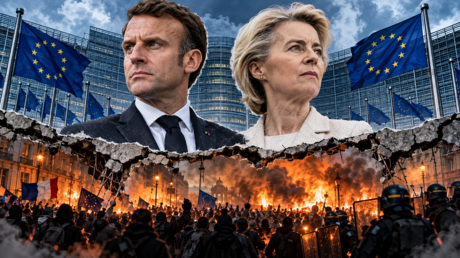
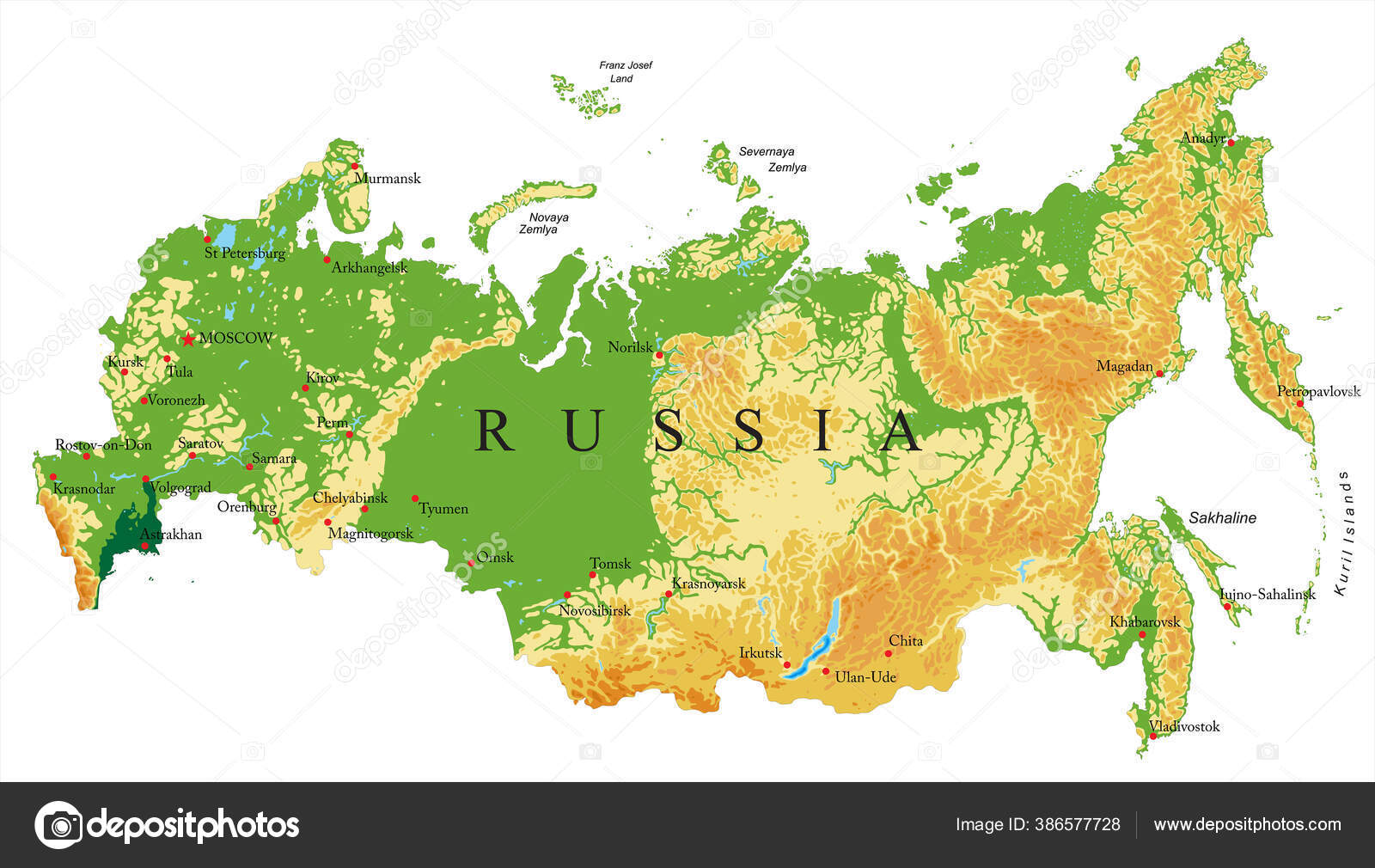
Serbia has been an official European Union candidate country since 2012, but accession talks have stalled badly. Brussels watches closely as Belgrade attempts a diplomatic tightrope walk, balancing ties with the West against historic alliances with Russia and China.
Turnout today is exceptionally high, with international observers reporting long lines and heavy scrutiny from domestic watchdog groups like CRTA. Allegations of voter intimidation and media bias have dogged the campaign trail, meaning that whatever the final tally shows tonight, the aftermath might well spill back onto the streets.
The polls close tonight, but Serbia's political reckoning is only beginning.