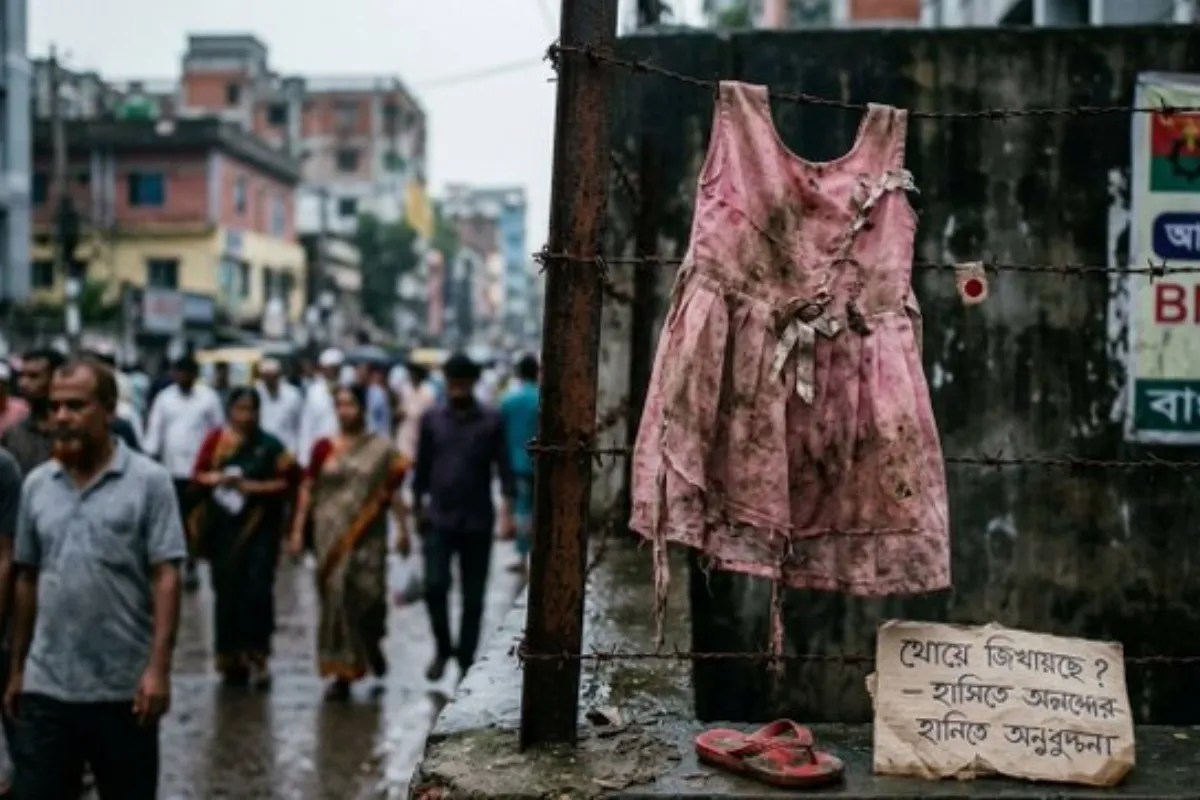
Numbers on a page rarely capture the raw terror of daily existence for millions. When human rights organizations and statistical bureaus drop reports detailing widespread violence against women in Bangladesh, people read the headlines, feel a fleeting sense of shock, and move on. That cycle needs to break. Recent documentation highlights a brutal reality. From young children to elderly citizens, safety remains an illusion for women across the region.
Let's look past the surface-level reporting. Why are safety metrics failing so drastically, and what do these troubling statistics actually mean for the future?
The Breaking Point Behind the Statistics
We often hear about data points in abstract terms. Organizations like the Bangladesh Bureau of Statistics and independent rights groups track physical assault, child marriage, and domestic abuse. But behind every single data entry lies a human story of systemic failure.
Data shows that intimate partner violence remains astonishingly high, affecting roughly three out of four women over their lifetimes. That is not just a statistic. That is a crisis of accountability. When home is the most dangerous place a person can be, society has broken down at its foundation.
Why Underreporting Masks the True Scale
Most survivors never go to the police. Fear, societal stigma, and a lack of faith in the justice system keep millions silent.
- Only a fraction of survivors ever seek formal medical help.
- Legal action remains rare due to social pressure and intimidation.
- Many victims do not even know where to turn for emergency support.
When you factor in how many cases go unrecorded, you realize the official figures are just the tip of a much larger iceberg.
Examining the Non-Partner Violence Reality
It isn't just domestic abuse driving these numbers. Non-partner violence, street harassment, and digital abuse continue to climb. Technology-facilitated harassment, including image-based blackmail and online stalking, targets younger demographics at alarming rates.
Public spaces are far from safe. Women navigating crowded streets, public transport, or educational institutions face daily micro-aggressions that frequently escalate into physical danger. Law enforcement responses are sluggish, and perpetrators often walk free with absolute impunity.
What Actually Needs to Change
Passing laws on paper changes nothing if enforcement remains weak. Governments and community leaders talk endlessly about policy frameworks, yet the gap between policy and reality grows wider every day.
Protecting vulnerable populations requires practical, aggressive measures. Special tribunals need to fast-track assault and abuse cases to ensure swift justice. Police departments must undergo mandatory training to handle survivor testimonies with empathy rather than skepticism. Grassroots education must challenge toxic cultural norms from an early age.
Silence protects the abuser, never the abused. Until society forces real accountability, these tragic reports will keep filling the morning news.