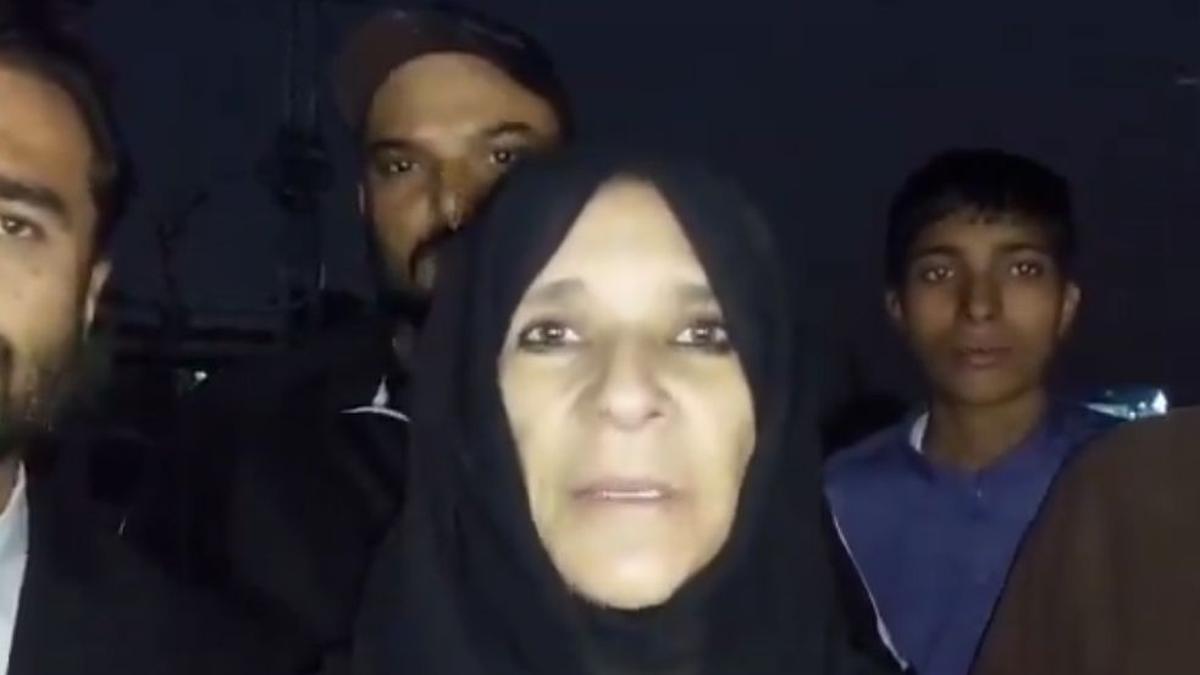
The rumors started long before anyone knew for sure. When a high-profile political leader vanishes behind iron bars and his own family is cut off from contact, the vacuum creates a dangerous kind of speculation. For weeks, questions about whether Imran Khan was even alive dominated social media feeds across Pakistan. The recent confirmation from his sister, Dr. Uzma Khan, that he is alive but enduring what she describes as "mental torture" in solitary confinement, isn't just a political update. It is a sign of a deepening institutional crisis.
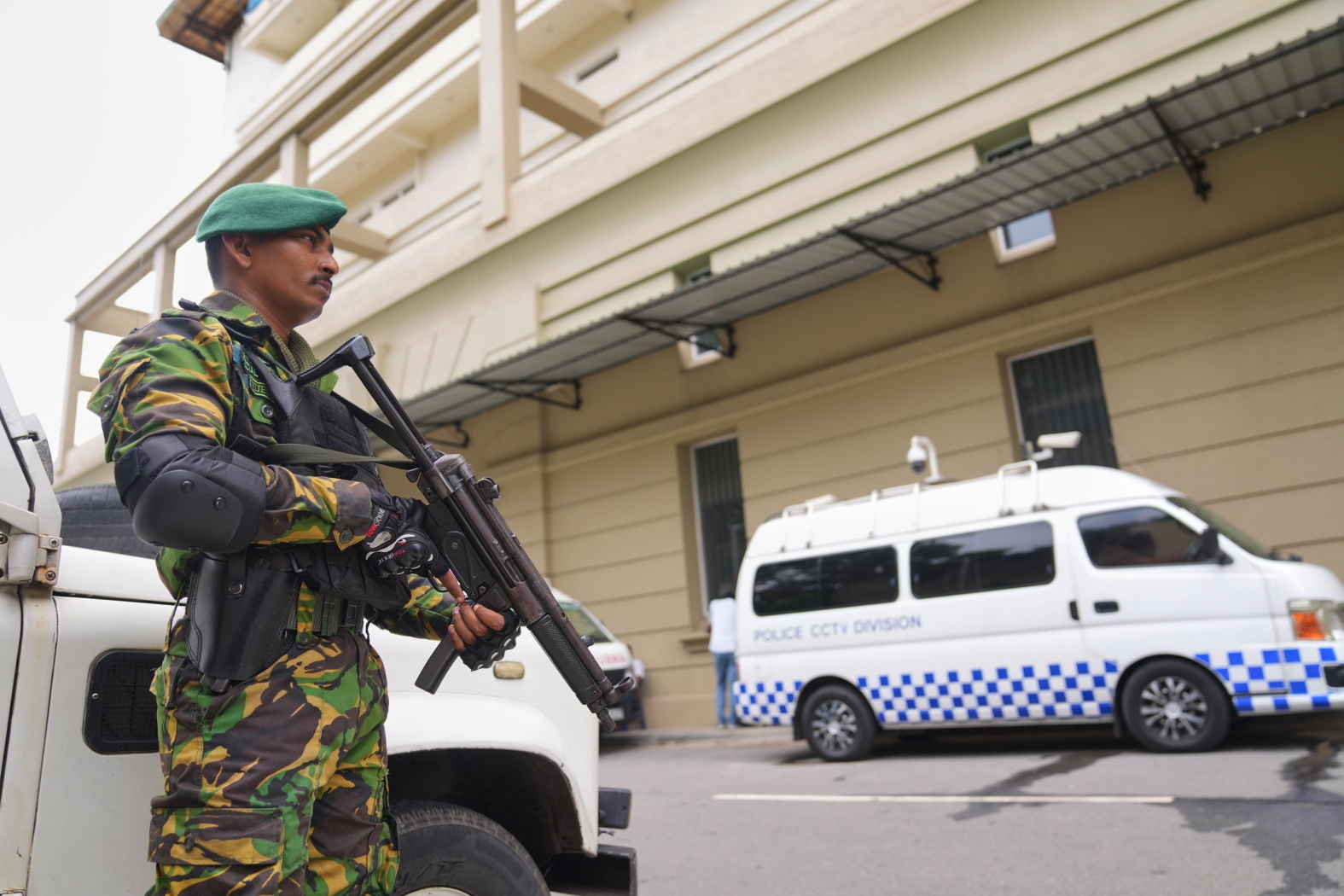
You see, the lack of transparency is the real problem here. In any functioning democracy, keeping a former Prime Minister in total isolation—without family visits or legal communication—would trigger immediate public outcry and judicial intervention. Instead, we witnessed a heavy-handed security lockdown in Rawalpindi, with schools closed and entire districts sealed off just to keep people away from Adiala Jail. Read more on a similar subject: this related article.
The cost of isolation
When officials impose Section 144 to prevent gatherings of more than four people, they aren't just managing public order. They are admitting that they fear the optics of the situation. By forcing family members to fight for simple visitation rights, the state inadvertently turns a legal battle into a humanitarian crisis.
I have followed political detentions for years, and the pattern is rarely accidental. When you remove a leader's ability to communicate with his legal team or his family, you create a psychological pressure cooker. It’s a method designed to break morale. While the jail authorities insist that he is in "good health," a claim that his supporters and family members are right to view with deep skepticism, the truth remains obscured by layers of bureaucratic hurdles and heavy security. Additional journalism by BBC News highlights similar views on this issue.
Why the skepticism remains
If you're wondering why his supporters don't just take the government at its word, look at the timeline. Khan has been imprisoned since August 2023. When you go over a month without any confirmed access to a prisoner of his stature, the default assumption in a volatile political climate becomes the worst-case scenario. That is why his son, Kasim Khan, felt compelled to publicly demand proof of life. That isn't normal. That is a symptom of a total collapse in institutional trust.
The government’s response—deploying the police force and sealing an eight-kilometer stretch around the jail—speaks volumes. If the state had nothing to hide and the detention was handled with procedural fairness, there would be no need for this level of defensive posturing. It’s a classic move: stifle the news, lock down the area, and dare anyone to challenge the narrative.
The broader impact on Pakistani politics
This situation matters because it sets a precedent. When standard legal protections and human rights are suspended for a former head of state, everyone else is effectively at risk. It signals that the rule of law is being treated as a variable, contingent on which party is currently holding the levers of power.
You should also look at the role of the judiciary. If the courts are silent or ineffective while a former PM is kept incommunicado, the public loses faith in the legal process entirely. It pushes people toward the streets, which is exactly why the protests continue to flare up despite the heavy police presence.
Moving beyond the headlines
So, where does this leave us? The reality is that the situation in Pakistan is currently in a state of suspended animation. The government is doubling down on its control, and the opposition is using every available platform to highlight the abuse of power.
If you want to understand the trajectory of this, don't just watch the press releases from government officials. Watch the legal maneuvers. Watch the frequency of family visits. Watch the intensity of the security lockdowns. These are the real indicators of how much pressure the state is under.
We need to stop treating these events as isolated incidents. They are part of a wider effort to neutralize political threats by breaking the individual. For someone like Imran Khan, who built his entire career on a populist, anti-establishment platform, isolation is the most effective weapon they have. Whether it succeeds is another question entirely. History rarely stays quiet for long, and in a country as politically charged as Pakistan, the silence of a prisoner often speaks louder than any speech he could have made from the outside.