Corporate accountability usually amounts to empty press releases. When a massive company fails its customers, the public gets an apology script, a promise to do better, and very little actual change.
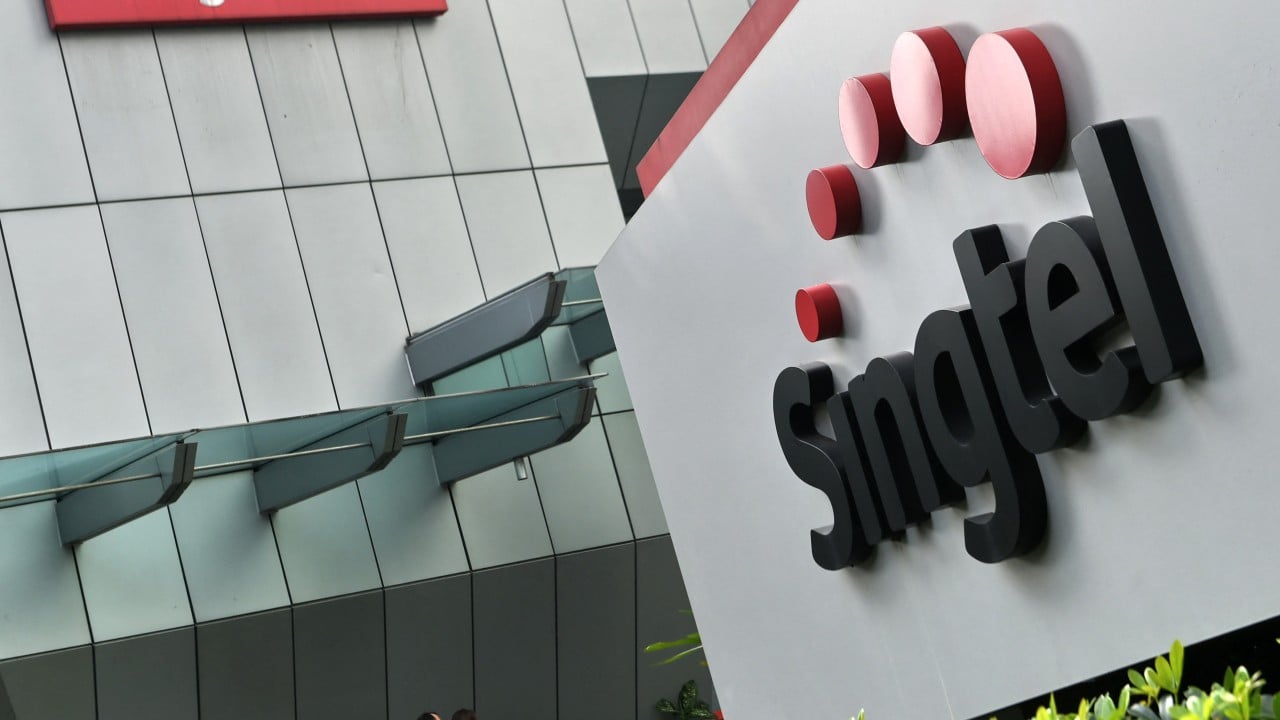
That is why the latest financial report from Singapore Telecommunications Ltd, better known as Singtel, is making waves. The company just slashed Group CEO Yuen Kuan Moon's total pay packet by 16.9% for the financial year ending March 31, 2026. If you found value in this piece, you might want to look at: this related article.
Yuen took home S$6.82 million, a steep drop from the S$8.21 million he earned the previous year. Other top management executives also took an 11.9% hit to their combined compensation, which dropped to S$25.9 million.
This was not a punishment for bad financial performance. Ironically, Singtel had a highly profitable year. Instead, the board targeted executive wallets specifically because of major network outages that disrupted millions of lives and, tragically, cost lives. For another perspective on this event, refer to the latest coverage from The Motley Fool.
The Real Cost of System Failures
Most corporate pay cuts happen when profits plummet. Singtel flipped that script. The company's net profit actually jumped 40% to S$5.6 billion, largely padded by a massive S$2.84 billion gain from selling off parts of its stake in the Indian telecom giant Airtel.
Yet, the board made it clear that financial engineering cannot mask operational failure.
The biggest blow to the company's reputation happened in September 2025 in Australia. Singtel's local subsidiary, Optus, suffered a catastrophic 14-hour network failure following a routine firewall upgrade. The glitch did not just stop people from scrolling social media. It blocked over 75% of emergency calls to Australia's Triple Zero (000) hotline. An independent investigation later linked the system collapse to at least three fatalities because people could not reach ambulances in time.
Months later, the issues hit home. In March 2026, Singtel's core network in Singapore experienced consecutive disruptions. A mechanical fault cut off mobile services for roughly 600,000 customers for more than eight hours, followed by a software bug that hit thousands more the next day.
When your core product fails so badly that regulators step in and emergency services go dark, profit margins stop mattering.
The Structure of a Executive Pay Cut
How do you actually take away millions from a corporate chief? To understand the mechanism, you have to look at how these massive packages are built.
Yuen's base salary remained stable at S$1.3 million. The board did not touch his core living wage. Instead, the penalty targeted performance bonuses and share awards. Nearly 60% of Yuen's total pay is tied directly to equity, and another quarter rests on variable bonuses. By dragging down the performance metrics tied to operational resilience, the board successfully shaved off S$1.39 million.
It is a blueprint for how boards should handle infrastructure failures. For years, tech and telecom giants have treated network uptime as a technical issue for engineers to solve in the basement. By shifting the financial risk of downtime to the corner office, the board forces a cultural change.
Moving Past the Apology Tour
Singtel is trying to use this moment to draw a line in the sand. Optus has accepted all 21 recommendations from the independent review into the Australian disaster. They are currently rebuilding their operational structure by expanding local network operations, putting more staff in call centers, and building automated welfare checks to catch failures faster.
Meanwhile, the parent company is trying to pivot its public image toward future tech. Yuen has stated the goal is to shift Singtel from a traditional telecom provider into a global digital infrastructure player, heavily investing in data centers and AI integration.
But as tech infrastructure becomes more complex, the risk of systemic software bugs and faulty upgrades increases. If companies want to build the future of AI and digital data, their basic connectivity cannot fall apart.
If you run an organization or manage a team, this situation offers a clear lesson. Take a hard look at your own performance metrics. Are you only rewarding growth and revenue, or are you actively disincentivizing operational negligence? True accountability means establishing clear financial penalties for structural failures before a crisis happens, not just after the regulators show up at your door.
:max_bytes(150000):strip_icc():focal(749x0:751x2)/Jennifer-lopez-Ralph-lauren-NYFW-09082331-c093c96627664e45ab95e97b864f1944.jpg)