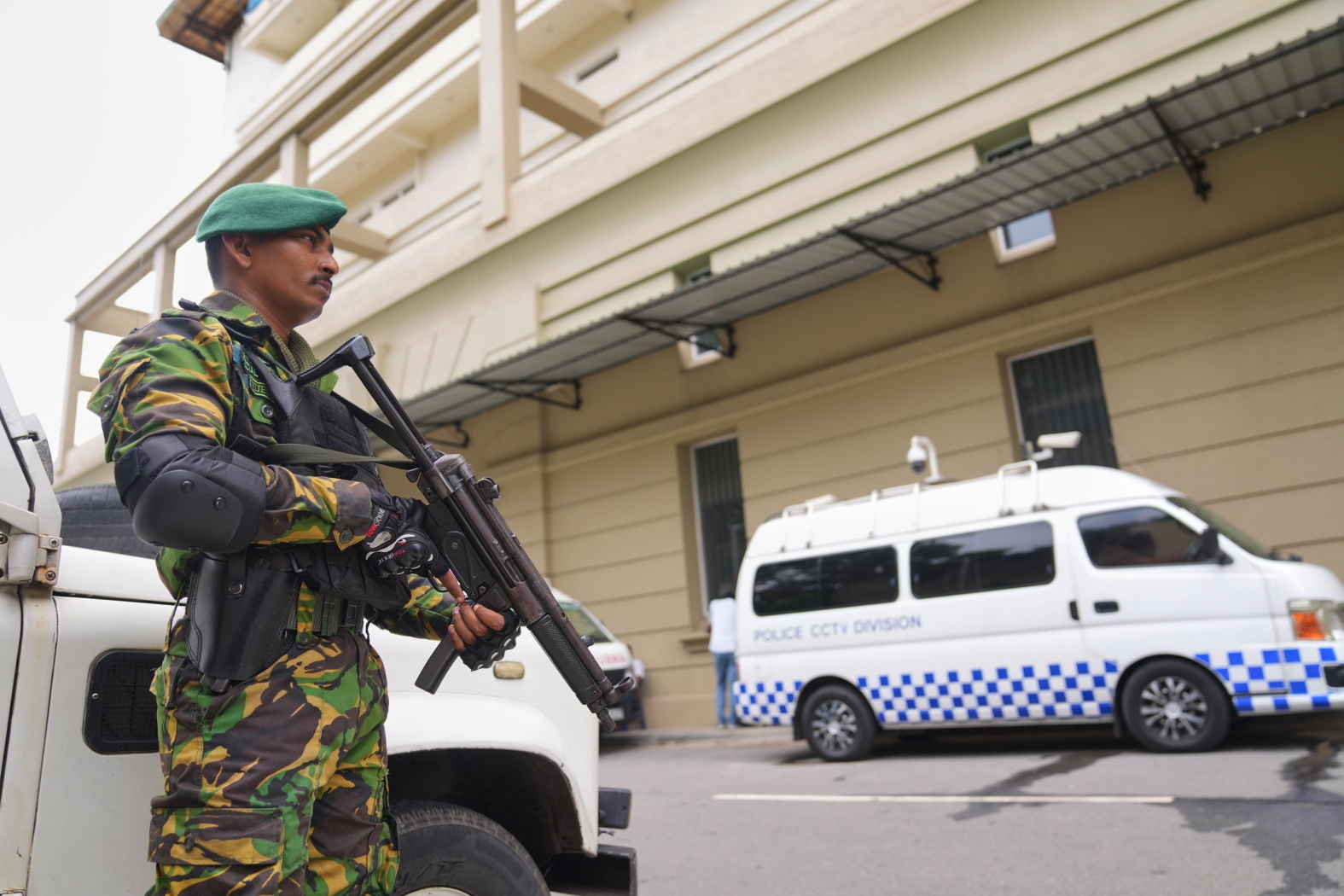
Seven years after coordinated suicide bombers tore through packed churches and luxury hotels, a Colombo High Court has finally handed down its verdicts for the 2019 Easter Sunday attacks. Fifteen men were convicted of plotting, financing, and aiding the blasts, which killed nearly 280 people, while nine others walked free. But for survivors and families of the victims, this courtroom milestone feels less like closure and more like a half-finished chapter in a much larger story.
If you are trying to understand why this verdict matters—and why deep skepticism remains across the island—you have to look beyond the prison buses and police commandos outside the courthouse. You have to look at the staggering scale of the trial, the intelligence failures that preceded the bloodshed, and the lingering allegations that extend far beyond the dock.
Inside the Verdict and the Trial
The numbers tell a story of an exhaustive, grinding judicial process. Prosecutors filed over 23,000 charges against the original group of defendants. More than 2,300 witnesses gave evidence, and investigators brought forward over 2,000 pieces of physical evidence, ranging from explosives to firearms and swords.
The three-judge High Court bench found 14 men guilty on all charges, while a 15th defendant was convicted on a partial count. Among those found guilty is Mohamed Naufar, also known as Naufer Moulavi, whom prosecutors identified as a primary mastermind who inspired and backed the local extremist cell. The men faced trial under the country's strict Prevention of Terrorism Act, charged with murder, conspiracy, and explosive offences.
Yet, none of the actual suicide bombers survived the April 21, 2019 attacks. The men sitting in the dock were planners, logisticians, and recruiters belonging to local extremist factions inspired by the Islamic State, such as National Thawheed Jamaat, led by Zaharan Hashim.
Why Victims and the Catholic Church Are Still Demanding Truth
For all the legal weight of the convictions, the reaction from Sri Lanka's Roman Catholic Church and victims has been complicated. While some expressed relief that a court finally held someone accountable, skepticism runs deep.
Sri Lanka's Catholic leadership has long argued that the men convicted in court were merely tools in a wider, darker conspiracy. Critics and victim advocates point out that the trial focused strictly on the immediate extremist network, leaving broader institutional and political culpability largely unexamined by this specific ruling.
You cannot separate these convictions from the massive state negligence that allowed the attacks to happen in the first place. Foreign intelligence warnings—most notably from India—poured into Sri Lankan security channels weeks before the bombings. Those warnings were ignored, downplayed, or lost in bureaucratic paralysis.
Accountability has trickled out slowly through separate legal channels. The country's Supreme Court previously ordered former President Maithripala Sirisena to pay compensation after finding him personally responsible for national security failures. Other high-ranking defense and police officials have faced criminal negligence convictions and death sentences, though capital punishment remains subject to a long-standing moratorium that effectively converts such sentences to life imprisonment.
The Shadow of Political Conspiracy Claims
The trial's conclusion does little to quiet the persistent political storms swirling around the tragedy. Whispers and allegations of high-level state complicity refuse to die down.
A 2023 documentary by British broadcaster Channel 4 featured whistleblower claims suggesting that elements within the state security apparatus deliberately allowed the extremist threat to fester. The narrative alleged that a manufactured security crisis was meant to boost the political fortunes of the Rajapaksa family, paving the way for Gotabaya Rajapaksa's election victory later that year on a hardline security platform.
Both former President Rajapaksa and former intelligence chief Suresh Sallay—who has faced separate investigations and arrest restrictions over these allegations—have fiercely denied any involvement. Sallay was arrested earlier in the year as new probes commenced.
What Happens Next
The courtroom door has closed on the 15 convicted men, but the political and social fallout in Sri Lanka is far from over. The country remains mired in deep economic distress, and public trust in state institutions sits at rock bottom.
For ordinary citizens and international families who lost loved ones—including foreign nationals from India, the UK, the US, and Denmark—the path forward requires full transparency. True justice demands that every institutional failure and political shadow behind the 2019 massacre is brought into the open daylight, regardless of who it implicates.
Keep your eyes on the ongoing probes into intelligence leadership and political maneuvering. The verdict delivered today marks a legal milestone, but the search for the complete truth is still underway.