When a jail built to hold roughly 1,000 people crams in over 4,000 desperate humans, a breaking point isn't a surprise. It's an absolute mathematical certainty.
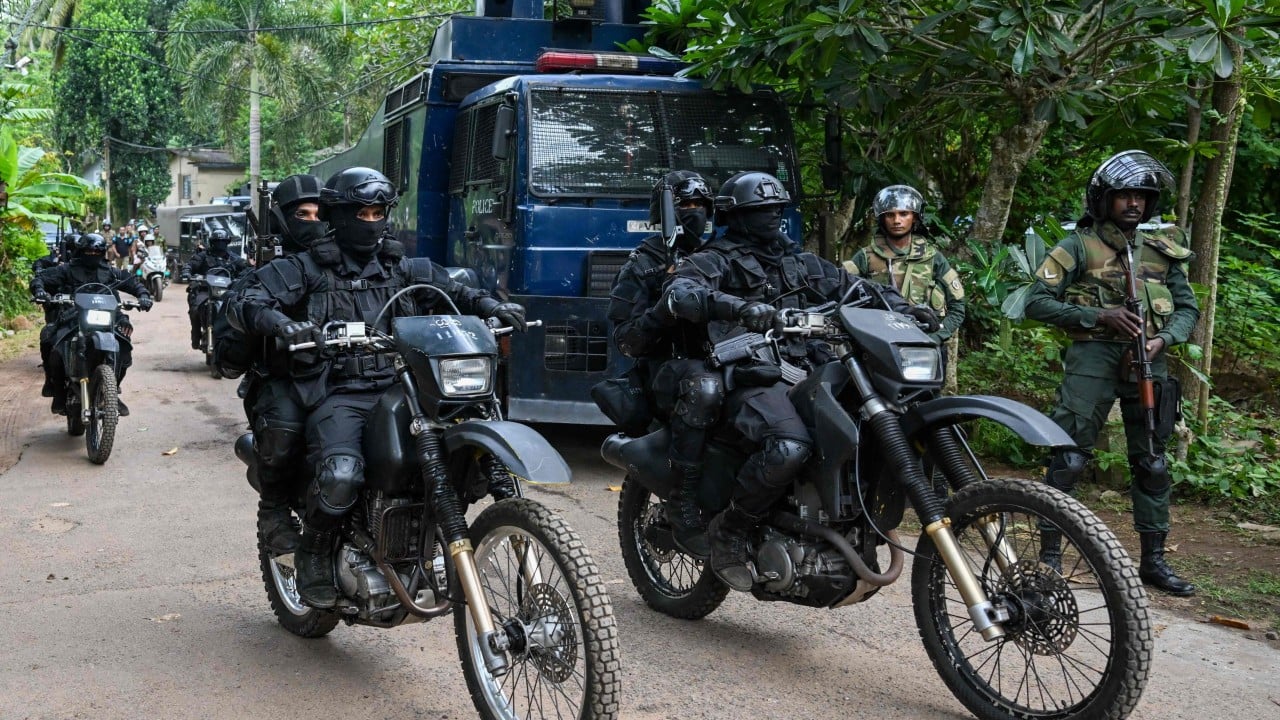
Sri Lanka deployed hundreds of military troops and elite Special Task Force commandos to Mahara Prison after a violent riot broke out. The numbers tell a grim story: at least one inmate died, six others wound up hospitalized, and critical infrastructure inside the facility—including the kitchen, the prison hospital, a rehabilitation block, and vocational training rooms—was completely destroyed.
If you're wondering why this keeps happening, you have to look past the smoke and shattered glass. Mahara isn't an isolated anomaly. It's a flashing red warning light for a correctional system teetering on the edge of total collapse.
The Breaking Point Inside Mahara Prison
The unrest kicked off on a Saturday afternoon. According to police sources, prisoners climbed onto the facility's roofs, set fires inside administration offices, and torched records during family visiting hours. Deputy police inspector-general Sanjeewa Medawatte confirmed that authorities had to call in heavy military reinforcements to push rioting inmates back into their cells and restore basic order.
The immediate catalyst remains under intense scrutiny, but the underlying fuel is painfully obvious. Mahara Prison was holding about 4,100 inmates—nearly four times its actual structural capacity. When human beings are stacked on top of each other like cordwood, basic sanitation, medical care, and mental health resources evaporate. Panic takes over.
A Systemic Crisis Rooted in Overcrowding
Mahara's explosion follows a horrific precedent. Just a month prior, clashes at another jail in Negombo left dozens dead, including 10 guards and 21 inmates, marking one of the deadliest prison riots in Sri Lanka's modern history.
Look at the broader national picture, and the math gets even scarier. Sri Lanka's entire prison network holds over 41,000 inmates spread across 22 facilities designed to accommodate a combined total of roughly 11,000 people. That is a permanent 370% overcapacity rate.
Worse yet, a staggering majority of these inmates aren't even convicted criminals. Over three-quarters are remand prisoners—people sitting behind bars for months or years simply waiting for their trials to begin, heavily snagged on low-level or drug-related offenses. When the courts stall, the jails fill up. When the jails fill up past the breaking point, the walls turn into pressure cookers.
What Authorities Are Doing and Why It Falls Short
The government isn't sitting completely idle. Officials recently announced plans to convert disused state buildings into auxiliary prisons to bleed off the population pressure.
Yet, quick fixes and temporary facility conversions won't solve a systemic legal backlog. Deploying elite commandos and army troops puts out the physical fire, but it does nothing to address why the cells are dangerously packed in the first place. Until Sri Lanka accelerates court trials, reforms its bail laws for non-violent offenders, and rethinks its heavy-handed drug incarceration policies, troops will just become a permanent fixture outside cell blocks.
The smoke at Mahara has cleared, but the structural fire burning underneath the nation's justice system is still blazing.