The Strait of Hormuz isn't just another stretch of water on a map. It's the jugular vein of global energy supplies, and right now, it's bleeding tension. If you've been watching the geopolitical fallout from recent conflicts, you know that control over this narrow passage has exploded into a massive shouting match between Washington and Tehran.
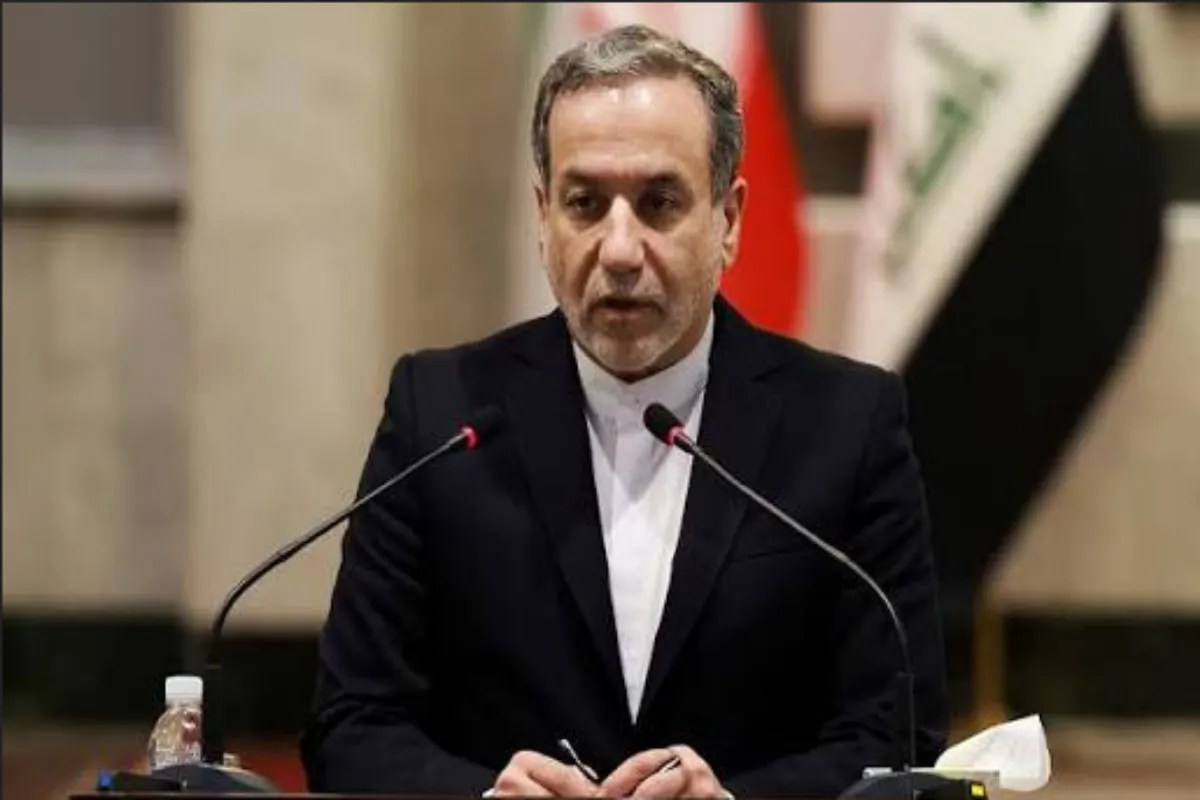
Iranian Foreign Minister Abbas Araghchi didn't mince words recently when laying the blame squarely on the United States for the escalating insecurity in the region. But to understand why this matters right now, we have to look past the fiery rhetoric and examine what's actually happening on the ground and in the water.
The Battle for the Strait
For decades, the Strait of Hormuz has been Iran's backyard. It's a critical maritime choke point connecting the Persian Gulf with the Gulf of Oman, carrying a massive percentage of the world's petroleum. But Donald Trump and American military planners have taken a radically different stance, referring to it aggressively and claiming dominance for the U.S. Navy.
Washington insists that maritime traffic is normalizing and shipping lanes remain open for business. Tehran tells a completely different story. According to Iranian officials, the waterway remains heavily restricted, fraught with maritime hazards, and plagued by naval mines threatening unauthorized vessels.
Miscalculations and Military Realities
Araghchi pointed out a fundamental miscalculation by the U.S. at the onset of the current conflict: the assumption that Iran was weak. Eight months into a grueling standoff, Tehran argues that Washington severely miscalculated its opponent's staying power and resilience.
When superpowers misjudge regional actors, shipping lanes become minefields. Commercial vessels caught in the crossfire bear the brunt of these strategic blunders. It's a dangerous game of chicken where one wrong coordinate or misidentified radar blip could trigger a catastrophic escalation.
Europe Stumbles in the Dark
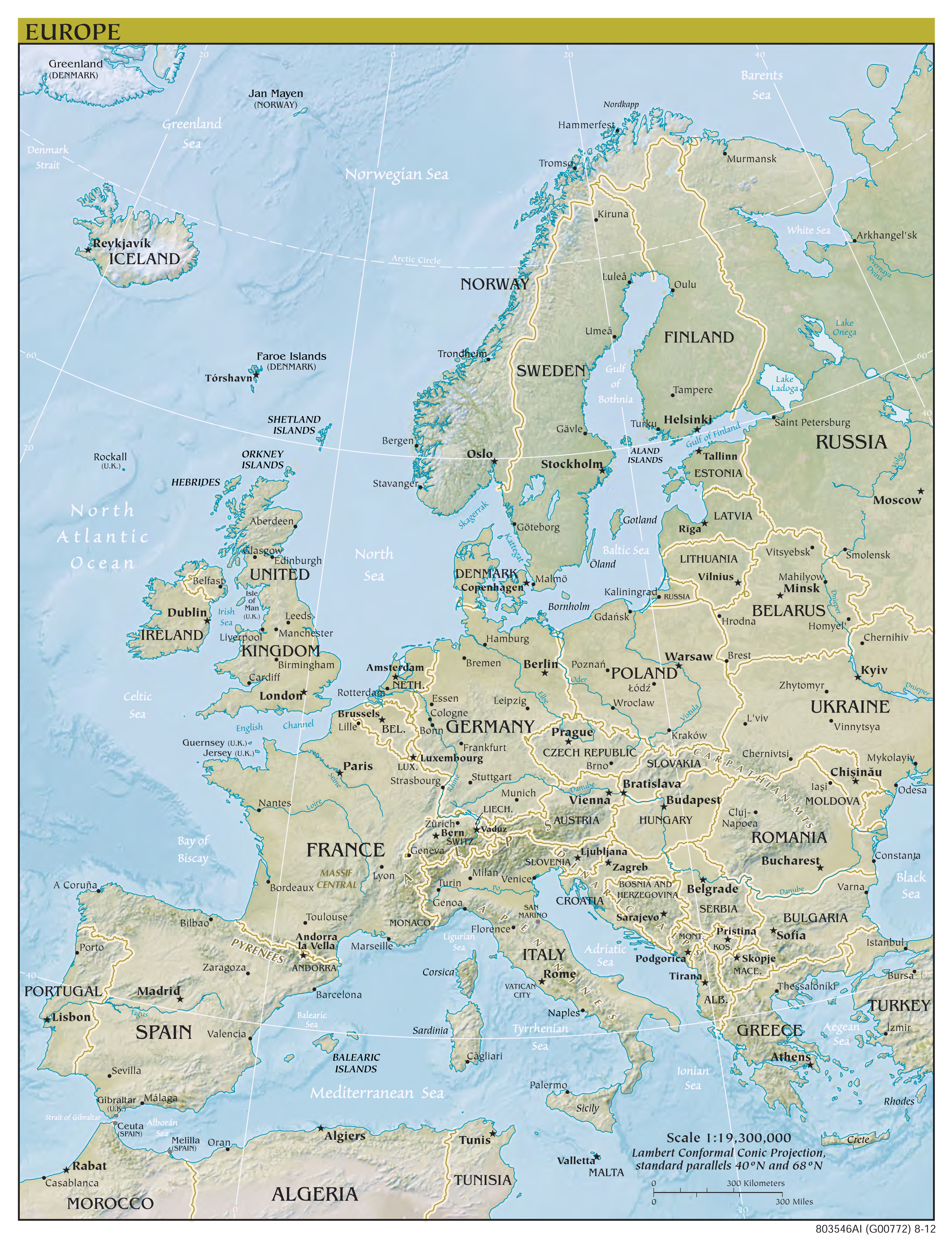
It's not just Washington taking heat. Tehran has trained its sights on European foreign policy as well, accusing European leaders of sleepwalking through diplomatic crises. From protracted miscalculations in Ukraine to unwavering diplomatic cover for Israeli military actions that have claimed tens of thousands of Palestinian lives, Europe's strategic footprint looks increasingly chaotic.
When major players misread local dynamics, the instability radiates outward. Energy markets shudder, insurance rates for cargo ships skyrocket, and global supply chains brace for impact.
What Comes Next
The standoff in the Strait of Hormuz isn't a localized skirmish that will blow over by next week. It's a structural rupture in how global powers contest maritime corridors. Until a diplomatic framework addresses the root causes of these naval standoffs, every tanker passing through those narrow waters remains a floating hostage to geopolitics. Watch the insurance rates, watch the naval deployments, and stop assuming energy security is guaranteed.