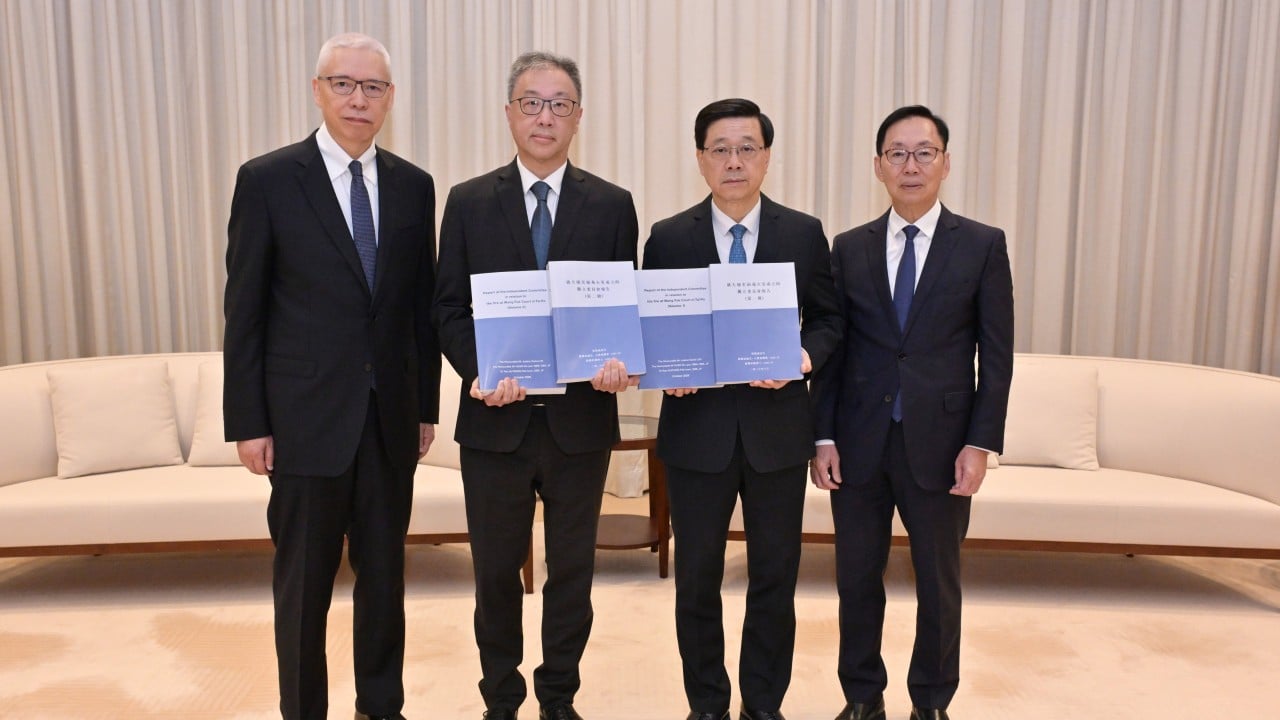
Sixteen weeks of hearings, over a million files, and two terabytes of evidence. That’s what it took to build the official picture of Hong Kong’s worst residential fire in decades. The independent committee investigating the tragedy at Wang Fuk Court in Tai Po has officially handed over its final two-volume report to Chief Executive John Lee Ka-chiu.
If you've been following the aftermath of the November 2025 disaster—which claimed 168 lives and left nearly 5,000 residents displaced—you already know the stakes are enormous. The judge-led panel didn't hold back. According to insiders familiar with the document, the report spans more than ten chapters and squarely targets four government bodies for severe regulatory failures.
Let's break down what actually happened, who is in the crosshairs, and why this report changes the conversation around building safety in the city.
Inside the Findings on the Four Government Bodies
The core of the controversy lies in systemic oversight. During the final rounds of hearings led by senior counsel Victor Dawes, the inquiry pointed fingers directly at four agencies: the Independent Checking Unit (ICU) under the Housing Bureau, the Buildings Department, the Fire Services Department, and the Labour Department.
Among these, the ICU reportedly bears the heaviest burden of responsibility in the panel's eyes.
Why? Because major renovations and large-scale maintenance projects slipped through administrative cracks. Private stakeholders—including contractors and consultants—frequently acted as rubber stamps rather than safety watchdogs. Instead of active field inspections, officials relied on paper compliance. When those paper trails were fraudulent or poorly vetted, nobody noticed until it was too late.
The government's legal representatives argued that pinning everything on public officials ignores the unlawful conduct of private contractors engaged in bid-rigging and shoddy workmanship. Yet the committee's findings make it clear: regulatory bodies had the mandate to catch these violations, and they failed.
The Push for Structural Reform
You can't fix a broken system with minor tweaks. The inquiry's recommendations aren't just administrative suggestions; they demand structural overhauls across the board.
The panel has pushed for strict criminal penalties to combat rampant bid-rigging during major housing renovations. Right now, dishonest contractors treat fines as a cost of doing business. Jail time changes that calculus entirely.
Furthermore, the report targets the professional standards of engineers and surveyors. When these professionals sign off on fire installation certificates without verifying physical safety standards, they endanger thousands of lives. The inquiry wants accountability tied directly to personal licenses, meaning professionals can no longer hide behind corporate entity shields when things go wrong.
What Happens Next With Accountability
Chief Executive John Lee has confirmed receipt of the report, noting that it will undergo review by the Department of Justice before a redacted version is released to the public.
That delay has sparked quiet debate across the city. Transparency advocates argue that holding back details—even under the guise of avoiding prejudice to ongoing criminal proceedings—risks undermining public trust. If residents don't see tangible consequences for administrative negligence, skepticism will only grow.
At the same time, internal civil service adjustments have already begun. Seasoned administrative officials with heavy crisis-management backgrounds were moved into key positions earlier this month to prep the groundwork for disciplinary actions.
Real change requires more than glossy government press releases or promises of future reviews. It demands a total cultural shift away from checkbox bureaucracy and toward aggressive enforcement.
If you own property or live in a high-density estate undergoing major maintenance, keep a close eye on how the administration handles these recommendations. Demand transparency from your property management offices, check the credentials of your contractors, and refuse to accept standard paper approvals at face value. The lessons of Tai Po are written in a tragedy that should never be repeated.