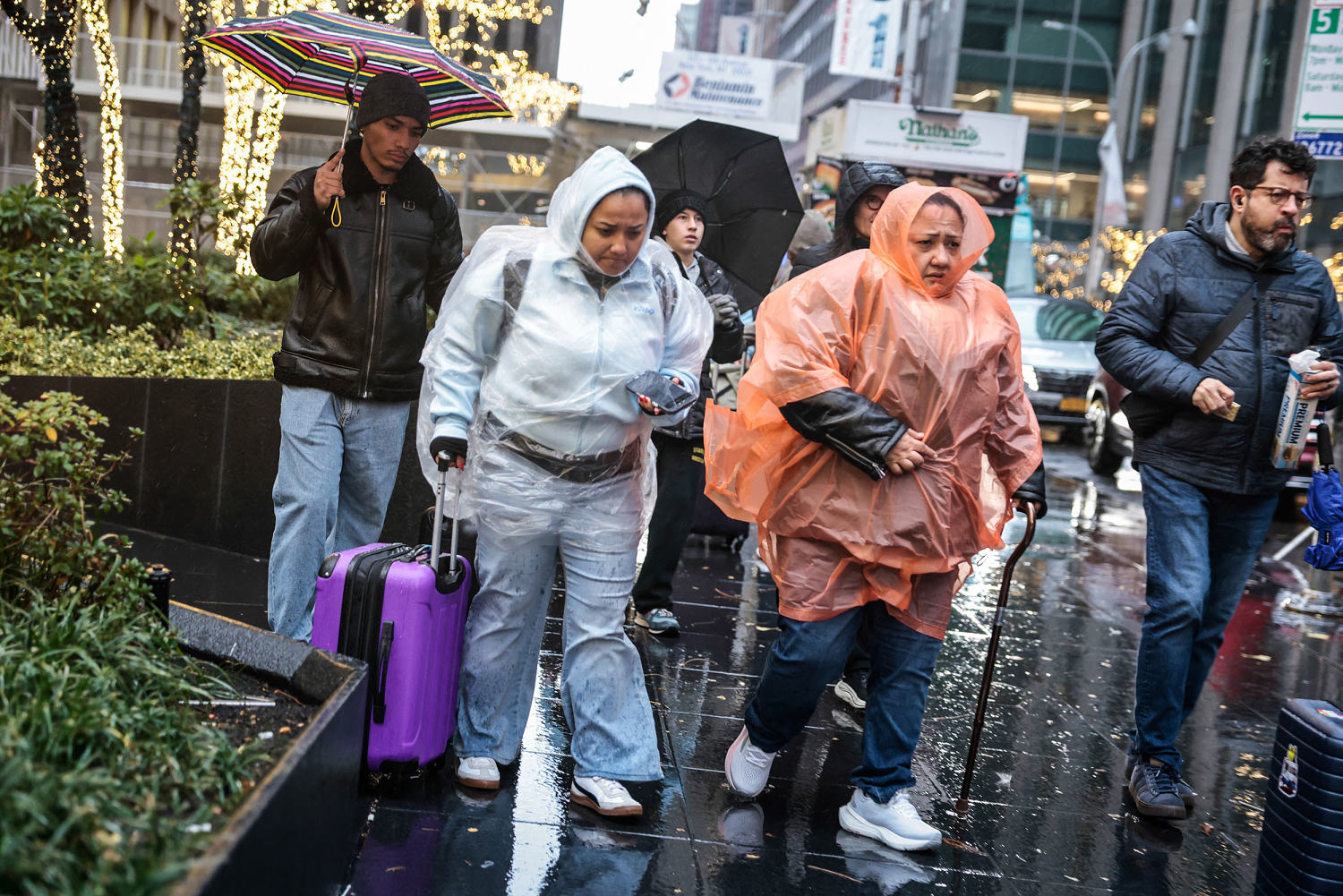
Two coasts got hammered at once. Nearly 900,000 customers lost power. Thousands of flights stalled or vanished.
When severe weather slams the country over Thanksgiving week, it doesn't just ruin a dinner or delay a flight. It exposes every weak spot in how we move, power homes, and plan around holidays. During the November 2026 holiday stretch, dual storm systems and high astronomical tides tore through both the East and West Coasts, knocking out electricity for hundreds of thousands of homes and businesses, flooding coastal towns, and forcing New York City to postpone its 100th Macy's Thanksgiving Day Parade to Saturday for the first time in its history.
If you're stuck in an airport terminal right now, staring at a dark thermostat, or wondering how a holiday weekend unraveled so fast, here is the real story. Thanksgiving weather chaos isn't a fluke. It's a predictable collision of peak travel volume, brittle infrastructure, and seasonal atmospheric shifts.
What Thanksgiving Storm Travel Actually Breaks
Most travelers treat a Thanksgiving storm like a single bad traffic jam or a cancelled flight. That's a mistake.
Holiday storms hit a system already running near capacity. Millions of people travel within a narrow window, often flying or driving through major hubs like New York, Philadelphia, Chicago, St. Louis, or coastal corridors that don't have much slack when conditions deteriorate. Once a storm stalls or speeds up across a region, delays cascade across hubs hours away from the actual rain or snow.
During the November 26, 2026 storm wave, utility tracking from PowerOutage.us showed outages climbing from roughly 358,000 customers early Thursday morning to around 800,000 to over 900,000 by Thursday evening as heavy winds, rain, and wet snow moved across the Midwest and East Coast. Flight-tracking data from FlightAware showed well over 2,000 flights delayed and hundreds cancelled on Thanksgiving Day alone.
Here is what tends to fail first when those numbers climb:
- Airports and airspaces: Crosswinds, low ceilings, and de-icing bottlenecks shrink arrival rates fast. Even if your departure city has clear skies, an incoming aircraft stuck in the Northeast can strand you for the night.
- Bridges, causeways, and barrier roads: High winds and coastal inundation shut down critical links quickly. On Thanksgiving Day 2026, high winds closed the Chesapeake Bay Bridge-Tunnel for hours, while ocean water breaching dunes closed Highway NC 12 on Hatteras Island and flooded coastal streets from North Carolina to New Jersey.
- Local water and hospital systems: Power dips don't stay confined to living rooms. Intermittent electricity in Maryland prompted water conservation requests for nearly two million water customers in Montgomery and Prince George's counties, while Chester County Hospital experienced a partial outage before power was restored without moving patients.
- Community events and local economies: Pushing New York City's 100th Macy's Thanksgiving Day Parade to Saturday kept giant balloons out of dangerous winds, yet it forced visiting performers and marching bands—such as a Texas high school band that raised funds to stay in the city—to scramble for extra lodging and schedule adjustments.
Honestly, the hardest part for most people isn't the weather itself. It's the whiplash between holiday expectations and sudden logistics collapse.
Why Dual Coasts and Wild Weather Swings Keep Colliding
People often ask why November storms feel so erratic—snow in the Midwest, near-tropical downpours or gale gusts along the Atlantic, and punishing surf or king tides along the Pacific.
Late autumn is a transition season. Cold air pushes south from Canada while warm, moisture-rich air still lingers over southern waters and coastal currents. When a fast-developing low-pressure system taps into that temperature contrast, it can drop heavy, wet snow inland while driving strong onshore winds and coastal flooding along the shore.
In Missouri and Illinois around St. Louis, early Thanksgiving weather brought heavy, wet snow—up to 9 inches in High Ridge—that clings to branches and lines. Meteorologists like AccuWeather senior meteorologist Joe Lundberg have pointed out that heavy, wet snow adds serious weight to trees and utility lines, bringing them down even when winds aren't extreme. Meanwhile, along the East Coast, strong gusts and coastal flooding prompted mayors and emergency officials to warn residents away from flooded roads and high winds, with Atlantic City's mayor comparing the storm's feel more to a tropical system than a typical nor'easter.
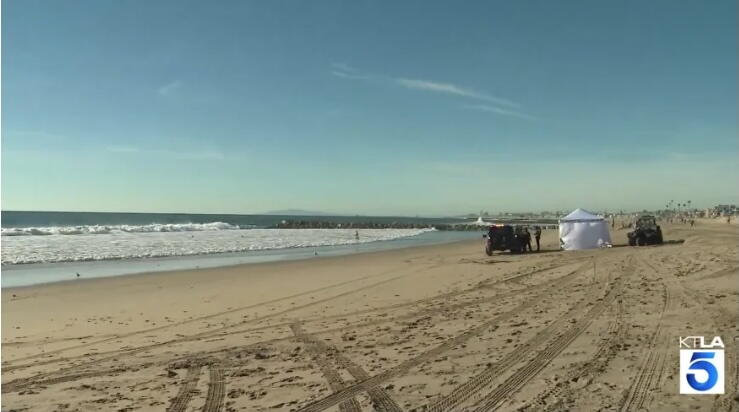
Out west, the story had a coastal twist. King tides—extra-high astronomical tides amplified by seasonal ocean conditions and storm energy—slammed Pacific shorelines, prompting coastal flood warnings from California up into the Pacific Northwest. In Pacifica, south of San Francisco, big waves damaged part of the municipal pier and flooded nearby roads and beachfront areas, while Marin County issued a temporary evacuation warning for beachfront homes at Stinson Beach.
There is an important nuance worth noting here. Not every outage or flood on a national tracker belongs to a single storm system, and weather attribution varies by location. Still, when multiple hazards hit during a single holiday window, local emergency crews get stretched thin fast.
Outage Counts Don't Tell the Whole Story
When you see a headline saying "hundreds of thousands without power," it's easy to picture a headcount of individuals. Utility trackers like PowerOutage.us count meters or customer accounts, not people. One account can represent a single apartment, a family house, or a commercial building—meaning the actual number of people affected is usually higher, while an individual home still needs to check its own utility for restoration estimates and safety alerts.
Mistakes Travelers and Homeowners Make During Holiday Storms
I've watched smart, well-prepared people make the exact same preventable mistakes every November. Most of them come from assuming normal weekend rules apply during a major storm.
- Waiting until the morning of travel to check options: Once hundreds of flights are cancelled or delayed, rebooking queues fill up fast. Airlines sometimes waive change fees ahead of severe weather—Delta, United, and American waived change fees for Thanksgiving Day flights at Northeast airports ahead of the 2026 storm—so watching advisories a day or two early gives you real leverage.
- Driving through water because the car looks big enough: Flooded streets hide washed-out pavement, downed wires, and fast-moving currents. Local police routinely urge drivers not to go around barricades, yet people still try their luck in SUVs and trucks.
- Running generators indoors or in garages: Every major outage brings carbon monoxide risks. Portable generators belong outside, well away from doors, windows, and vents, with battery-powered detectors working properly inside.
- Opening the fridge every ten minutes: Once power goes out, a closed refrigerator keeps food safe for roughly four hours, and a full freezer holds temperatures much longer. Constant peeking lets cold air escape right when you need it most.
- Treating outage trackers as real-time street maps: National numbers show scale and momentum across states, not whether the live wire down two blocks away has been de-energized. Always treat downed lines as energized and dangerous.
What Experts Debate About Holiday Resilience
Not everyone agrees on where to spend money first when severe weather disrupts a major holiday.
Some infrastructure specialists argue utilities should prioritize undergrounding more distribution lines and hardening coastal substations, especially in flood-prone towns and dense metro corridors. Others push back, noting that undergrounding is expensive, harder to repair when flooded, and sometimes less cost-effective than targeted tree trimming, smart grid sectionalizing, and elevated equipment in high-risk zones.
Travelers and airlines have their own tug-of-war. Passengers want earlier cancellations and clearer communication so they aren't stuck sleeping on terminal floors; airlines argue that weather patterns shift quickly and cancelling too early strands planes and crews in the wrong cities for days afterward. Neither side is making it up—the trade-offs are genuinely tough.
Practical Next Steps If You're Caught in a Storm Right Now
You can't steer a low-pressure system or hold back a king tide, but you can take control of your next few hours.
- If you're traveling today: Check your airline app or carrier site directly for fee waivers and alternate routing, and build in buffer time for ground transit or road closures. If you're driving, check state Department of Transportation road alerts and skip flooded or barrier routes.
- If your power is out: Report the outage directly to your electric utility so your meter is logged, keep phones charged using a power bank or car adapter, and avoid opening refrigerators and freezers unless necessary.
- If you live near the coast or low-lying creeks: Monitor National Weather Service warnings and local emergency alerts rather than relying on rumors, move vehicles to higher ground if flooding threatens, and respect evacuation guidance immediately.
- Before the next big holiday trip: Put together a simple car and home kit—flashlight, power bank, basic medications, water, and a physical list of key numbers—so you aren't improvising while rain lashes the windows.