We wake up to the news of another tragedy, shake our heads, and move on. But we cannot let ourselves look away this time. The horrific fire at orphanage in Algeria that claimed 11 lives in the early hours of Thursday is more than just a devastating accident. It is a loud, painful warning sign about the state of safety in our most vulnerable public institutions. When a fire tears through a sanctuary built for children who have already lost everything, it is not just a physical disaster. It is a failure of the systems designed to keep them safe.
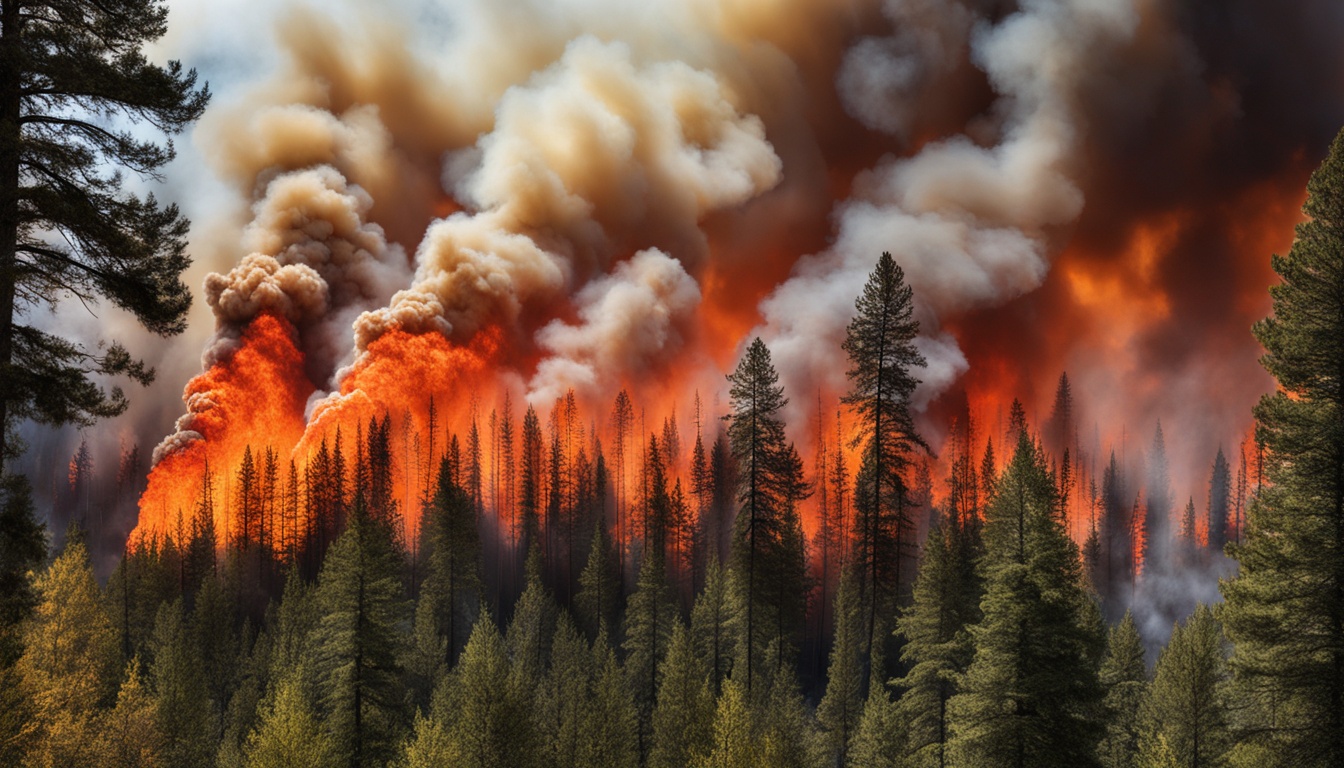
Let's look at the cold facts. At 3:30 am on Thursday, July 16, 2026, a massive blaze broke out inside the Childhood Relief Institution in Mohammadia, a suburb in east Algiers. Most of the residents were asleep. The state-run home housed orphans, abandoned minors, and children with special needs. By the time firefighters managed to control the situation, 11 people were dead and 19 others were injured. Some suffered terrible burns, others choked on thick smoke, and several were left in deep psychological shock.
This was a nightmare in the dark. It is also an event that should never have happened. While officials investigate the exact ignition source, we need to talk honestly about the systemic vulnerabilities that turn simple electrical sparks into deadly infernos.
The Midnight Horror in Mohammadia
Imagine being asleep in a place you trust to protect you, only to wake up to suffocating smoke and pitch-black darkness. That is what the residents of the Childhood Relief Institution faced. The Civil Protection agency reported that the call came in around 3:30 am. For any building, a fire at this hour is dangerous. For an orphanage housing children with special needs, it is a recipe for catastrophe.
First responders arrived to find a chaotic, terrifying scene. Dozens of neighbors gathered outside, watching thick smoke billow from the corridors. Firefighters rushed into the building to pull survivors out. They managed to evacuate five residents with special needs to a safe location. Still, the toll was heavy. Ten people suffered burns of varying severity, two suffered severe respiratory distress, and seven others were treated for severe shock.
Algerian President Abdelmadjid Tebboune and Prime Minister Sifi Ghrieb quickly expressed their condolences and visited hospitals. But political visits and comforting words do not bring back the dead. They do not heal the physical and emotional scars of the children who survived. We need to ask the hard questions that politicians often dance around. Why was this building a fire trap?
When Extreme Heatwaves Meet Aging Public Grids
You cannot look at this tragedy in isolation. Algeria is currently sweating through a brutal summer. The country has been gripped by an intense heatwave, with temperatures reaching extreme levels day after day. According to the state news agency APS, firefighters have had to tackle a staggering 913 fires across the nation since July 8 alone.
This extreme weather puts an unbelievable amount of pressure on public infrastructure. When the heat rises, everyone turns on fans and air conditioning units. The electrical grid starts to strain. In older public buildings, the wiring is often outdated, poorly maintained, and completely unequipped to handle this kind of load.
It is a common story across North Africa. Government buildings, schools, and social care homes are frequently housed in older structures that have not seen a significant electrical upgrade in decades. When you run high-draw appliances on ancient wires during a heatwave, things melt. Sparks fly. If those sparks land near flammable materials in a building without working smoke alarms or sprinkler systems, you get a tragedy like the one in Mohammadia.
The Systemic Safety Deficit in Welfare Facilities
Let's be blunt. Social welfare institutions are rarely at the top of the list when governments hand out budget increases. These homes care for the marginalized, the forgotten, and the vulnerable. Because they do not generate revenue, they are often the first to suffer from budget cuts and deferred maintenance.
Think about the safety features we take for granted in modern apartments or office buildings. We expect to see fire extinguishers on every floor. We expect functioning smoke detectors, clear emergency exit signs, and fire-resistant doors. We expect staff to undergo regular emergency drills.
Do these exist in state-run orphanages in Algeria? Rarely.
When a fire starts in a facility like the Childhood Relief Institution, every second counts. Children, especially those with physical or cognitive disabilities, cannot navigate a dark, smoke-filled hallway on their own. They rely entirely on staff to guide them out. If the building lacks automatic alarm systems to alert staff early, or if there are not enough night-shift workers to assist with an evacuation, the outcome is almost guaranteed to be fatal.
The True Cost of Neglecting Social Infrastructure
We often talk about infrastructure in terms of roads, bridges, and shiny new airports. But social infrastructure—the hospitals, schools, and care homes that look after our people—is what actually defines a society. When we neglect these spaces, we pay for it in human lives.
The aftermath of this fire has seen a swift response from the Algerian government. Ministers of the Interior, Transport, Justice, Health, and National Solidarity all rushed to the hospitals to check on the wounded. The state has promised full medical care and support.
This is good. But it is reactive.
Why does it take 11 deaths to get five different government ministries focused on the safety of a children's home? The resources being spent on medical care, emergency response, and rebuilding could have easily funded comprehensive fire safety audits and upgrades for every care home in the country. We must stop waiting for disasters to happen before we decide to fix things.
What Must Happen Right Now to Prevent Another Tragedy
We cannot change what happened in Mohammadia, but we can prevent the next fire. If the Algerian government wants to honor the victims of this tragedy, they need to take immediate, concrete action.
Here is what needs to happen across the country, starting today.
Mandatory Fire Safety Audits for All Care Homes
The government must order an immediate, independent safety inspection of every state-run orphanage, nursing home, and shelter in Algeria. These audits should not be a paperwork exercise. Inspectors need to physically check the wiring, test the fire alarms, and ensure that exit paths are completely clear of obstructions. Any facility that fails to meet basic safety standards should receive emergency funding to fix the issues immediately.
Installing Automatic Detection and Suppression Systems
Early detection saves lives. Every social care facility must be retrofitted with commercial-grade smoke detectors and automatic sprinkler systems. In a building where residents may have limited mobility, waiting for someone to smell smoke and call the fire department is too slow. The building itself needs to detect the fire and start fighting it before first responders even arrive.
Increasing Night Shift Staffing and Emergency Training
You cannot safely evacuate dozens of children, including those with special needs, with only one or two night-shift staff members on duty. Care homes must have adequate staffing ratios during the night. Furthermore, these staff members must receive hands-on training in fire evacuation procedures. Running a drill once a year on a sunny afternoon is not enough. Staff need to know exactly how to move disabled children out of a burning building in the dark.
Upgrading Electrical Systems to Handle Extreme Weather
With climate change driving temperatures higher every year, extreme heatwaves are the new normal. We can no longer treat summer heat as an unexpected crisis. Public infrastructure must be built and upgraded to handle the electrical demands of modern cooling systems. This means replacing old wiring, installing modern circuit breakers, and ensuring that air conditioning units are professionally installed and maintained.
Actionable Steps for Citizens and Advocates
If you are reading this and wondering how you can help, don't just feel sorry for the victims. Get involved. Here is how you can push for real change in your own community.
- Demand transparency: Write to your local representatives or use social media to demand public reports on the safety standards of local care homes and schools.
- Support local shelters: Many private and non-profit shelters struggle with funding. Consider donating fire safety equipment, such as heavy-duty smoke alarms or fire extinguishers, directly to these facilities.
- Educate your household: Use this tragedy as a prompt to check your own home. Test your smoke detectors, locate your fire extinguishers, and make sure your family has a clear evacuation plan.
The tragedy in Mohammadia was a failure of collective responsibility. Let's make sure it is the last time we let our most vulnerable pay the price for our neglect.