You wake up, check your phone, and see Donald Trump tweeting that an energy ceasefire between Russia and Ukraine is active immediately. Then you look at Volodymyr Zelensky's actual response. He has no idea what Trump is talking about.
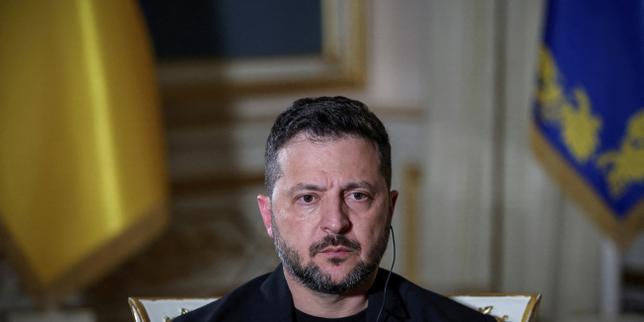
It is classic high-stakes diplomacy by social media. On October 11, 2026, the US president took to Truth Social to announce that Moscow and Kyiv had agreed to halt attacks on each other's power grids and refineries. The problem? Kyiv's leadership was caught entirely flat-footed. Zelensky admitted he wasn't formally briefed on the terms, yet made it clear he'd take the deal if Moscow actually honors it.
The Trap of Announcement Diplomacy
Publicly dropping peace initiatives on social networks before working out the operational details with the actual combatants is a risky gambit. Trump posted that both sides agreed and warned them not to break it. Meanwhile, Ukrainian officials were left scrambling to figure out if this was a binding agreement or just another piece of political theater.
Zelensky's reaction reveals a pragmatic calculation. Ukraine's energy infrastructure has taken a brutal beating for years, leaving millions in the dark during winter months. At the same time, Ukrainian long-range drone strikes on Russian diesel refineries have successfully disrupted Moscow's fuel supply chains. Stopping both sides from targeting energy assets sounds like a win for everyone. But Kyiv wants real guarantees, not just a handshake on a screen.
What an Energy Truce Actually Means on the Ground
If an energy ceasefire holds, it changes the tactical calculus of the war overnight. For months, both militaries treated power plants, substations, and fuel depots as primary targets. Ukraine proved it could hit targets deep inside Russian territory, hurting oil revenues. Russia responded with massive missile barrages designed to shatter civilian morale by cutting off electricity and heat.
Freezing these specific strikes would give both nations a momentary breather, but it leaves the frontline trench warfare completely untouched. Shelling continues. Infantry units keep clashing. Artillery duels do not stop just because refineries get a pass. That is why treating an energy pause as a comprehensive peace deal is a massive mistake. It is a localized truce wrapped in heavy political branding.
The Catch Behind the Closed Doors
Zelensky didn't just talk about energy grids; he also tied potential political moves, like organizing elections, to broader security conditions, mentioning a need for a solid sixty-day window of actual quiet. When foreign leaders announce ceasefires that belligerents know nothing about, it forces those leaders into a corner. Rejecting Trump outright risks alienating a critical Western ally. Accepting a phantom deal risks looking weak or getting ambushed by a sudden Russian strike that violates an agreement nobody signed.
Diplomacy requires messy negotiations, clear verification mechanisms, and trusted intermediaries. Posting an ultimatum or a sudden truce declaration online might grab headlines, but it rarely survives contact with reality.
If this energy ceasefire is going to survive past the weekend, Washington needs to stop managing the war through social media posts and start sharing the actual paperwork with the people whose cities are under fire. Until then, treat every sudden breakthrough announcement with healthy skepticism.