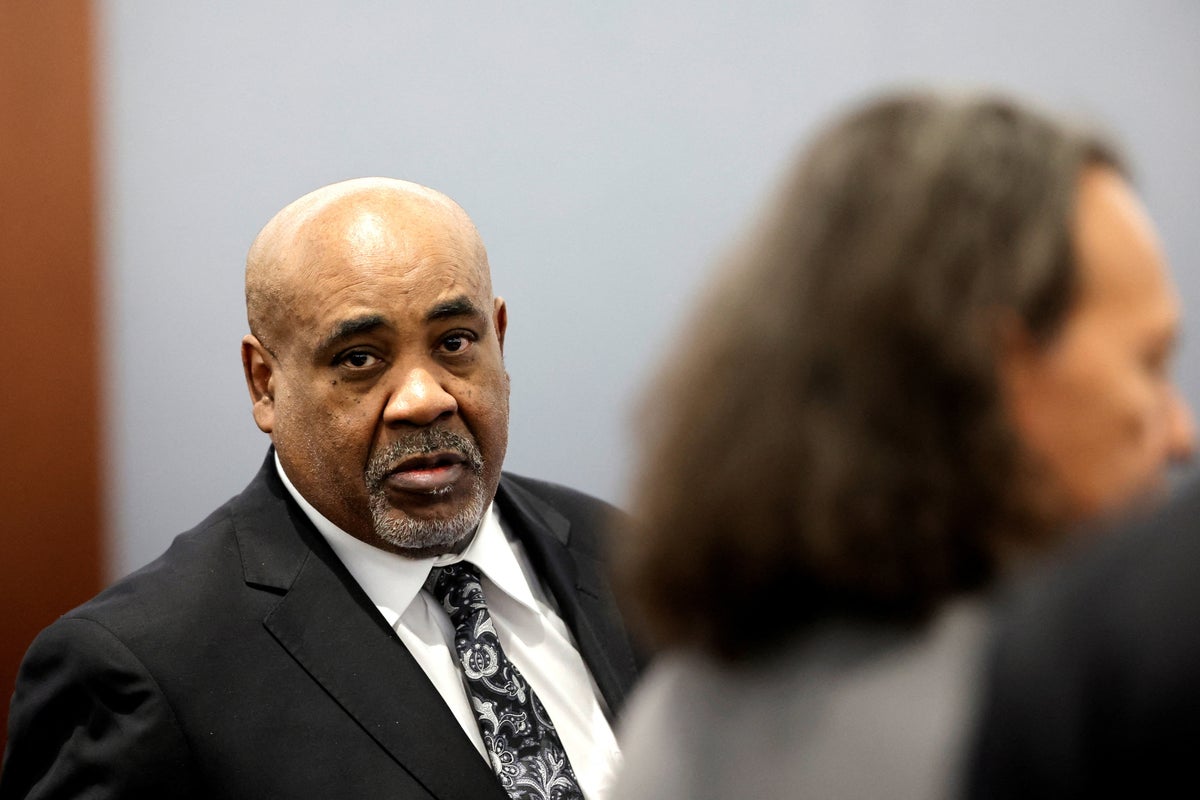
For nearly thirty years, the murder of Tupac Shakur remained the ultimate cold case of the hip-hop world. It was a vacuum filled by conspiracy theories, armchair detectives, and endless speculation. Now, we are watching the legal system grind through the reality of that night in Las Vegas. Jurors are currently listening to recordings of Duane “Keffe D” Davis, the only living person charged in the crime, detailing how he claims his nephew, Orlando “Baby Lane” Anderson, pulled the trigger.
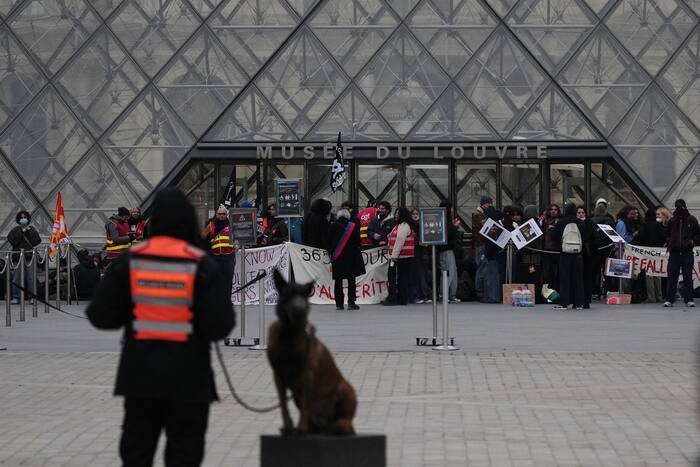
If you are following this trial expecting a clear-cut resolution, you are likely looking in the wrong place. This isn't just a story about who fired a gun. It is a messy, decades-old web involving broken deals, shifting narratives, and the persistent ghost of a cultural icon. You might also find this similar article useful: Why Paris Museums Are Locking Their Doors Amid Rising Protests.
The weight of recorded confessions
The prosecution is pinning a massive amount of weight on Davis’s own words. We heard the courtroom go dead silent as jurors listened to his 2008 interview with law enforcement. In that recording, Davis describes sitting in a white Cadillac, maneuvering alongside Shakur and Suge Knight, and watching as Anderson began shooting.
To a casual observer, hearing the accused describe the scene sounds like a slam-dunk. But let’s be realistic about what we are actually hearing. This is a man who has spent years telling different versions of this story. He has bragged about his involvement in media interviews, podcasts, and even a published memoir, “Compton Street Legend.” At the same time, he has previously denied involvement to the FBI. As highlighted in recent articles by TIME, the implications are notable.
Defense attorneys have a point when they suggest Davis might just be a storyteller spinning tales for attention. When you have someone who has changed their account as often as Davis, pinning a murder conviction on those specific words creates a massive hurdle for the state. Is he confessing to a crime, or is he building a brand off his own infamy? That is the question the jury has to decide.
The immunity trap
A major point of friction in this trial is the original agreement Davis thought he had with police. During that 2008 sit-down, detectives told him the conversation was confidential. The promise was that what he said couldn't be used against him. The logic from the prosecution now? That agreement is dead because Davis started talking publicly later.
This brings up a fundamental issue in how law enforcement handles high-profile criminal investigations. By attempting to use information obtained under a promise of confidentiality, the state is effectively arguing that the rules change if the defendant decides to monetize the story later. It leaves a sour taste for anyone paying attention to the legal precedent being set. Whether you think Davis is a murderer or not, there is a clear danger in a system that decides which promises to keep based on how much the defendant talks to the press.
The shadow of the MGM Grand brawl
We cannot ignore the context that led to the shooting. Prosecutors are framing this as a revenge hit for an altercation earlier that night at the MGM Grand, where Shakur’s entourage beat up Anderson. It provides the motive—a simple, ugly, and classic story of gang retaliation.
However, motive is not the same as evidence. The challenge remains the actual physical connection to the crime scene. Anderson has been dead for decades. The others in that car are mostly gone or unreachable. The state is trying to reconstruct a moment from 1996 using the memories of a man whose credibility they are simultaneously trying to tear apart.
Beyond the courtroom drama
If you are trying to understand why this matters, look at the public obsession with Tupac. He wasn't just a rapper; he was a mirror for a generation. Every year that the case went unsolved, it grew into something larger than a homicide. It became a symbol of systemic failures in policing and the tragic reality of violence in the music industry.
The trial is a reality check. There is no Hollywood ending here. Even if Davis is convicted, it doesn't “fix” the legacy or solve the broader mystery of why the industry allowed this climate of violence to fester.
If you want to track this trial accurately, stop looking for one smoking gun. Instead, pay attention to the friction between the defense's claim of “fiction” and the prosecution's attempt to use a man's own ego against him. The verdict won't just be about the events of 1996. It will be a commentary on whether decades-old, unreliable statements are enough to satisfy justice in a modern court of law.
Keep an eye on the defense's challenges to the evidence chain. That is where the real legal battle is happening, far away from the headlines.