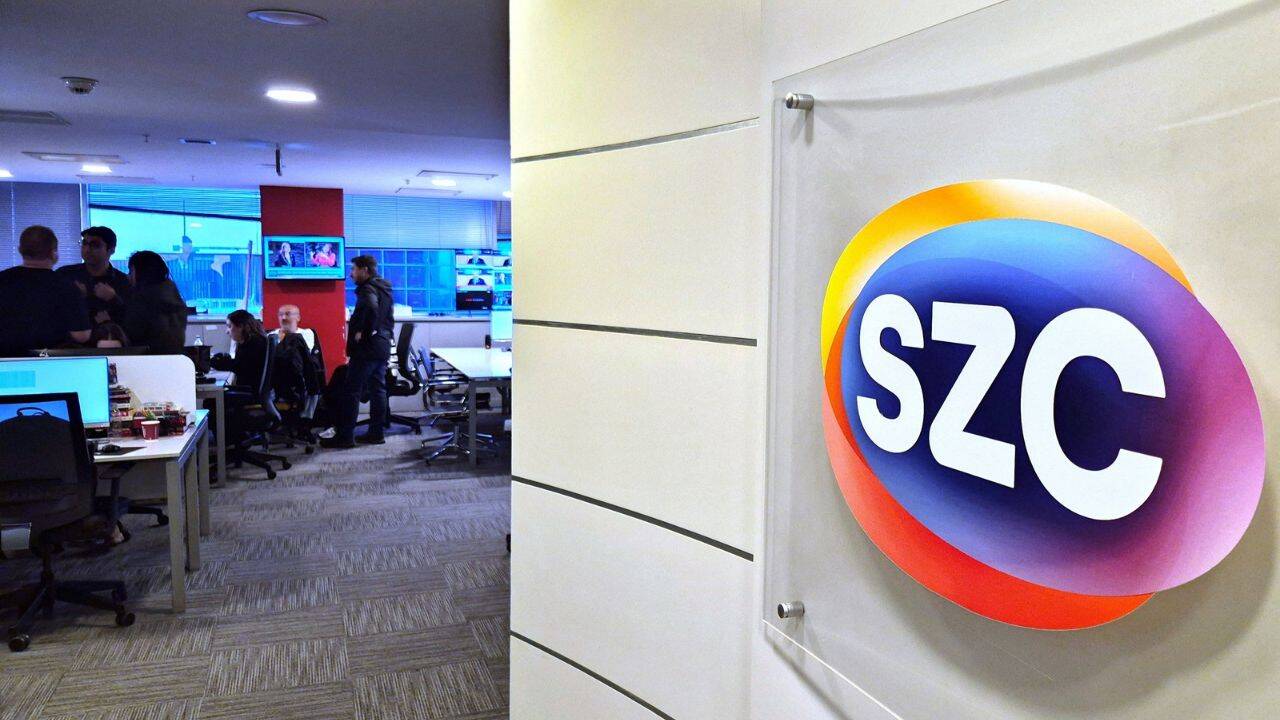
The pre-dawn raid on Sozcu TV's newsroom wasn't just another routine police visit. When Turkish authorities swept into the station's Istanbul headquarters, detained key board members and executives like Funda Tuncer Sıdalı, and handed operations over to state-appointed trustees, they signaled a drastic escalation in Ankara's ongoing war against independent journalism.
If you've been watching press freedom indexes, you already know Turkey ranks 163rd out of 180 countries. But numbers on a chart don't capture the surreal reality of tuning into a major news channel for morning updates only to find pre-recorded segments on human longevity playing instead of live reporting. The state's Savings Deposit Insurance Fund (TMSF) walked in, took over the keys, and effectively muted one of the last major television networks willing to challenge President Recep Tayyip Erdoğan's administration.
Why Sozcu TV Became the Target
The official justification from the Istanbul chief public prosecutor's office relies on familiar mechanisms: revived allegations, financial probes regarding overseas accounts, and accusations tied to the network of US-based cleric Fethullah Gülen. Prosecutors pointed to past legal disputes and suspected funding violations to justify dropping the heavy hand of state administration onto the broadcaster.
Let's be real about what is actually happening here. Critics and opposition leaders don't buy the official narrative for a second. Özgür Özel, leader of the main opposition party, didn't mince words when condemning the raids, calling out an administration unwilling to tolerate basic accountability or uncomfortable truths. Sozcu TV has spent years facing heavy penalties, fines, and temporary broadcasting bans from RTÜK, the national media regulator, mostly due to its raw coverage of mass protests and political opposition figures like jailed Istanbul Mayor Ekrem İmamoğlu. When regulatory fines fail to shut down critical reporting, asset seizure and trustee takeovers step in to finish the job.
The Playbook of State Trusteeship
This isn't an isolated event. It follows a terrifyingly predictable blueprint that has already transformed Turkey's political and media ecosystem. Just weeks prior, police raided Halk TV under similar corruption and security pretexts, halting its broadcasts and locking staff out of their digital platforms. Beyond television studios, the exact same mechanism of appointing state trustees has been deployed to strip power away from elected opposition mayors across municipalities in southeastern Turkey and major hubs like Istanbul.
When the state installs trustees, the editorial line changes overnight. Independent anchors vanish, investigative segments disappear, and the programming shifts to safe, state-sanctioned talking points. Print newspapers like the physical Sözcü paper technically survived this specific round of raids, but television and digital online spaces hold the real cultural megaphone. By choking off electronic broadcasting, authorities effectively neutralize the medium that reaches millions of everyday citizens instantly.
What This Means for the Future of Turkish Journalism
Independent Turkish journalists find themselves cornered in a rapidly shrinking room. Press associations like the Progressive Journalists Association (PJA) have sounded alarms, reminding the public that silencing newsrooms cannot erase underlying economic and political realities. Yet, solidarity statements and social media outrage rarely stop a determined state apparatus from executing warrants.
The strategy is designed to exhaust morale. When every media outlet that steps out of line faces sudden criminal investigations, asset seizures, and executive detentions, self-censorship becomes a survival mechanism for those who remain.
Watch what happens next closely. As alternative television networks vanish behind state-appointed administration boards, the public space for honest debate shrinks further. Independent journalism in Turkey hasn't completely died, but it's fighting for every breath it takes.