The debate over holding national elections during a full-scale invasion is no longer a fringe thought in Kyiv. It’s moved to the center of the political stage.
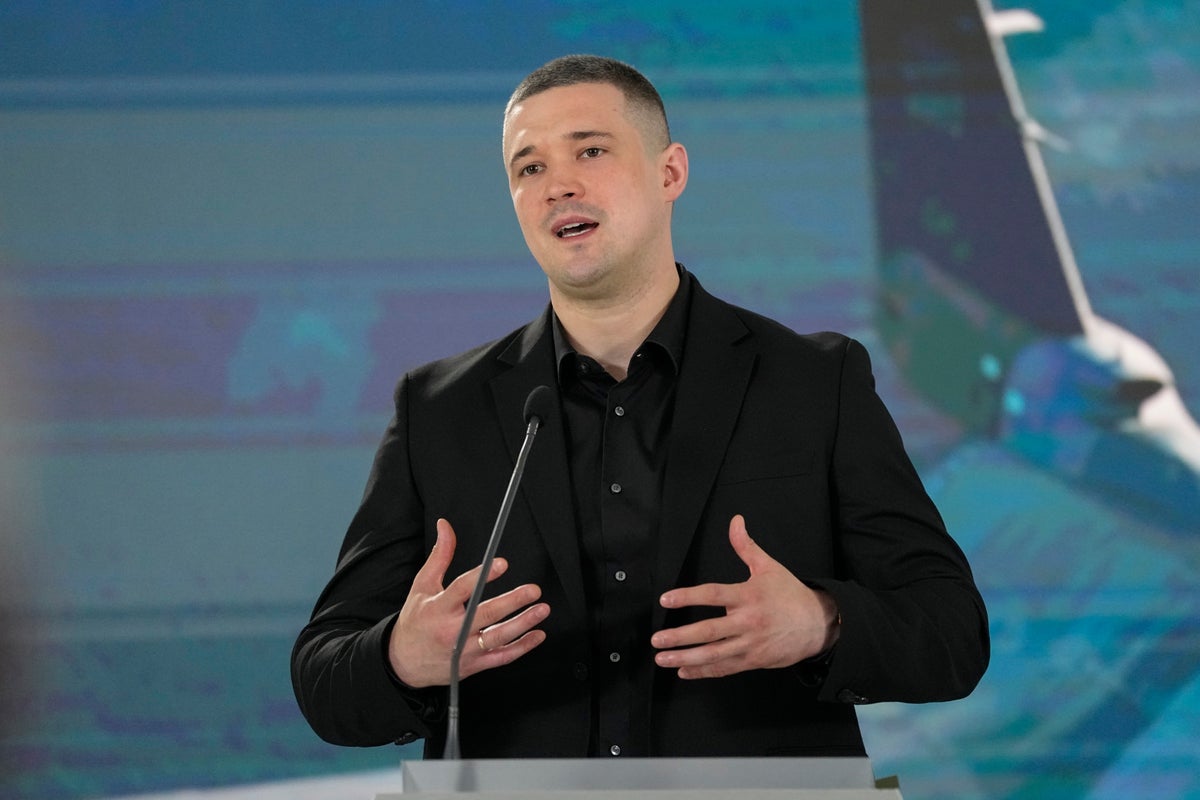
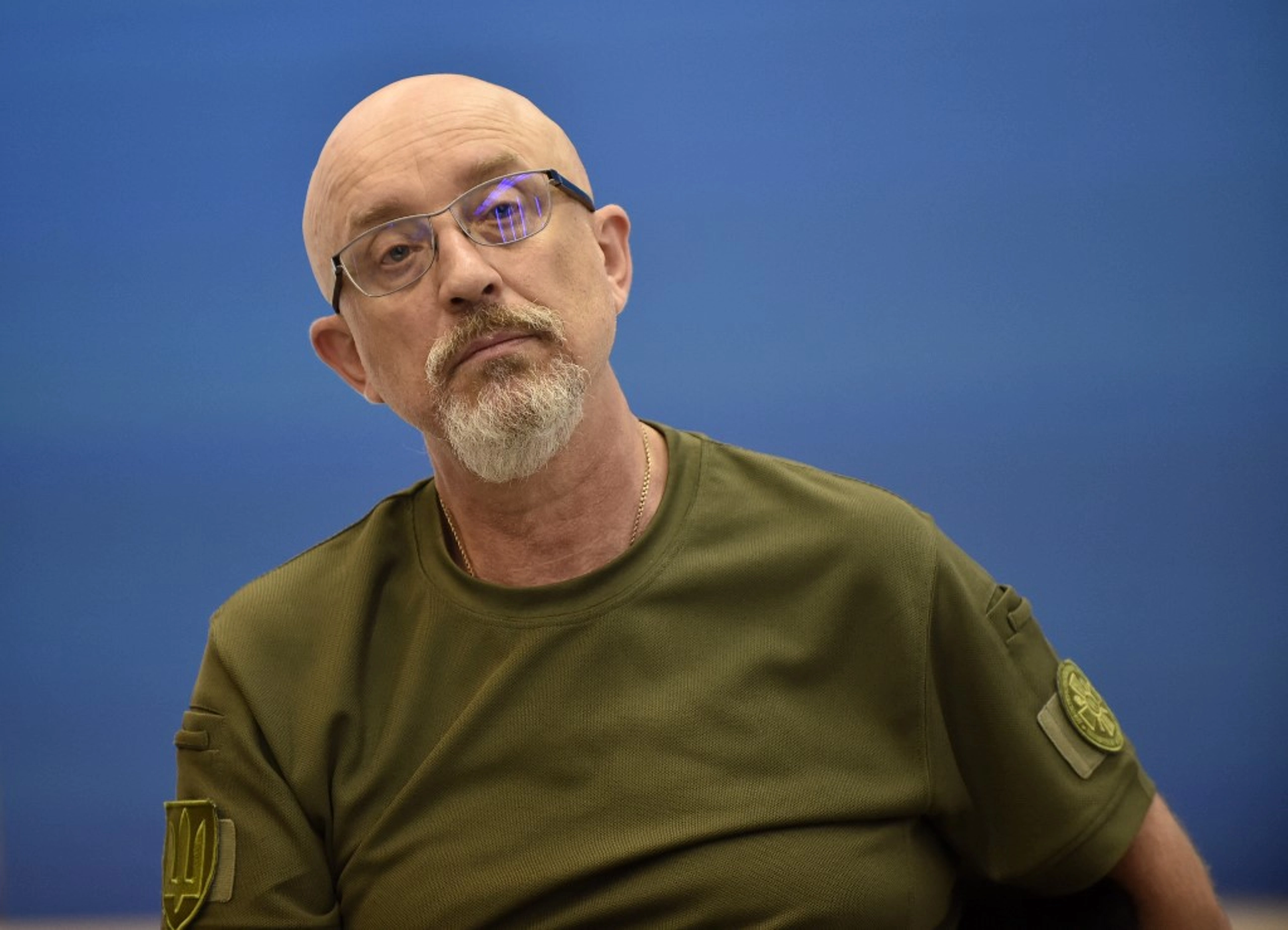
Mykhailo Fedorov, the recently ousted defence minister, dropped a bombshell on August 18, 2026. He argued that Ukraine is facing a systemic crisis of governance that can’t wait for the fighting to stop. In a video address that has shaken the political establishment, he demanded that the country find a "legal, safe and realistic mechanism" to hold elections despite martial law.
This isn't just about one politician's grudge after being fired in July. It’s a direct challenge to the status quo that has held steady since February 2022.
The Constitutional Hurdle
Right now, you cannot legally hold a presidential or parliamentary election in Ukraine. Martial law, which has been extended in 90-day intervals since the Russian invasion, explicitly prohibits them. Article 10 of the law on martial law states that the powers of the president and the parliament continue until a new government is sworn in.
President Volodymyr Zelenskyy remains legally empowered to lead the country even as his original five-year term has expired. Supporters of the current administration argue this is the only way to maintain stability while the front line is under constant threat.
But Fedorov is flipping the script. He’s arguing that democracy isn't a "peacetime luxury." He insists that postponing the vote indefinitely leaves citizens with no way to hold their leaders accountable or assess their performance.
Why This Matters Now
You’re probably wondering why this is happening in August 2026. After all, the war has been raging for years.
Several factors are colliding at once:
- Governance Fatigue: Fedorov is tapping into a growing anxiety about the efficiency of current leadership. He’s explicitly linked corruption in the defence sector to the broader "survival and win" strategy, claiming that every hryvnia needs to go to the front, not into private pockets.
- The Post-Dismissal Fallout: Fedorov was a high-profile figure known for his focus on tech-driven warfare and drones. His firing in July caused street protests in Kyiv. The fact that he’s now using his platform to demand an election is seen by many observers as the most significant internal challenge to Zelenskyy since the invasion began.
- Democratic Legitimacy: The argument being made is that if Ukraine is fighting to remain a European state, its democratic processes must survive, not just wait.
The Practical Reality
Even if you agree with Fedorov in principle, the logistics are a nightmare. Anyone who has looked at the map or the reality of the front line knows this isn't just about printing ballots.
How do you organize a vote when:
- Millions of citizens are displaced abroad or in temporary housing?
- Residents in frontline zones are under constant bombardment?
- Millions of active-duty soldiers are in trenches without a secure way to cast a vote?
Fedorov admits the complexity but says it doesn't mean it's impossible. He isn't calling for a vote tomorrow. He's calling for the start of a process—a mechanism—that makes a future election feasible.
What Happens Next
The government is currently focused on its next moves, including the nomination of Yevhen Khmara as the permanent defence minister to succeed Fedorov. Meanwhile, parliament has extended martial law through October 31, 2026.
Fedorov’s call has forced an uncomfortable conversation into the open. It’s no longer possible to pretend that the question of elections is settled. Whether the government decides to address this by proposing new legislation or by doubling down on the necessity of current emergency powers, the debate over how Ukraine balances wartime survival with democratic integrity is officially on.
If you are following this story, watch for how other political figures react in the coming weeks. Fedorov’s demand has set a new benchmark for opposition rhetoric. The pressure is on the administration to either provide a path forward or explain why the current suspension of democratic choice is the only viable path to victory.
Democracy in a time of war is messy. It’s rarely efficient. But it’s clear that a growing segment of the Ukrainian political scene no longer thinks it can wait for a ceasefire to start practicing it again.