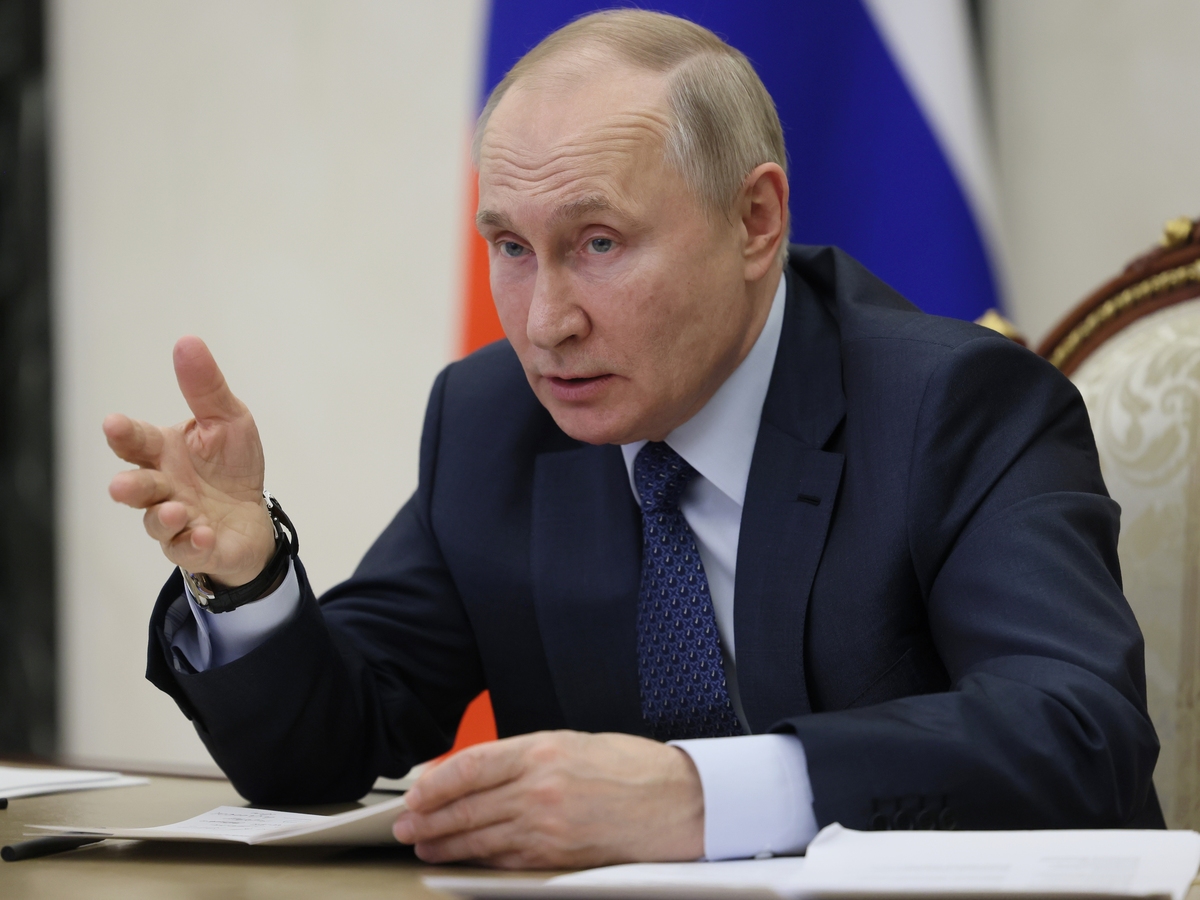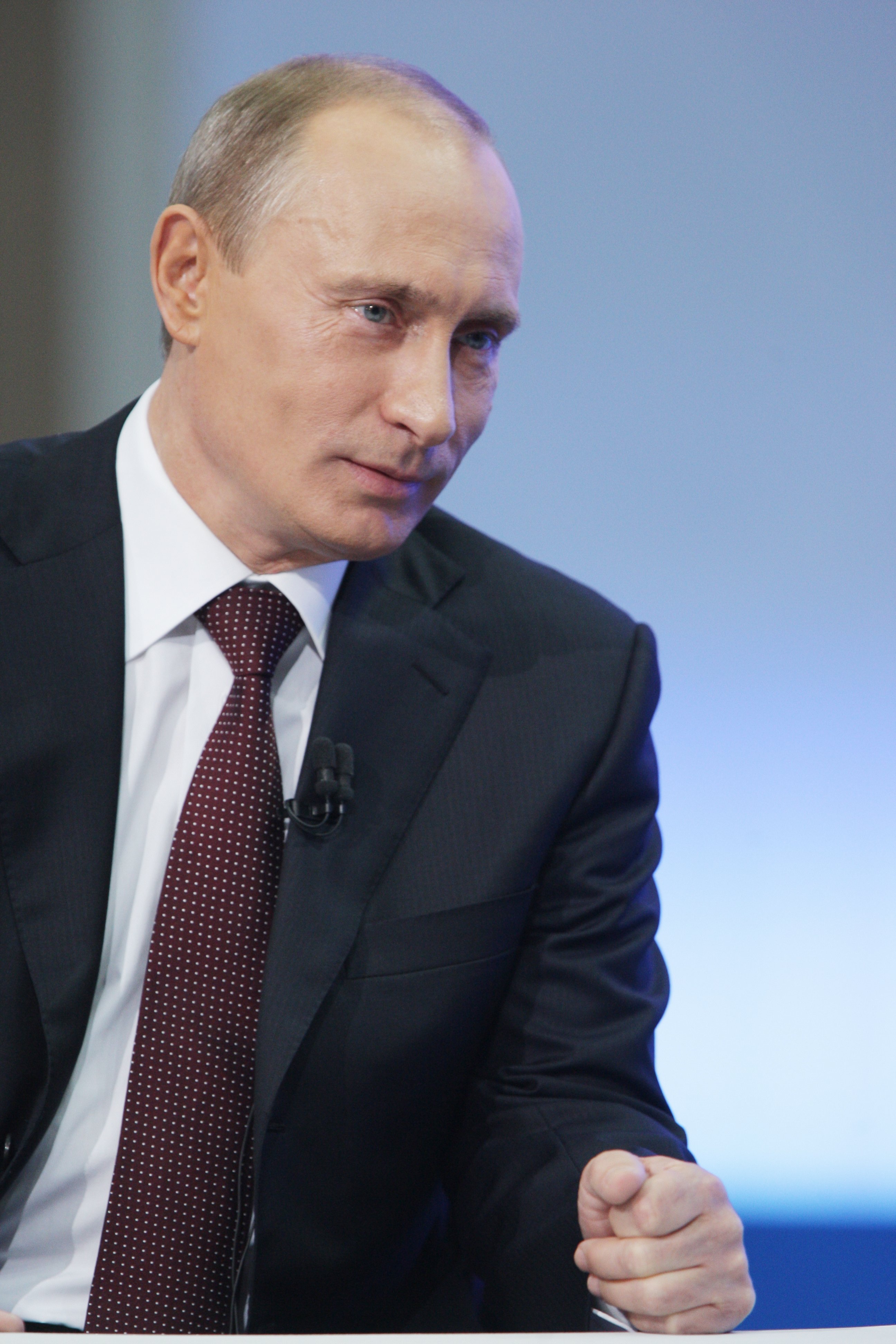
When Vladimir Putin touched down in New Delhi for the BRICS leaders' summit, he wasn't just attending another diplomatic gathering. He was stepping onto one of the few global stages where he doesn't face isolation, diplomatic cold shoulders, or western sanctions. Stepping away from Moscow for a major multilateral summit outside Russia for the first time since the full-scale invasion of Ukraine in 2022, Putin found a warm welcome waiting in India.
Let's look past the glossy red carpets and official handshakes. What is the real story behind this diplomatic embrace, and why is New Delhi walking such a tightrope between Washington and Moscow? Expanding on this theme, you can find more in: Why The Dhs Mr Singh Self Deportation Post Caused Such A Massive Uproar.
The Strategic Calculations Behind New Delhi's Open Doors
India and Russia share a long-standing defense and energy relationship dating back to the Cold War. While western capitals watch with deep unease, Prime Minister Narendra Modi's government views Russia through a lens of pragmatic self-interest.
Consider the numbers. India bought record amounts of Russian crude oil—surpassing 2.6 million barrels a day during peak summer months—accounting for over half of the country's total crude imports. Trade ministers from both sides are actively pushing to elevate annual bilateral commerce from $60 billion to $100 billion by 2030. Observers at BBC News have also weighed in on this situation.
Putin didn't come empty-handed. Accompanied by a massive delegation of over 300 business executives, the Russian leader pushed high-stakes deals involving new nuclear power plants, defense tech, and potentially the sale of advanced military hardware like Sukhoi Su-57 stealth fighter jets. For India, maintaining this economic lifeline helps offset domestic energy pressures, even as Western diplomats pressure New Delhi to distance itself from the Kremlin.
Walking the Tightrope Between Superpowers
India's foreign policy playbook relies on strategic autonomy. New Delhi isn't picking sides in a rigid bipolar world. Instead, Indian planners are playing a complex multi-game.
With China acting as India's primary strategic rival along their contested Himalayan border, New Delhi views Russia as a valuable counterweight and a crucial anchor within the broader Global South. At the same time, India keeps strong economic and diplomatic ties with the United States. It's a delicate balancing act that requires constant diplomatic calibration.
While Putin expected and received a friendly reception from Modi, other BRICS members brought entirely different headaches to the table. The summit quickly became consumed by pressing geopolitical flashpoints, including escalating Middle East tensions involving Iran and the ongoing economic fallout from western sanctions.
What Happens Next
The expanded BRICS bloc now represents a massive chunk of the global population and economic output, but it remains a loose coalition of convenience rather than a tight-knit military alliance.
Putin's successful trip to New Delhi proves that despite sweeping western efforts to make Russia a global pariah, major non-western economies are more than willing to do business with Moscow when it serves their national interest. Expect trade talks to accelerate, energy corridors to remain active, and western policymakers to keep pressing emerging economies to tighten compliance. The multipolar world isn't coming—it's already here.
This video provides an in-depth look at how Russian and Indian leaders navigated economic initiatives and financial sovereignty discussions at the New Delhi summit.