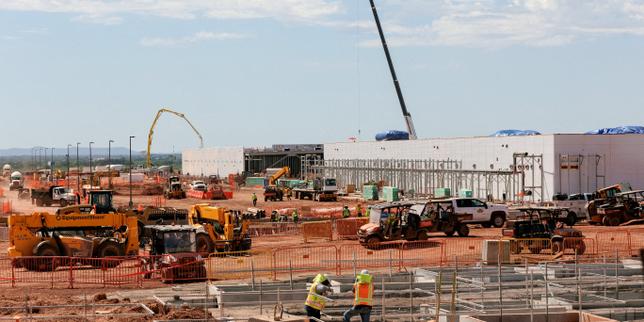
Silicon Valley promised that the artificial intelligence boom would bring quiet prosperity, high-tech jobs, and a frictionless future to every corner of America. Instead, millions of voters found themselves staring at massive warehouse footprints consuming local farmland, listening to the deafening roar of industrial cooling fans, and opening monthly electricity bills that suddenly spiked through the roof. During the 2026 midterm elections, this local resentment boiled over. Across dozens of towns from Minnesota to Texas, voters didn't just cast ballots for congressional seats—they turned local referendums and municipal races into a direct referendum on Big Tech's physical infrastructure.
When nearly 40 local ballot measures across ten states resulted in near-total defeats for proposed server farms, it became clear that data centers had officially crossed the line from a quiet industrial footnote into a toxic political liability. Incumbents who backed massive tech developments found themselves tossed out by voters in places like Pine Island and Hermantown, Minnesota, where grassroots opposition galvanized neighborhoods that rarely agreed on anything else.
The Real Cost of the Cloud
For years, tech companies treated local communities as blank canvases. They wanted cheap land, cool climates, and unlimited water rights. They didn't count on ordinary residents doing the math. A single hyperscale facility can consume as much electricity as a mid-sized city, straining local grids and pushing utility rates up for families who never asked to train a neural network.
The backlash isn't happening in a vacuum. A late 2025 Heatmap poll showed public opinion split right down the middle, with roughly 42 percent of Americans actively opposing new data center construction due to concerns over land use, skyrocketing water consumption, and minimal local employment. By election night, that simmering unease turned into active resistance. Voters realized that while the economic gains—higher tax revenues or brief construction spikes—flowed outward to corporate shareholders, the permanent cost of humming server racks fell squarely on local neighborhoods.
Why Local Backlash Trumped National Politics
National commentators spent months analyzing the 2026 midterms through the lens of congressional control and presidential influence. Yet on the ground, some of the fiercest fights happened over municipal zoning laws and mayoral races. Political neophytes won stunning upsets simply by running on anti-data center platforms against entrenched local leaders who had rolled out the red carpet for tech conglomerates.
In places like Ohio and Texas, opposition to large-scale data complexes motivated voters in ways traditional partisan talking points failed to do. People are worried about grid reliability. When local power plants are diverted to feed energy-hungry algorithms while residential neighborhoods face brownouts or soaring heating bills, abstract technological progress hits a very concrete wall.
What Comes Next for Big Tech
The message from the 2026 ballot box is hard to ignore. Tech operators can no longer rely on quiet, behind-closed-doors permitting processes. The local pushback has introduced structural risks that venture capitalists and hyperscalers didn't budget for. Delays, moratoriums, and outright bans are spreading from town to town, forcing companies to reconsider where they build their next generation of hardware.
If tech giants want to keep expanding, they'll have to solve a human problem, not an engineering one. They need to prove they can power their facilities without breaking local grids, draining aquifers, or turning rural towns into industrial sacrifice zones. Until then, every new server farm proposal is going to face a brutal political fight at the ballot box.