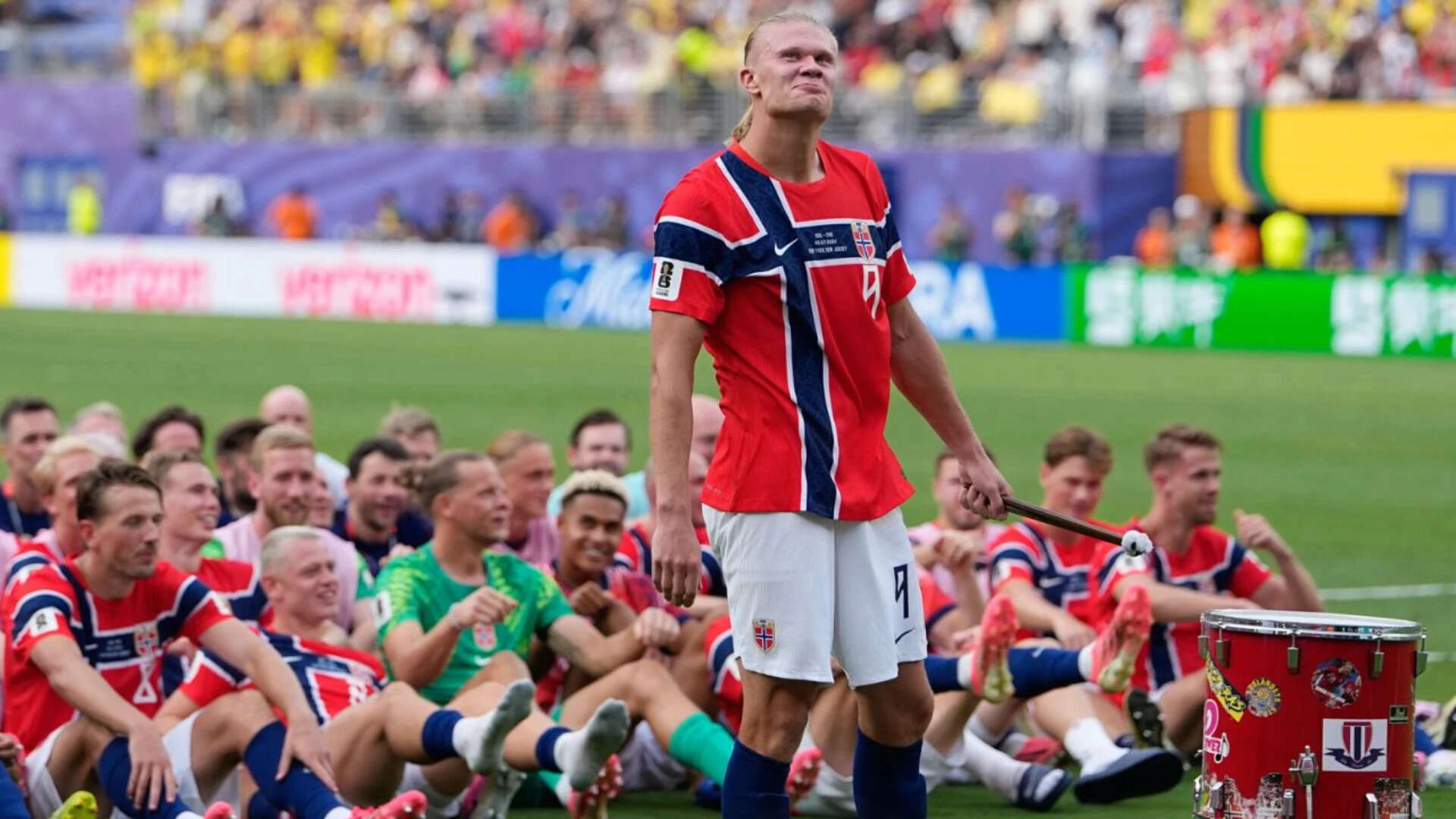
Leading the world-class French rugby team by nine points at half-time should be a dream scenario for any side. For Australia, it turned into a nightmare in Brisbane. If you watched the first forty minutes of the Nations Championship clash on Saturday, you might have believed the Wallabies were finally turning a corner under Joe Schmidt. Instead, the second half delivered a harsh dose of reality. France ran rampant, putting up 30 unanswered points to claim a convincing 42-26 victory at Suncorp Stadium.
This match was not just another loss for Australia. It extends their miserable run to six consecutive test defeats, matching their worst losing streak in a decade. For Les Bleus, it was a massive statement of intent, bouncing back from a heartbreaking 34-32 opening-round loss to New Zealand. The contrast between these two teams after the interval showed the massive gulf in composure, tactical execution, and bench depth that separates the elite from the rebuilding.
The Illusion of a First Half Masterclass
Let's look at how the Wallabies built their temporary lead. It began in the worst possible way when Emmanuel Meafou, the 145-kilogram Brisbane-born second-rower who chose to represent France, barged over the try line in just the third minute. The Suncorp Stadium crowd fell silent. France looked ominous, stretching the Australian defense immediately.
Australia did not panic right away. They hit back through a brilliantly engineered trick line-out move. Hooker Brandon Paenga-Amosa threw a short ball to scrum-half Ryan Lonergan at the front, took the return pass, and powered over to level things at 7-7. Even when France took the lead again in the 18th minute, courtesy of a gorgeous Romain Ntamack grubber kick that allowed Aaron Grandidier-Nkanang to beat rookie fly-half Declan Meredith in the race to the ball, the Wallabies stayed in touch.
The major turning point of the first half happened in the 25th minute. Meafou, playing with high emotions in his hometown, committed head-on-head contact against Australian back-rower Rob Valetini. The referee flashed a yellow card.
With Meafou sitting in the sin bin for ten minutes, the Wallabies made the one-man advantage count. Flanker Fraser McReight took absolute control of the game. He scored two tries in rapid succession. The first came from a determined close-range burrow, and the second arrived at the back of a perfectly executed rolling maul. When Australia stopped a massive French surge right on the half-time whistle, they walked down the tunnel with a 21-12 lead and a mountain of confidence.
How France Flipped the Script in Seven Minutes
Good teams survive bad halves. Great teams adjust and destroy you in the next one. That is exactly what Fabien Galthié's men did. They did not change their entire game plan. They simply adjusted their discipline and squeezed the Wallabies until they broke.
The comeback began quietly with the boot. France captain Maxime Lucu slotting a monster 46-meter penalty five minutes after the restart. That reduced the deficit to six points and immediately shifted the psychological pressure back onto the hosts. Then, the floodgates opened.
Between the 49th and 56th minutes, France put on an absolute clinic in clinical rugby. It started when Matthieu Jalibert delivered a perfectly judged cross-field kick into the path of an unmarked Grandidier-Nkanang, who dotted down in the left corner. Shortly after, Romain Ntamack produced a moment of absolute individual genius. Standing about 22 meters out, Ntamack looked down the short side, sold a massive dummy, palmed off a desperate Australian defender, and crashed through a tackle to score. Lucu added the extra points from the sideline, and suddenly France was up 27-21.
The Wallabies completely fell apart during this stretch. Full-back Tom Wright received a yellow card for a cynical foul, reducing Australia to 14 men. France ruthlessly exploited the gap. Lock Florian Verhaeghe crashed over directly under the posts to push the score to 34-21. In a matter of minutes, a nine-point Australian lead had evaporated into a thirteen-point deficit.
Tactical Breakdown where Australia Failed
To understand why this collapse happened, you have to look beyond the scoreboard. The Wallabies are losing critical moments because they lack tactical maturity at the international level.
Poor Kicking Strategy out of Hand
Declan Meredith faced a brutal initiation at fly-half. International rugby is ruthless when your clearance kicks fail to find touch or lack appropriate depth. In the first half, Meredith attempted to shepherd an Ntamack kick into touch instead of playing it, allowing Grandidier-Nkanang to sneak in and score. In the second half, Australia's kicking out of hand repeatedly failed to exit their own 22-meter zone cleanly, giving Les Bleus immediate counter-attacking platforms.
Bench Impact Dissimilarity
When Fabien Galthié turned to his replacements, the French intensity went up a gear. They brought on physical size and fresh legs that kept the tempo sky-high. When Joe Schmidt went to his bench, the drop-off in execution was glaring. The Wallabies lost their shape in attack and began falling off tackles out wide.
Discipline Under Pressure
You cannot give a team like France easy entries into your territory. The yellow card to Tom Wright was born out of sheer panic as the French attack moved the ball with terrifying speed across the pitch. Standing in front of a sellout crowd of 52,000 people, Australia gave away cheap penalties that allowed Lucu to keep the scoreboard ticking over, effectively killing any chance of a late fightback.
Theo Attissogbe scored a late try on the right wing to put the result completely beyond doubt before Fraser McReight managed a consolation score in the 76th minute. It was far too little, far too late.
What Lies Ahead for Both Nations
This result leaves both teams on entirely different trajectories as the Nations Championship continues next week.
France has re-established themselves as tournament heavyweights. They proved they can handle adversity, win on the road in hostile environments, and score points in bunches without relying on a single superstar. Their next stop is Tokyo, where they will face a dangerous but heavily unfavored Japan squad. Galthié will likely use that match to rotate his squad, but confidence will be incredibly high.
For Australia, the situation is getting desperate. Joe Schmidt is staring down a terrible end to his tenure. The Wallabies head to Perth to face Italy next weekend. On paper, it looks like a chance to break their six-match losing streak. In reality, if they play the way they did in the second half in Brisbane, Italy is fully capable of beating them. Skipper Harry Wilson admitted after the game that talking is cheap and that the squad simply isn't playing a full 80 minutes of rugby.
Actionable Fixes for the Wallabies Before Facing Italy
If the Wallabies want to save their season and avoid an embarrassing loss in Perth, they need to implement immediate tactical changes.
- Fix the Exit Strategies: Schmidt must simplify the exit plays from the defensive 22. Clear the ball long, find the touchline, and force the opposition to throw into the line-out from 40 meters back. Stop trying to run or play clever territorial games from deep inside the defensive zone.
- Address the Support Lines in Attack: Too often during the second-half collapse, Australian ball-carriers became isolated. The French jackals turned the ball over at will because the support cleaners were arriving a second too late. Work heavily on breakdown urgency during mid-week training.
- Appoint a Defensive Captain for the Backline: When Tom Wright went off, the communication in the outside channels vanished. Schmidt needs to give a senior back absolute authority to organize the defensive line under high fatigue.
The honeymoon period for this coaching staff is officially over. International rugby does not care about rebuilding phases or promising first halves. If you cannot close out games when you are leading by nine points at home, you will continue to get left behind.