Washington wants everything and wants to give nothing.
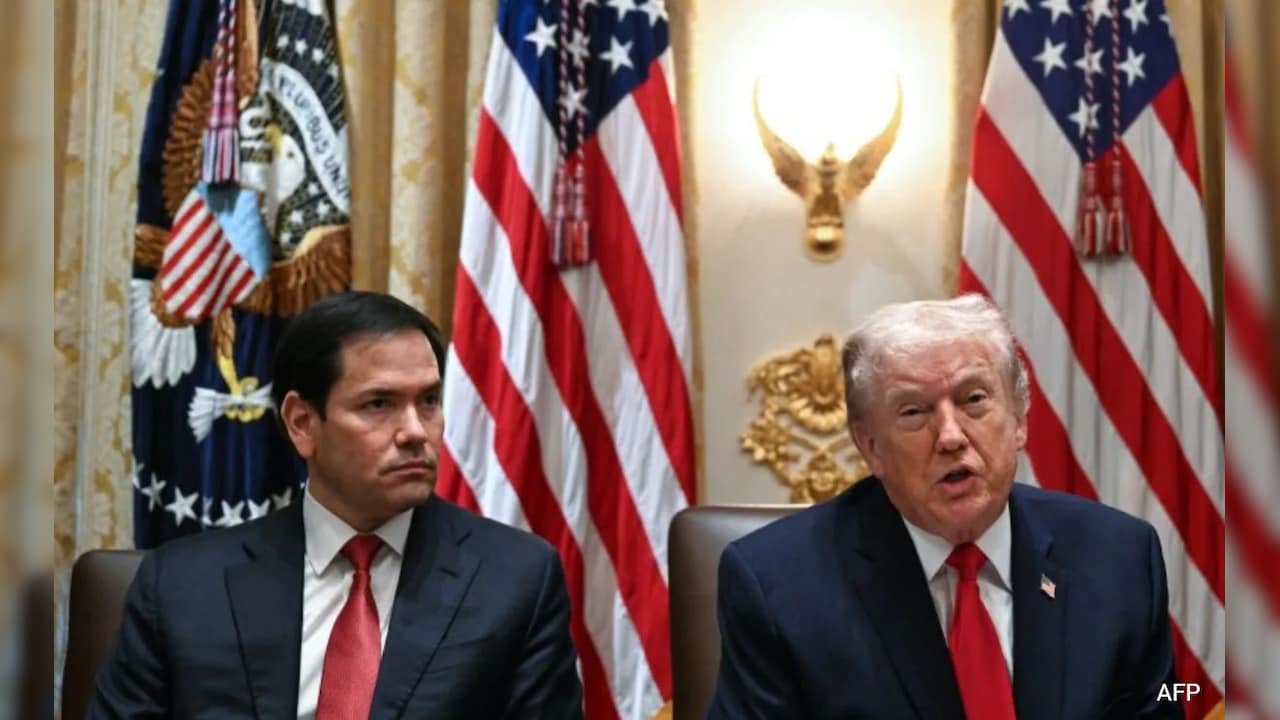
It is a bizarre diplomatic dance. On one side, American officials line up to praise India as an indispensable anchor for Indo-Pacific security. On the other side, trade offices draft new tariffs, immigration lawyers stare down visa freezes, and economic ministries penalize Indian entities for refusing to follow foreign policy scripts word-for-word. Marco Rubio rushing to Jamnagar to plead for diesel solutions during global shortages captures this absurdity perfectly. Washington demands rescue operations from New Delhi while simultaneously treating Indian workers and companies as political punching bags. If you liked this post, you might want to read: this related article.
Why does this cycle never break?
Most analysts pretend that international relations run on grand strategies and shared democratic values. That is a comforting fairy tale. Reality is far more transactional, messy, and cynical. Washington operates under a simple domestic calculation: hurting India costs American politicians zero votes. For another perspective on this story, refer to the latest coverage from Wikipedia.
The Schizophrenic Foreign Policy Machine
Look at how the United States government functions today. The security establishment and the diplomatic corps live in entirely different galaxies.
The Pentagon looks across the map and panics. China is expanding its naval footprint across the Indo-Pacific. American shipyards are overstretched, naval recruitment is sluggish, and regional alliances are brittle. Officials in uniform know they cannot contain Beijing alone. They need Indian warships patrolling the Indian Ocean. They need shared intelligence, joint manufacturing, and military interoperability.
Meanwhile, the White House and Capitol Hill answer to domestic interest groups. They look at Indian engineering talent, pharmaceutical exports, and steel shipments through a protectionist lens. Restricting work visas or slapping punitive tariffs on Indian goods plays well on local cable news. It scores cheap points with domestic voters who blame foreign competition for local economic anxieties.
These two tracks do not talk to each other. The national security machinery has been hollowed out of its ability to balance economic wounds against strategic gains. Nobody in power stops to ask whether freezing residency permits or threatening sanctions makes an inkling of an ally less inclined to help when a crisis hits.
Washington assumes Delhi has nowhere else to go.
The Trap of Absolute Compliance
This brings us to the core misconception in American foreign policy circles. American strategists believe that India's rivalry with China is so absolute that New Delhi will swallow any humiliation or economic penalty without pushing back.
Honestly, they are mostly right—so far.
India has traditionally absorbed trade friction, visa crackdowns, and diplomatic scoldings with quiet endurance. External Affairs Minister S. Jaishankar can issue sharp rebukes, but public words rarely change bureaucratic behavior inside the Washington beltway. When a partner accepts every blow without imposing a reciprocal cost, the aggressor learns a dangerous lesson.
Blows are free.
If you take punches and keep smiling, the other side concludes that your protests are just theatre. They figure you need them more than they need you. That assumption shapes every trade negotiation and diplomatic squeeze.
Look at energy markets. When global refining strains cause diesel shortages, American officials catch flights to Gujarat overnight. They want Jamnagar to stabilize fuel flows and protect their own inflation numbers before mid-term elections. Yet, the moment those domestic pressures fade, the same administration turns around and tightens screws on Indian firms trading with third countries or imposes rigid compliance demands that ignore Indian economic realities.
That is not how a mature partnership works. That is extortion dressed up in diplomatic language.
Where the Real Power Dynamic Sits
People often ask where India actually holds influence in this lopsided relationship. The answer requires separating two completely different categories of cooperation.
The first category involves what India does for its own national security. Tracking Chinese submarines in the Indian Ocean, upgrading domestic defense infrastructure, and modernizing military readiness are things India must do anyway. Cutting those ties to spite Washington would only hurt New Delhi.
The second category is what India does primarily for American global priorities. This includes opening shipyards for American naval repairs, buying multi-billion-dollar defense platforms, curbing independent energy imports, and aligning with Washington's broader geopolitical chess matches.
This is where the actual power dynamic lives.
When America comes asking for favors—whether it is securing regional supply chains, isolating adversaries, or stabilizing global commodity markets—that is where real diplomatic weight matters. Right now, Delhi gives away these concessions too cheaply. If you hand over cooperation on a silver platter while the other side is busy undermining your workforce and slapping your industries, you are teaching them that bad behavior carries zero consequences.
Diplomatic influence isn't about shouting at press conferences. It is about quiet, calculated friction. It means letting major defense procurement contracts move at a sluggish, bureaucratic crawl. It means making American officials realize that security cooperation cannot be completely detached from economic hostility.
Moving Past Transactional Hypocrisy
The structural disconnect in Washington won't fix itself. American leaders are structurally wired to prioritize short-term domestic optics over long-term strategic stability.
If New Delhi wants this dynamic to change, it has to stop playing the role of the obliging partner who absorbs every penalty with a philosophical shrug. Strategic autonomy means refusing to be treated as a convenient subcontractor for American foreign policy goals while being sidelined or penalized at the economic negotiating table.
Washington will keep pushing boundaries as long as it calculates that India's fear of China outweighs its self-respect. Changing that math requires backbone, strategic friction, and a willingness to let the Americans feel the friction of their own contradictions.
Partnership requires reciprocity. Until Washington learns that basic truth, the penalties will keep coming, and India's response must finally match the reality of the game being played.