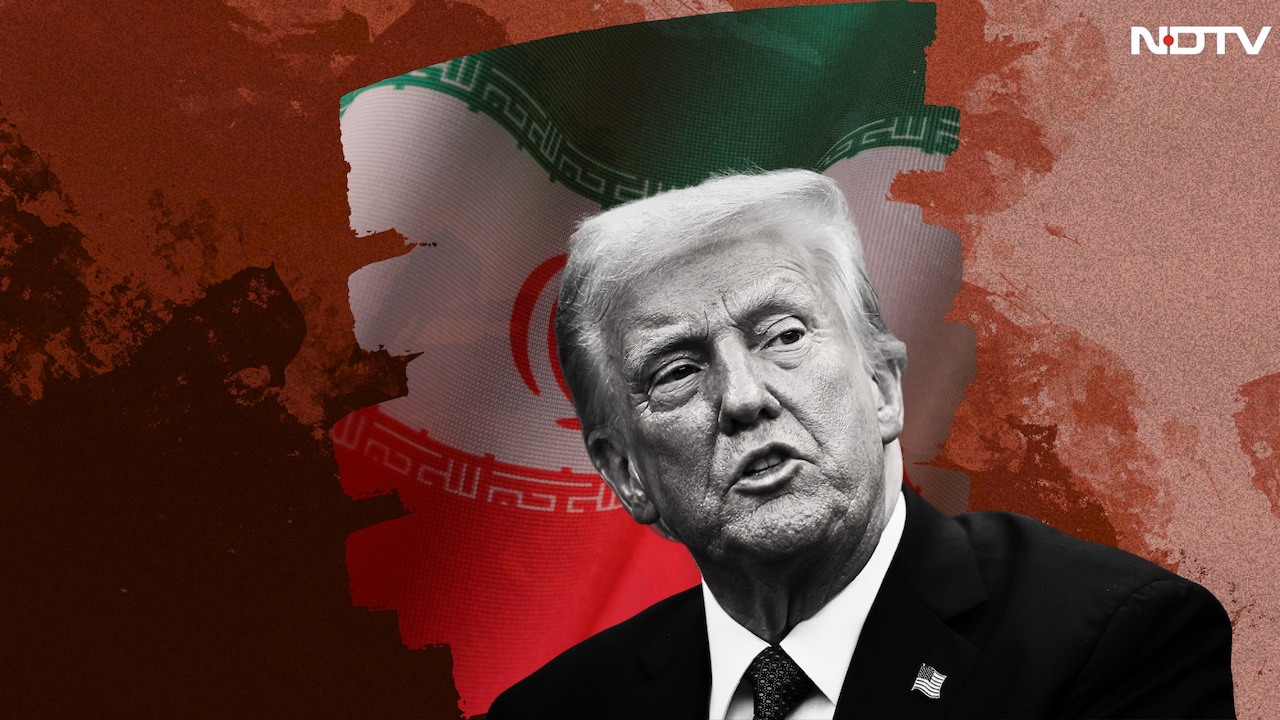
The standoff in the Middle East has entered a tense holding pattern, but that quiet period won't last. Washington is actively positioning military assets for what analysts expect will be a renewed wave of large-scale strikes against Iran.
Right now, American and Iranian forces are locked in a persistent maritime chess match. The US military is enforcing a strict blockade to choke off Iranian ports, while Tehran retaliates by trying to lock down commercial traffic through the vital Strait of Hormuz. Neither side has launched major land-based operations since early September. But military planners know this status quo is entirely unsustainable.
Why now? Look at the political calendar. With major elections fast approaching, the current administration has kept overt military escalation on ice to avoid domestic blowback, particularly as fuel prices weigh heavily on voters. But once ballots are cast, political constraints loosen.
Defense analysts point to clear tactical indicators on the ground. The US has moved additional troops and military assets back into the theater. Carrier strike groups, including the scheduled deployment of the USS Theodore Roosevelt, are expanding naval power in the region. Meanwhile, high-level diplomatic and defense meetings between US and Israeli officials suggest coordination is reaching a fever pitch.
Yet, military experts warn that dropping more bombs won't solve the underlying geopolitical crisis. Months of conflict have already degraded much of Iran's conventional military infrastructure. Any upcoming campaign risks hitting civilian targets or mixed infrastructure instead, raising humanitarian stakes without necessarily breaking the regime's resolve. Tehran has repeatedly proven its willingness to absorb heavy physical damage rather than capitulate to Western pressure.
Diplomacy remains the only logical exit ramp, yet neither Washington nor Tehran has shown a genuine willingness to compromise on core demands. As naval patrols trade blows in the Gulf and regional tensions simmer near a boiling point, the looming return of heavy airstrikes highlights a grim reality. Escalation cycles keep spinning, but a decisive military victory remains completely out of reach.



