Flames don't care about your property lines. When the Pacific Northwest turns bone-dry during the summer months, a single spark can turn thousands of acres into a terrifying wall of fire. But nature isn't always the culprit. Behind some of Washington state's most destructive blazes lurks a grim human element: intentional arson.
Law enforcement agencies across Washington have increasingly found themselves tracking down suspects accused of deliberately igniting fires amid severe seasonal droughts. When an arrest is made in connection to these massive conflagrations, it brings a mix of relief and hard questions for communities left picking through the ash.
The Human Spark Behind Natural Disasters
We tend to blame lightning strikes or downed power lines for major wildfires. Those hazards are real, but human-caused arson adds an infuriating, preventable layer to the crisis.
Take the recent emergency actions in eastern Washington, where hundreds of structures were leveled and thousands of residents faced urgent evacuation orders. Authorities locked down suspects over suspected arson links in multiple regional fire incidents, including cases near Spokane and Kittitas County.
When someone intentionally tosses a burning object into parched brush or sets dry debris alight, they aren't just starting a small campfire. They're weaponizing the weather. Dry soil, high temperatures, and low humidity act as an amplifier. An intentionally set flame can multiply exponentially in minutes.
How Investigators Track Down Firebugs
Catching an arsonist in a sprawling wilderness or rural county used to feel impossible. Today, modern technology gives detectives an edge.
- Automated License Plate Readers: Systems like Flock cameras capture vehicle movements on rural highways, helping deputies match witness descriptions to fleeing cars within minutes.
- Trail Cameras: Local fire districts frequently deploy hidden surveillance in high-risk zones to catch repeat offenders in the act.
- Quick-Thinking Witnesses: 911 callers who note specific vehicle details, clothing descriptions, or license plate characters provide the crucial first link in the chain.
In recent regional arrests, these exact tools helped deputies track down suspects who tried to flee after allegedly tossing burning materials into dry grass near public parks and highways.
The Devastating Toll on Local Communities
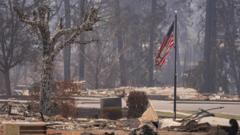
The physical destruction is only part of the story. Families return to find neighborhoods reduced to chimneys and twisted metal. Evacuation alerts upend daily life, while local resources stretch to a breaking point.
Thousands of firefighters work around the clock, battling exhaustion alongside the flames. Every hour spent tracking down an arsonist or investigating a human-set fire pulls precious manpower away from containment lines.
If you live in a wildfire-prone area, stay vigilant. Report suspicious vehicles lingering near dry fields, and respect local burn bans without exception. Protecting your home starts with keeping your eyes open.