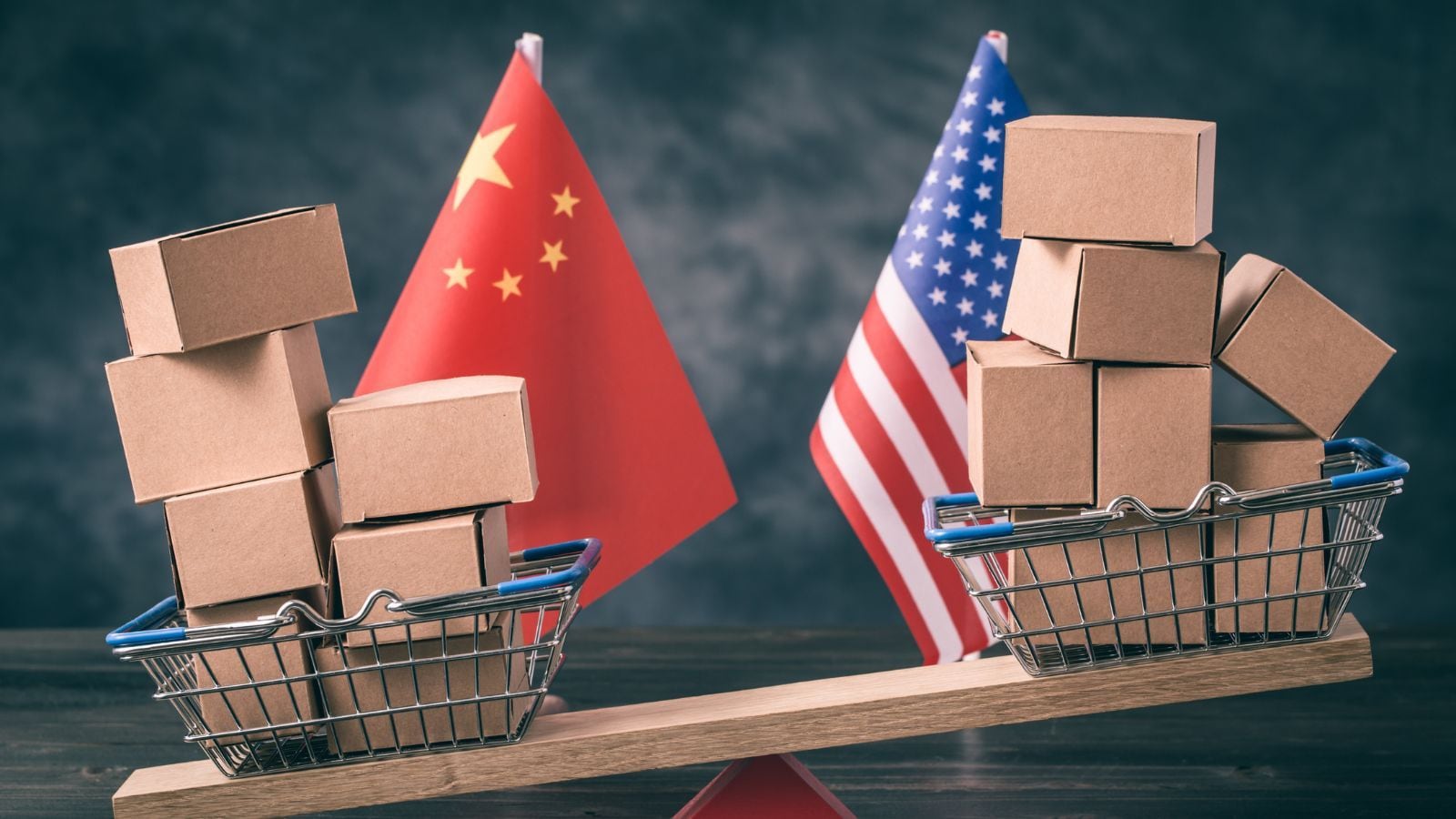
Washington just drew a hard line in the sand. A high-profile White House report released by trade adviser Peter Navarro accuses more than 40 nations of acting as transit points for Chinese goods meant to dodge steep American import taxes. They call it the "Great Transshipment Scam".
India sits right in the crosshairs of this new policy shift. Placed in Tier 1 alongside heavyweights like the European Union, Japan, and Mexico, India is labeled a "Diversified Scale Leader". That sounds polite, but the underlying accusation is sharp: the US believes massive industrial bases are becoming laundering hubs for rerouted Chinese manufacturing. For a deeper dive into similar topics, we suggest: this related article.
Decoding the Shadow Network
China didn't stop exporting when Section 301 tariffs hit back in 2018. Instead, goods started taking scenic routes.
Exporters ship semi-finished components or fully built products to third-party countries. Factories perform minimal work—sometimes just swapping labels, repacking boxes, or doing basic screw-turning assembly—before sending the inventory onward to American ports. The paperwork changes. The country of origin changes. The product remains fundamentally Chinese. For further background on this development, comprehensive analysis can also be found at The Washington Post.
The White House report estimates the scale of this shadow trade anywhere from 40 billion to over 300 billion dollars annually. Specific industrial corridors, such as India's Pune-Gujarat-Chennai manufacturing belt, absorb components like pumps and compressors that eventually compete directly with domestic American production in places like Ohio.
The Three Tiers of Risk
Washington grouped the accused nations into distinct tiers based on how deeply embedded these risks are within everyday commerce.
- Tier 1: Large industrial powerhouses like India, Canada, Taiwan, and South Korea where transshipment risks hide inside massive legitimate trade flows.
- Tier 2: Economies with heavy economic integration with Beijing, including Vietnam, Thailand, Malaysia, and Brazil.
- Tier 3: Smaller operational targets like Singapore, Cambodia, and the United Arab Emirates.
Senior officials made it clear that preferential access to the American market isn't a free pass to launder someone else's exports. If you want low tariffs, you play by the rules.
The AI Weapon Called Detective Border
Talk is cheap, but enforcement is shifting to algorithms. The US administration plans to deploy an artificial intelligence system named "Detective Border" to police incoming cargo.
This tool pulls together global shipping records, production capacity data, corporate ownership structures, and historical routing patterns. It uses computer vision and anomaly detection to spot suspicious supply chains before container ships ever dock at Los Angeles or New York.
The penalties carry real teeth. Under executive orders and upcoming trade clauses, US Customs and Border Protection won't just block a single fraudulent shipment. They can retroactively claim tariffs across an entire company's imports spanning the previous full year.
What This Means Moving Forward
Trade negotiations between Washington and New Delhi just got much harder. Officials are actively writing anti-transshipment clauses into every new bilateral agreement. These rules give customs agents wide latitude to penalize countries based on the broad spirit of compliance rather than waiting for a smoking gun.
If you manage global supply chains, ignorance is no longer an excuse. Audit your tier-two suppliers immediately and verify the exact origin of every sub-component in your inventory.
US cracks down on transshipment in Southeast Asia to curb China tariff evasion
This video provides additional context on how Southeast Asian transit hubs and shifting trade routes are driving American regulatory changes.
http://googleusercontent.com/youtube_content/1