When you talk about the American justice system from the outside, it is easy to treat it as an abstract set of statistics, court rulings, and political debates. But step inside a maximum-security prison and watch the reaction of men living behind those concrete walls, and the conversation changes instantly. Screenings of documentaries and films tackling penal reform inside institutions like Sing Sing Correctional Facility offer a raw, unfiltered lens on a system that most of society prefers to ignore.
Why Inside Screenings Hit Differently
Most people watch legal documentaries from the comfort of a living room couch, treating them as true crime entertainment or passing political commentary. Inside Sing Sing, the viewing experience is entirely different. The men watching aren't studying legal theory from a textbook; they are living out the real-world consequences of every policy, loophole, and judicial bias highlighted on screen.
When a documentary dissects systemic failures or the grueling path toward rehabilitation, the audience brings hard-earned firsthand knowledge to the room. They know the exact weight of a flawed trial, the frustration of bureaucratic stagnation, and the daily grind of trying to maintain humanity in an environment built to strip it away. That perspective exposes the gap between what policymakers think happens inside correctional facilities and what actually occurs on the cell blocks.
The Power of Arts and Media Behind Bars
Programs that bring film, theater, and creative workshops into maximum-security facilities do more than just break the monotony of a 23-hour lockdown. They provide a mirror. Organizations like Rehabilitation Through the Arts (RTA) have long demonstrated that creative expression forces individuals to confront their pasts, build empathy, and imagine a functional future outside.
When incarcerated men preview media focused on justice and reform, it validates their internal journeys. It tells them that their stories matter, even if the broader public rarely listens. More importantly, seeing authentic narratives about institutional life challenges the flat, two-dimensional stereotypes pushed by mainstream media and fictional
What Happens When Incarcerated Men at Sing Sing Watch a New PBS Justice System Documentary
entertainment
Prison walls block out a lot of the world. They don't block out the weight of the justice system itself.
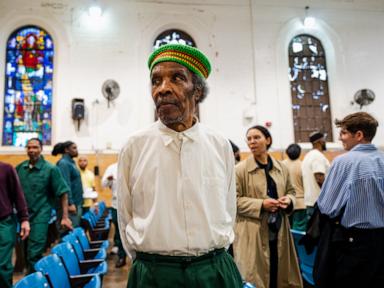
Inside the walls of maximum-security Sing Sing, a group of incarcerated men recently sat down to watch an early screening of a new PBS documentary focused on America's legal and correctional machinery. You can imagine the atmosphere in that room. It wasn't a standard movie night with popcorn and casual chatter. It was a mirror held up by a mainstream broadcaster to men who live the consequences of that machinery every single day.
When media organizations drop stories about criminal justice reform, they often talk about statistics, policy shifts, and abstract court rulings. They rarely talk about the room where the subjects of those policies actually sit and watch. This screening changed that dynamic completely. It forced a direct confrontation between how the outside world narrates criminal justice and how the people inside experience it.
The Reality of Screening Inside Maximum Security
Showing a documentary about the American legal system inside a legendary facility like Sing Sing carries an immense amount of friction. The historical weight of the prison on the Hudson River hangs heavy. It's a place synonymous with the electric chair, brutal conditions of the past, and decades of punitive confinement. Yet, it's also a place where intense rehabilitation programs, education initiatives, and artistic endeavors have taken deep root.
When the lights went down for the PBS preview, the audience wasn't passive. Incarcerated viewers process media through a lens of lived reality that no director or producer can fully replicate. Every frame of court proceedings, prosecutorial discretion, and sentencing disparity hits differently when you've lived through the end of it.
The documentary itself aims to dissect the architecture of modern prosecution, systemic bias, and the long road toward redemption. But the real story isn't just what was on the screen. It was the immediate, unfiltered reaction of men who know the system from the inside out. They spotted the nuances. They questioned the framing. They caught the moments where high-level policy discussions brushed past the brutal human cost of daily incarceration.
Why Media Framing Matters to the Incarcerated
We consume documentaries to learn something new. For incarcerated individuals, media coverage of the justice system often feels like watching a movie about your own life written by someone who has never met you.
Mainstream coverage tends to swing between two extremes. It either sensationalizes violent crime through true-crime entertainment or sanitizes reform through dry, academic policy reports. Neither approach captures the messy, exhausting reality of trying to rebuild a life inside a cage or fighting an appeal that feels like shouting into a void.
When PBS brings a project like this behind prison walls, it opens a rare conduit. It lets the people most affected by criminal justice policy evaluate the narrative being sold to the public. If a documentary about prison reform or legal fairness doesn't pass the smell test for the people actually doing time at Sing Sing, then the filmmakers missed the mark.
During the preview, the conversation didn't stop when the credits rolled. The ensuing dialogue tackled tough questions about accountability, public perception, and whether society actually wants rehabilitation or just permanent punishment.
The Broader Shift in Correctional Culture
Sing Sing isn't the frozen-in-time dungeon Hollywood loves to depict. Over the years, institutions like the Sing Sing Correctional Facility have seen a gradual, hard-fought push toward educational and cultural programs. Groups working inside the walls have brought in college classes, theater workshops, and journalism projects.
This PBS preview fits into that broader ecosystem. Bringing outside media in isn't just about entertainment. It breaks the psychological isolation of a maximum-security sentence. It connects the internal world of the facility with the external conversations happening in living rooms across the country.
If you want to understand where the criminal justice conversation is heading, you have to look at these intersections. You have to watch how incarcerated audiences engage with the stories being told about them. They aren't looking for sympathy. They are looking for accuracy. They want a system that acknowledges the harm done, the accountability owed, and the human potential still left to salvage.
Pay attention to how these documentaries roll out over the coming months. Watch how the public responds to the broadcast version versus how the men at Sing Sing dissected it in real time. The gap between those two perspectives remains wide, but screenings like this are the first step toward closing it.
Take time to look beyond the surface of standard criminal justice reporting. Seek out projects that give space to the voices of those directly impacted rather than relying solely on commentators and politicians. Support prison education and arts programs that build bridges across the prison wall. The more we listen to the people inside, the harder it becomes to ignore the flaws in the system we've built.