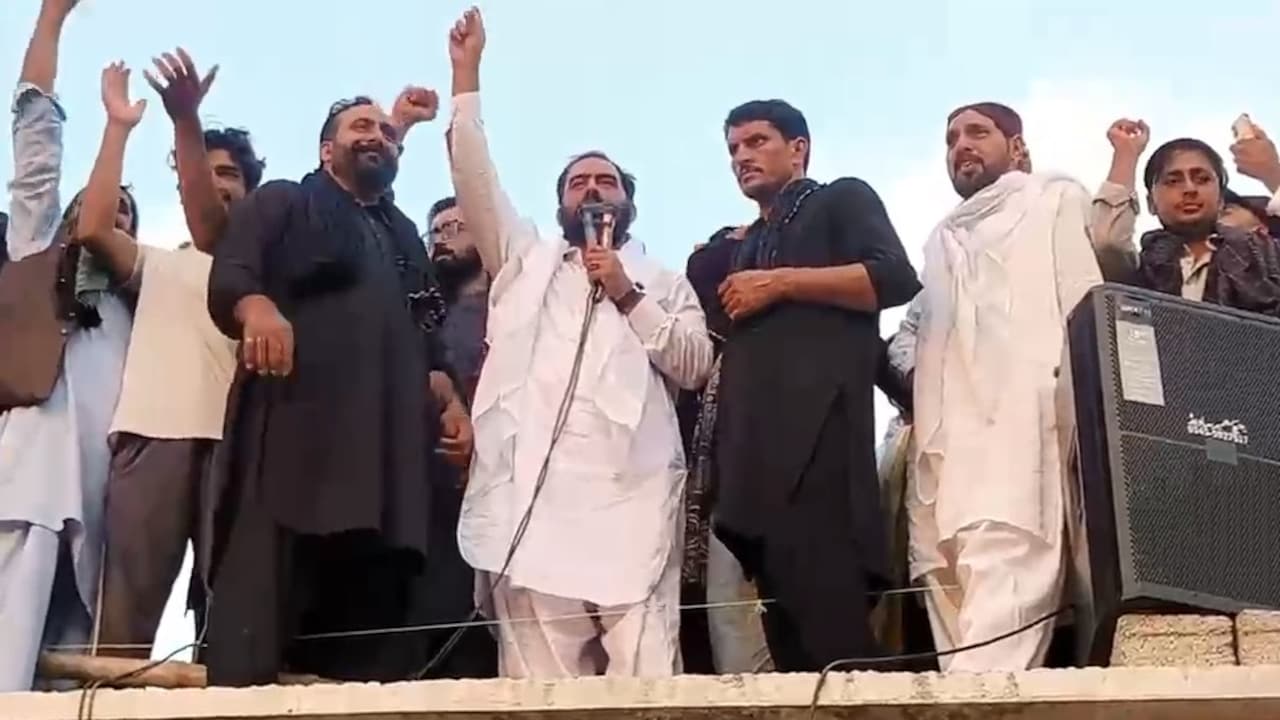
Pakistan occupied Kashmir, often called PoK, is staring down the barrel of a major political explosion. The 48-hour ultimatum issued by the Jammu Kashmir Joint Awami Action Committee, or JAAC, expired today, July 9, 2026. Right now, thousands of people are filling the streets across Muzaffarabad, Rawalakot, and Mirpur. They're demanding the immediate implementation of a 38-point agreement that has been gathering dust while Islamabad plays delay tactics. The region is shut down. The shops are closed. Wheels aren't turning.
People want to know what finally broke the camel's back this time. It isn't just about cheap flour or electricity bills anymore. The real trigger behind this latest showdown is a fundamental constitutional dispute over 12 legislative assembly seats reserved for Kashmiri refugees living inside Pakistan. The state's heavy-handed response has only poured gasoline on the fire. They banned the JAAC under the Anti-Terrorism Act. They threw over a thousand people in jail. They cut off mobile data and phone lines. If you think this is a minor local protest, you're missing the bigger picture. This is a direct challenge to Pakistan's administrative grip over the territory.
The Breaking Point of the 48 Hour Ultimatum
The JAAC didn't just come out of nowhere. This coalition of traders, lawyers, students, and regular citizens has been fighting a rolling battle against the state machinery for years. When they issued their 48-hour ultimatum, they meant business. The government promised peace and signed a 38-point charter months ago. Then, they sat on it.
Islamabad thought the movement would lose steam once winter passed. They were wrong. The local population feels completely betrayed by a government that extracts cheap hydroelectricity from local rivers while charging the residents exorbitant tariffs. When the deadline expired, the JAAC declared a "grand and final" protest. They called on locals and the global Kashmiri diaspora to disrupt the status quo.
The state responded with absolute panic. Security forces have been deployed in massive numbers. Paramilitary units are blocking major highways. Reports of tear gas shelling, rubber bullets, and direct clashes are coming out of Muzaffarabad despite the communication blockade. The administration tried an economic blockade first. They choked off the supply of food, flour, and critical medicines to the protest hubs. That strategy backfired completely. Instead of starving out the protesters, it drove neutral citizens straight into the arms of the JAAC.
The Core Dispute of the 38 Demands
The federal government claims it has already conceded 37 out of the 38 demands raised by the action committee. Rana Sanaullah, the political adviser to the Pakistani Prime Minister, openly admitted in the Senate that major economic concessions were granted. The state approved a 23-billion-rupee relief package. They brought electricity tariffs down to 4 rupees per unit. They stabilized wheat flour subsidies to match neighboring Gilgit-Baltistan.
Why is the region still burning? It's because of that single, unfulfilled 38th demand.
The JAAC wants the absolute abolition of the 12 seats in the Azad Jammu and Kashmir Legislative Assembly that are explicitly reserved for refugees from Indian-administered Jammu and Kashmir who settled across various provinces of Pakistan.
To understand why this is such a massive deal, you have to look at how politics works in Muzaffarabad. These 12 seats don't represent voters living within PoK. The voters live in cities like Lahore, Rawalpindi, and Karachi. Historically, whichever political party rules federally in Islamabad simply manipulates these refugee votes to rig the local PoK elections. It’s a backdoor method for Pakistan's ruling elite to manufacture a majority in the Muzaffarabad assembly, completely overriding the choices of the actual residents living on the ground.
The JAAC argues these seats are a tool of colonial-style management. The locals are tired of being ruled by puppets chosen by voters in Punjab or Sindh. Islamabad claims abolishing these seats requires complex constitutional amendments that cannot be executed by a simple prime ministerial decree. The protesters don't care about legal excuses. They view the reservation system as an existential threat to their local autonomy.
Iron Fists and Banned Organizations
When a government runs out of logical arguments, it relies on handcuffs and batons. The state's current strategy is pure suppression. Banning the JAAC under the Anti-Terrorism Act was a massive tactical error. It stripped away any room for peaceful negotiation. By labeling a mainstream civil rights coalition as a terrorist entity, the Pakistani deep state has delegitimized its own administrative legal framework in the eyes of the locals.
Look at the numbers on the ground:
- More than 1,000 citizens have been picked up by police over the last week.
- Over 600 established civil rights activists are currently held without clear charges.
- Bank accounts belonging to JAAC organizers have been frozen.
- Identity documents and passports of prominent local leaders have been seized at checkpoints.
The internet shutdown is the most telling sign of desperation. When authorities cut off the digital world, it’s usually because they don't want the world to see what their police units are doing on the streets. Local hospitals are reporting severe shortages of life-saving drugs because transport unions have parked their trucks in protest. The entire administrative machinery has ground to a halt.
The Geopolitical Fallout and the View From New Delhi
This domestic crisis is quickly bleeding into the international arena. The situation has become so dire that certain JAAC representatives have publicly looked across the Line of Control. Leaders on the ground have openly appealed to India for humanitarian intervention. They’re asking New Delhi to open the border checkpoints to allow food and medical supplies to flow in, bypassing the Pakistani blockade.
Some activist groups have gone even further, stating that if the state's military crackdown continues to intensify, civilians should be allowed to cross over into Indian Jammu and Kashmir for safety. This turns a domestic budgetary squabble into a massive geopolitical headache for Pakistan.
New Delhi is watching this play out very closely. For decades, Pakistan used the Kashmir issue as a foreign policy tool against India. Now, the internal contradictions of Pakistan's own administrative setup are blowing up in its face. The local population in PoK is explicitly pointing out the contrast between their economic misery and the massive infrastructure developments, high-speed internet, and relative stability seen on the Indian side of the Line of Control. The narrative of "Azad" or free Kashmir has completely crumbled from within.
What Happens Next
The current standoff cannot be resolved by offering another minor financial package. The trust between the local population and the federal administration is totally gone. The JAAC has made it clear that their sit-ins will remain active indefinitely until every single detained leader is freed and the refugee seat system is dismantled.
If you are tracking this situation for political risk or regional stability, look for these specific indicators over the next few days:
- The Refugee Vote Stance: Watch if Islamabad blinks and proposes a concrete legislative timeline to reform or reduce the 12 refugee seats. Any vague promise will be rejected immediately by the JAAC.
- Military Escalation: Track whether the Pakistan Army takes over direct policing duties from the local constabulary. If regular military units deploy to clear the streets of Muzaffarabad, casualties will rise sharply, making the unrest permanent.
- The Line of Control Pressure: Monitor whether civilian marchers try to move physically toward the Line of Control to demand trade openings with India. This would force a direct military response and create an immediate international incident.
The old playbook of using local political puppets and throwing money at structural problems isn't working anymore. The people of PoK are demanding actual political power over their own resources, and they aren't backing down.

:max_bytes(150000):strip_icc()/Sabyasachia-998984251b434f3a9c350c5694ef7f32.jpeg)