Buying protection on a brand-new stock right after a violent post-IPO drop sounds smart on paper. In practice, you might hand over a fortune in premiums before the options chain even finds its footing.
Anthropic listed on the Nasdaq under the ticker ANT on Thursday, November 19, 2026, pricing shares at $83 in a record-setting offering that grew to roughly $93.5 billion after underwriters exercised their overallotment option, alongside a separate private placement. Shares popped to open at $111.50 and climbed even higher early in the session before sliding to a $97.17 close. By Friday, November 20, the stock sank roughly 10% to 12% in heavy trading, pushing toward the high-$80s and dragging against broader AI and chip jitters. Investors holding newly minted ANT shares—or shorting the bounce—naturally want downside protection or exposure control. Yet listed options on ANT aren't trading on day one or day two, with Monday, November 23 marking the earliest possible listing window under exchange rules for large IPOs, and early contracts on a trillion-dollar-scale AI debut tend to price in brutal volatility.
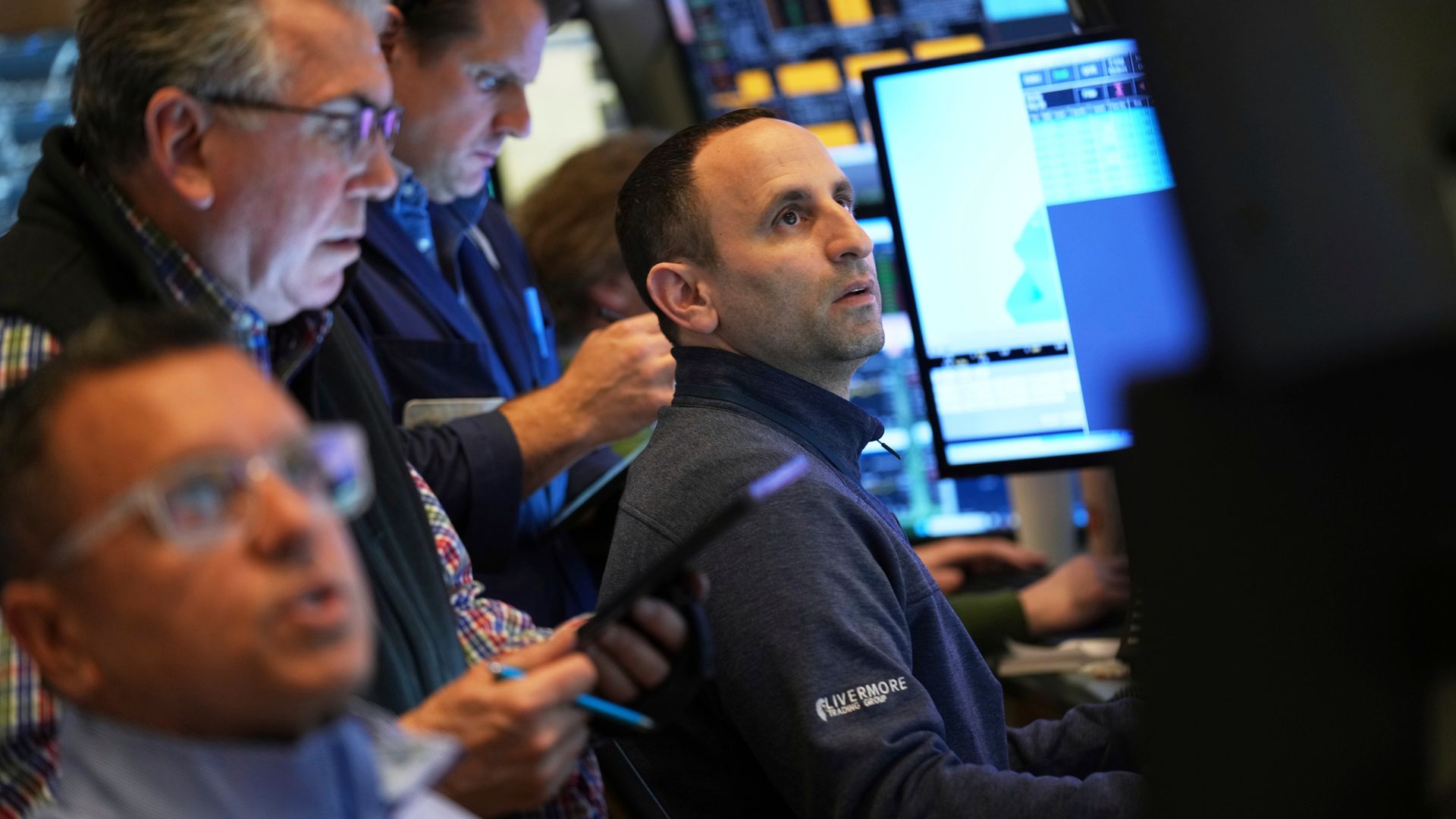
Let's be honest about what's happening here. Anyone looking at a stock swing from above $111 to the mid-$80s in less than two trading sessions feels the urge to slap a collar or buy protective puts right away. That instinct makes total sense when a massive chunk of your portfolio just went public into a nervous market. Still, rushing into expensive hedges on a fresh listing can chew up returns almost as fast as a bad tape.
Why Hedging Anthropic Stock Gets Expensive Fast
First, timing works against quick-trigger hedgers. Exchange rules allow options on large IPOs valued at $3 billion or more at offering to list starting on the second business day after the stock begins trading—meaning Monday, November 23 at the earliest for an offering that started on Thursday, November 19, depending on exchange decisions. Until an exchange certifies and lists those contracts, there's no standard listed options chain on ANT.
When options do arrive on a mega-cap AI stock during a sector sell-off, market makers price in massive uncertainty. There's no long historical volatility baseline for public ANT shares, and AI equities from chipmakers like Nvidia and AMD to memory names have been swinging hard on spending worries, export-control talk, and post-election jitters. Market makers protect themselves by widening bid-ask spreads and jacking up implied volatility. If you buy straight puts right out of the gate, you're paying top dollar for fear that's already priced into the screen.
Then there's the structural weight sitting underneath Anthropic's numbers. In its amended S-1/A filing, Anthropic disclosed roughly $900.9 billion in compute and lease commitments—including about $70.7 billion due within 12 months and $451.6 billion by the end of 2030—weighed against $95.6 billion in cash and cash equivalents plus $36.3 billion in short-term investments as of September 30. Revenue surged to $17 billion in the third quarter, up dramatically from prior years, yet infrastructure expenses climbed fast and revenue per dollar of compute slipped sequentially. Investors hedging a business with that kind of capital intensity aren't just betting on a random bounce; they're pricing in execution risk, compute costs, and shifting AI sentiment all at once.
What Investors Get Wrong About Post-IPO Protection
A lot of traders treat hedging like a free lunch that merely caps upside. It isn't. When implied volatility is elevated right after an IPO, buying out-of-the-money puts can drain cash week after week if the stock chops sideways or grinds higher. Even worse, wide spreads on newly listed contracts mean you often lose money the second you enter and exit a position.
Another common trap is confusing pre-listing or off-exchange contracts with real exchange-listed ANT options. Before a stock trades publicly, some platforms advertise synthetic or index-linked contracts tied to pre-IPO valuations. Those instruments clear differently, reference different prices, and carry counterparty or liquidity quirks that don't match standard equity options. Waiting for regulated exchange listings—and checking whether your broker actually displays a live ANT option chain—keeps you from trading the wrong instrument.
People also sometimes assume that owning shares in a major backer like Amazon or Alphabet acts as a clean substitute hedge for ANT. That's a stretch. Hyperscalers and chip partners have massive businesses of their own that move on cloud margins, ad spend, enterprise software, and hardware cycles. A dip in ANT doesn't automatically mean a clean offset in a partner stock, and vice versa.
Practical Ways to Manage Risk Without Overpaying
You don't have to sit frozen if ANT's swings are keeping you up at night, nor do you have to overpay for bloated option premiums. A few grounded steps help keep risk in check:
- Size your core position first. If a 10% move in ANT ruins your week, the position size is likely too big for a newly public AI stock. Trimming a small slice of shares directly on strength or bounce days lowers risk without paying option time decay.
- Avoid chasing wide spreads on day one of options. If ANT options open as early as Monday, November 23, watch how tight the bid-ask spreads are before placing market orders. Use limit orders and let early opening-bell liquidity settle instead of paying whatever market makers ask in the first few minutes.
- Compare alternatives to single-stock puts. Depending on your account and goals, broader tech or semiconductor hedges, cash buffers, or defined-risk spreads once options mature can sometimes do a cleaner job than buying expensive naked puts on a brand-new ticker. Check SEC EDGAR for Anthropic's filings and Nasdaq for official listing details so you're working off primary facts rather than social media rumors.
- Re-check fundamentals against the S-1. Watch how management handles compute commitments, cash burn, and revenue growth in upcoming public reports rather than reacting solely to two days of post-IPO price action.
Markets rarely hand out cheap insurance right in the middle of a storm. Take a breath, do the math on what protection actually costs against what you're trying to save, and don't let fear talk you into a bad trade.