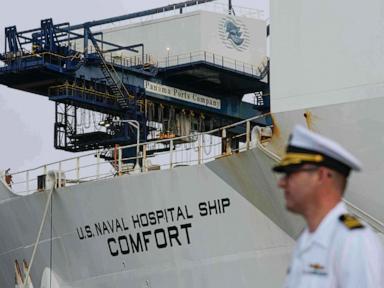
The Pacific Ocean is warming up, and that’s bad news for Peru. When the El Nino climate phenomenon hits, it doesn't just mean a few rainy days. It means floods, heatwaves, and a potential health crisis that can overwhelm local infrastructure in weeks. The United States just announced it is sending a military hospital ship, the USNS Comfort, to the Peruvian coast in February 2027 to get ahead of this catastrophe.
Honestly, this is a long-overdue move. Having lived through humanitarian logistics, I’ve seen how quickly disaster response falls apart without floating medical support. You can’t drive an ambulance through a flooded road, but a ship can sit off the coast and function as a trauma center. Don't forget to check out our previous article on this related article.
The Reality of El Nino in Peru
If you haven't seen the aftermath of a major El Nino event, you might think it’s just weird weather. In places like Piura or the northern coastal regions of Peru, it’s closer to an environmental collapse. Think back to 1997. We’re talking about massive infrastructure failure, destruction of crops, and a spike in infectious diseases that local clinics simply cannot handle.
When you get temperatures soaring past 40°C, infants and the elderly go into crisis mode. Dehydration, heatstroke, and respiratory complications hit simultaneously. When the rains follow the heat, you’re looking at waterborne diseases like cholera and dengue. Peru’s health ministry often finds its physical hospitals either damaged by flooding or completely inaccessible to the people who need them most. If you want more about the history of this, TIME provides an excellent breakdown.
That’s where the USNS Comfort changes the equation. It isn't just a boat; it’s a self-contained, high-tech hospital. It carries operating rooms, a pharmacy, and hundreds of medical personnel. It doesn’t need a functioning power grid on land to perform surgery. That independence is its biggest value.
Why This Deployment Matters Now
U.S. Ambassador to Peru Bernie Navarro made the announcement following a meeting with Peruvian Foreign Minister Carlos Espá. They’ve clearly recognized that waiting for the disaster to start is a losing game. The goal here is "rapid response."
The U.S. has been stung by criticism lately regarding its speed in responding to recent earthquakes in Colombia and Venezuela. Coordination gaps cost lives. By pre-positioning the USNS Comfort for a February 2027 arrival—right when meteorologists expect the peak of the climate impacts—they are finally moving from "reactive" to "proactive."
It’s also about more than just the ship. Espá and Navarro are working on a road map that includes overflights to monitor conditions and the delivery of critical equipment. Getting the logistics right before the roads wash out is the only way to actually make a difference.
Lessons From Past Missions
I’ve looked at the data from previous USNS Comfort visits, including their 2018 and 2019 missions. They didn't just show up to wave flags. They performed thousands of surgeries and provided dental and vision screenings for people who hadn't seen a doctor in years.
The most effective medical aid doesn't just treat the disaster; it relieves the pressure on the host nation’s system. If the local hospital in a northern Peruvian town is busy dealing with heatwave victims, they don't have the capacity to handle routine but critical surgeries. The ship takes that burden. It’s a force multiplier for a stressed medical system.
Actionable Steps for Preparedness
If you're in the region or involved in humanitarian planning, you need to understand that infrastructure is the first thing to go. You cannot rely on central government support when the highways are blocked by landslides.
- Decentralize your medical supplies. Don't keep everything in a single, vulnerable warehouse. Distribute essential medications to smaller, local nodes that can operate independently for at least 30 days.
- Focus on vector control early. The standing water left by floods is a breeding ground for mosquitoes. If you wait until the end of the rainy season to clear these areas, you’ve already lost the battle against dengue and malaria.
- Build local resilience. The best foreign aid is the kind that teaches local practitioners how to handle the specific trauma associated with these events. Use the presence of international medical teams to facilitate training, not just to offload patients.
The USNS Comfort is a vital resource, but it’s a temporary patch on a systemic problem. Peru is at the mercy of a warming Pacific, and the only way to survive these cycles is to build systems that don't need a miracle to keep working. The ship buys them time. It’s up to the local and national leaders to use that time to fix the permanent gaps in their disaster response architecture.
Don't wait for the water to rise before you check your own emergency preparedness. Whether it's climate-driven or a standard disaster, the rules remain the same: have a plan, secure your supplies, and don't count on outside help arriving the second you call.