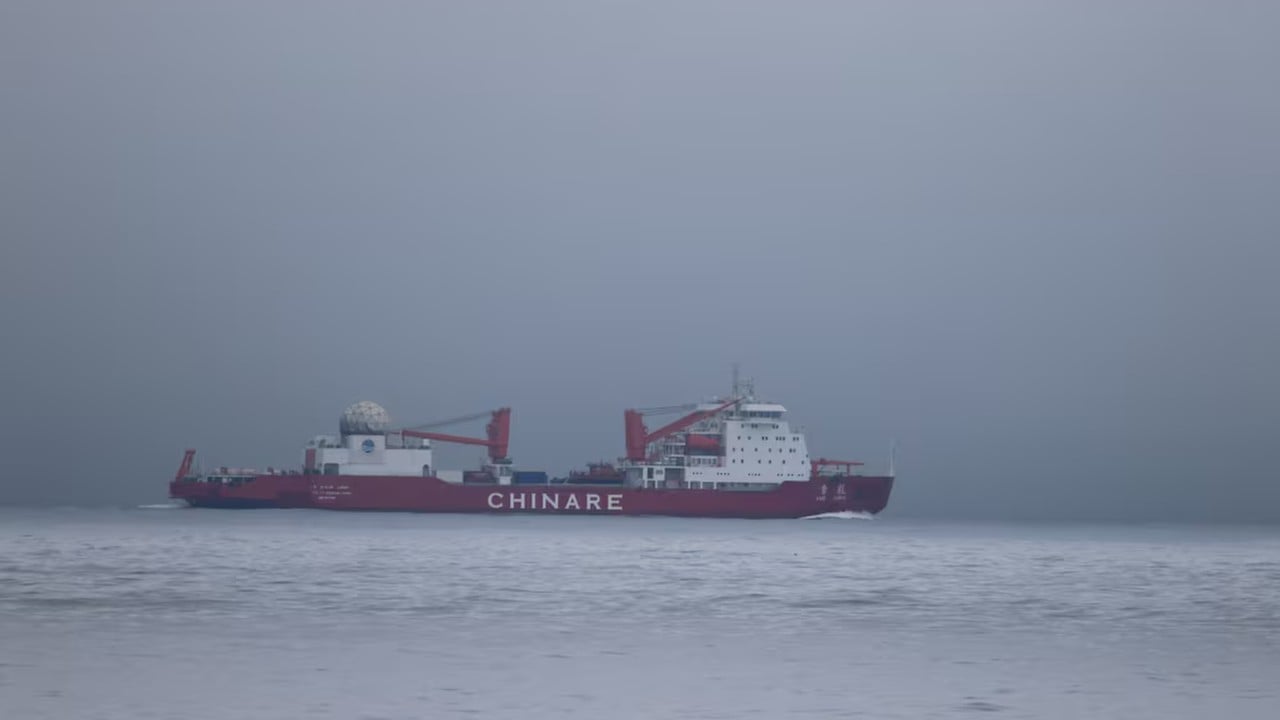
Everybody loves a shortcut. When global supply chains face choke points, rising insurance rates, and geopolitical bottlenecks, the idea of sailing right across the top of the world sounds brilliant. That is the promise of the Northern Sea Route. For years, Beijing has eyed these icy northern waters as a transformative trade corridor to slice days off transit times to Europe.
Reality just hit hard.
Recent traffic surges across Arctic waters came with a steep reality check. Sudden shifts in sea ice, exorbitant icebreaker escort fees, and punishing insurance premiums have exposed major vulnerabilities in these northern shipping dreams. It turns out that melting ice does not automatically equal an open, commercial highway.
Let's look past the glossy policy briefs and examine what is actually happening in the high north.
The False Promise of Open Water
People assume that climate change turns the Arctic into a warm, clear sea. That is wrong. While summer ice cover shrinks overall, localized ice conditions remain dangerously unpredictable. Heavy multi-year ice floes can drift unexpectedly, trapping commercial vessels that lack specialized reinforced hulls.
Commercial cargo ships are not icebreakers. Even during peak summer windows, unexpected pack ice can stall a convoy for weeks. When a ship gets stuck, the financial bleeding starts immediately. You either wait for conditions to improve or pay staggering sums for nuclear icebreaker assistance.
The Hidden Financial Trap
Saving fuel by taking a shorter route sounds great on a spreadsheet. Then you factor in operational overhead.
Standard commercial insurance policies exclude polar regions or charge ruinous premiums for operating above the Arctic Circle. Throw in mandatory Russian icebreaker escort fees for transiting the Northern Sea Route, and those theoretical fuel savings evaporate.
- Specialized polar-class vessel charter rates are exceptionally high.
- Salvage and rescue infrastructure along the Arctic coast is sparse to nonexistent.
- Mechanical failures in sub-zero environments lead to catastrophic repair bills.
If an engine fails halfway through the Vilkitsky Strait, you aren't calling a local tow truck. You are looking at multi-million-dollar recovery operations.
Geopolitical Realities and Operational Risks
China's polar strategy relies heavily on cooperation with Moscow, given that the most viable Arctic shipping lanes run along the Russian coastline. This creates a tight strategic dependency. Changes in regulatory policies, shifting transit fees, or sudden mandates from regional authorities can upend a shipping schedule overnight.
Commercial shippers operate on tight margins and predictable timetables. Just-in-time manufacturing relies on punctuality. If a cargo vessel misses its delivery window by three weeks because it got stuck behind a massive ice ridge, the client loses millions. Reliability always trumps theoretical speed.
Right now, Arctic shipping remains a high-risk gamble rather than a stable commercial alternative to the Suez or Cape of Good Hope routes.
Stop treating northern routes as an imminent fix for global logistics. Until ship design catches up, insurance markets stabilize, and predictable infrastructure exists, scaling Arctic commercial traffic will remain an expensive uphill battle. Plan accordingly.