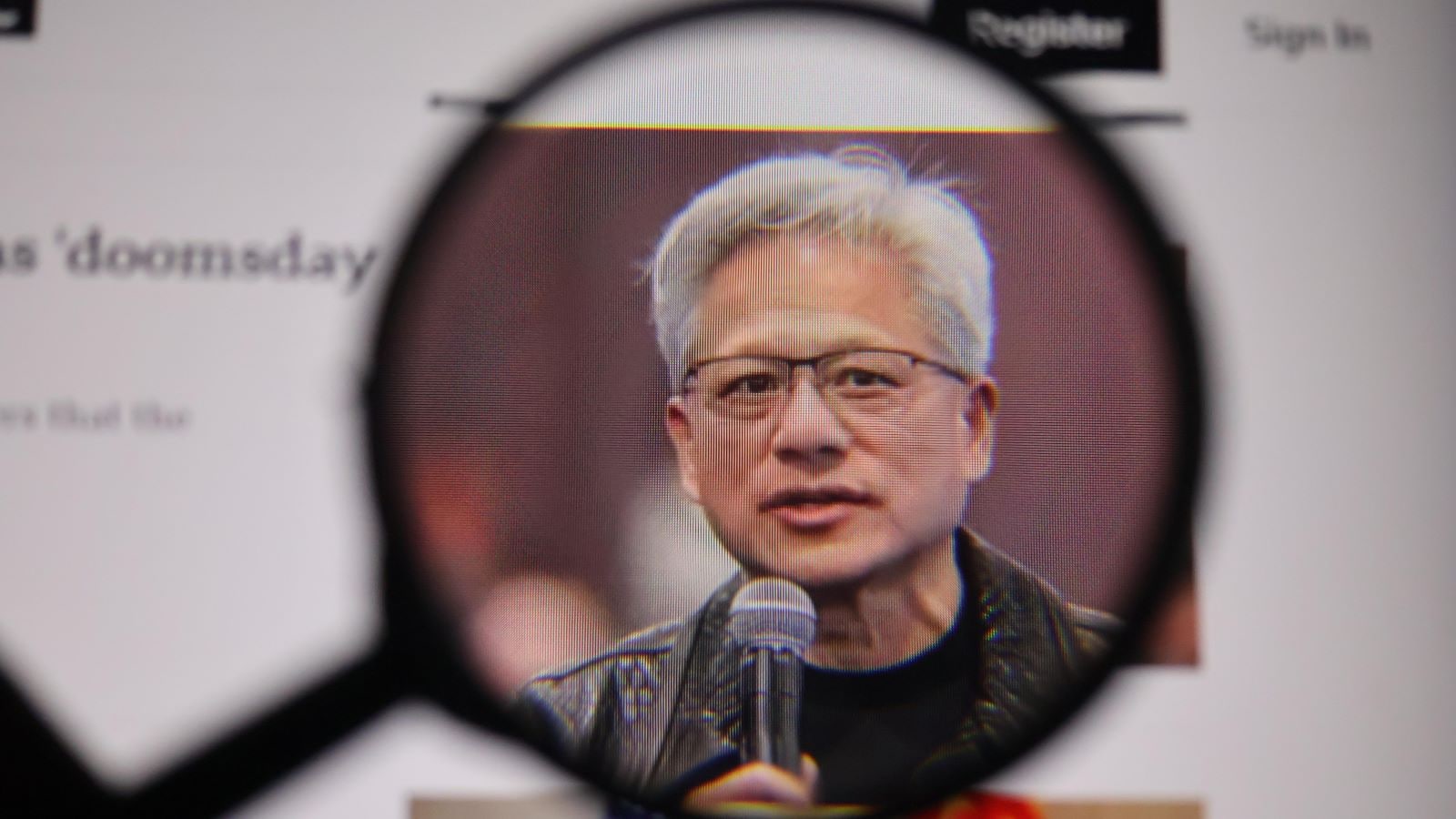
When a multi-trillion-dollar tech giant undergoes a leadership earthquake, the shockwaves inevitably hit everyone down the supply chain. Singapore-based cloud partner Megaspeed has officially broken its silence regarding Chinese businesswoman Alice Huang, confirming that she left the firm on August 30, 2025. The announcement comes amid a raging international scandal involving former Nvidia CEO Jensen Huang and heavy scrutiny over restricted semiconductor shipments.
If you are trying to piece together how a regional cloud supplier became tangled in a geopolitical compliance storm, the timeline matters. Megaspeed's recent statements attempt to draw a hard line between its current operations and a turbulent past. But as external legal counsel digs into the company's books and global supply chains, tech markets are left asking how deep the exposure actually goes.
The Timeline of the Alice Huang Departure
Megaspeed's public clarification addresses months of mounting speculation following reports that tied Alice Huang to high-level tech executives and national security concerns. According to the company, Huang holds no position and retains no role within the organization following her departure late last year.
Yet, the separation has done little to quell broader investigations. Regulatory bodies across multiple jurisdictions are looking closely at how boutique cloud infrastructure providers managed their allocations of high-performance chips during the height of the artificial intelligence boom. Megaspeed has maintained that its historical business dealings were lawful, pointing to compliance frameworks designed to meet strict international trade requirements.
Still, corporate transitions executed during active regulatory interest rarely put rumors to bed immediately. When key figures exit quietly before public scrutiny peaks, market observers naturally question the internal checks and balances that allowed potential vulnerabilities to go unnoticed.
Supply Chain Scrutiny and Export Controls
The core issue driving the Megaspeed probe extends far beyond individual employment records. At stake is the integrity of global export controls governing advanced artificial intelligence hardware. Semiconductor supply chains operate on trust, strict auditing, and end-user verification. When a regional partner faces allegations regarding restricted shipments or unusual corporate structures, the downstream effects hit hardware procurement cycles hard.
Investigators are focusing heavily on how cloud partners secure priority access to advanced processors and whether secondary routing mechanisms bypassed established trade restrictions. Megaspeed has retained independent legal counsel to conduct a comprehensive internal review, aiming to verify that every commercial transaction complied fully with local and international statutes.
For industry insiders, this situation highlights a glaring blind spot in modern tech expansion. Rapidly scaling infrastructure firms often prioritize hyper-growth and hardware acquisition over exhaustive background compliance. When geopolitical tensions flare, those shortcuts turn into structural liabilities.
What Comes Next for Megaspeed
Surviving an international scandal requires more than a press release and an internal audit. Megaspeed must prove to remaining commercial partners and regulators that its operational architecture is completely clean. That means opening up supply chain logs, clarifying past customer tiers, and demonstrating absolute transparency regarding past executive decisions.
The broader tech sector is watching closely. As governments tighten the screws on cross-border technology transfers, the days of opaque partnerships and quiet executive exits are officially over. Compliance is no longer an administrative afterthought. It is the core metric determining who stays in the game.