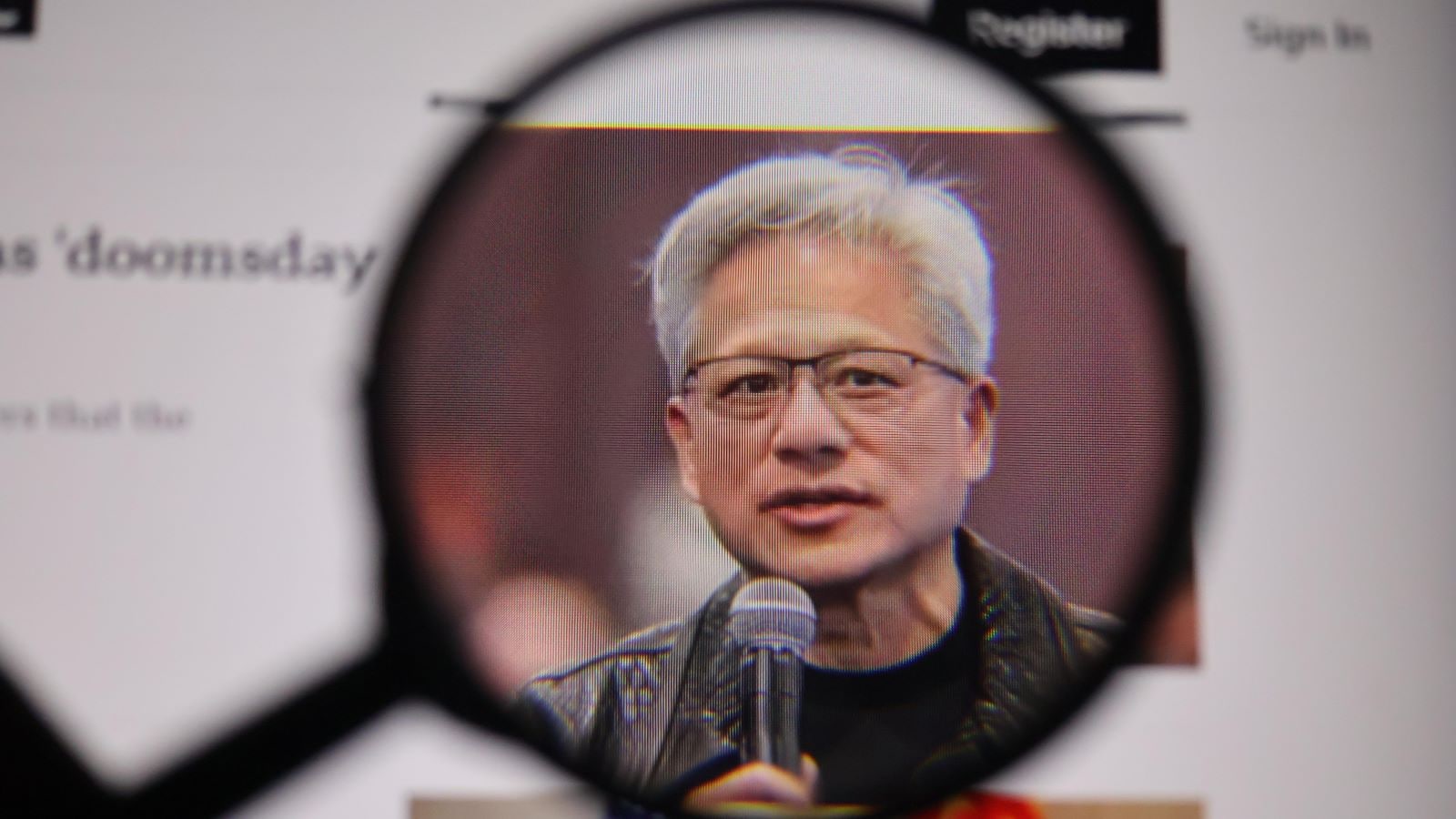
Tech moguls are rarely judged by their manners, but boardroom culture at the top of the AI boom is breaking under its own weight. Behind the leather jackets, keynote applause, and trillion-dollar market valuations lies a much grittier reality of corporate intimidation. When stories leak about powerful founders berating their inner circle, people act surprised. They shouldn't be.
Reports detailing former Nvidia chief executive Jensen Huang telling veteran sales executive Jay Puri, "I hope you get the flu and I hope it gets worse," followed by, "I hope you die and put us all out of our misery," offer a raw look at how intense tech leadership actually functions. Occurring during a closed-door strategy session with over thirty senior leaders watching in absolute silence, the outburst exposes a stark mismatch between public corporate PR and internal reality.
The Myth of the Humble Founder
For years, media profiles painted Jensen Huang as a folksy, approachable immigrant success story. Biographers and magazine features loved recounting his early days washing dishes at Denny's and his habit of tipping servers generously. It built a narrative of humility that masked a much more aggressive operational style.
As recent investigative reporting from outlets like The New York Post highlights, Huang’s tolerance for disagreement inside closed doors was practically nonexistent. When you manage a company driving the entire global artificial intelligence infrastructure, the pressure cooker operates at maximum heat. But there is a wide canyon between high-stakes management and personal degradation. Witnesses note that while sharp critiques were common in Nvidia's marathon executive sessions, the specific remarks directed at Puri left thirty seasoned corporate leaders stunned into silence.
Puri, who oversaw worldwide field operations and sales development during a crucial growth phase for the company, sat motionless through the tirade. He later transitioned into a senior advisory role. Yet the incident highlights a recurring pattern across Silicon Valley where towering genius is used as an excuse for toxic workplace behavior.
The Cost of Extreme Spans of Control
How does an executive culture reach this boiling point? Part of the answer lies in organizational design. More than sixty top executives reported directly to Huang. That is an unmanageable span of control for any human being, creating an intense bottleneck where a single leader holds absolute, unfiltered power over every major strategic decision.
When a founder operates with that level of unchecked authority, fear replaces constructive debate. Employees learn quickly that questioning a roadmap or pushing back on unrealistic targets is like lighting a fuse. Other reported incidents from Nvidia's Santa Clara headquarters—including water bottles thrown across rooms and sudden expulsions of first-time meeting attendees accused of "smirking"—paint a picture of an empire built on psychological intimidation.
Tech history is littered with brilliant tyrants. Steve Jobs famously shredded employees in elevators, and Elon Musk has long operated under a regime of public firing and intense personal pressure. Yet investors and boards usually look the other way as long as the stock chart climbs upward.
What This Means for Corporate Governance
The timing of these workplace revelations matters. Coming to light amid broader executive departures and leadership transitions, these disclosures force a hard look at how tech giants govern themselves. Wall Street historically treats executive abuse as noise if the revenue numbers sing. But extreme founder-centric models carry systemic risk.
When a multi-trillion-dollar enterprise relies entirely on the psychological stability and moods of one individual, vulnerability skyrockets. Boards of directors face a difficult reckoning when charismatic visionaries cross the line from demanding into abusive. Tolerating verbal degradation erodes long-term institutional resilience, driving away top-tier talent who refuse to work in an atmosphere of fear.
Ultimately, building the hardware that powers the future of global intelligence requires extraordinary technical skill. It does not require destroying the people tasked with selling it. The real lesson of the Nvidia boardroom confrontation isn't just about one bad day or a heated executive meeting. It is about whether modern corporate boards will finally stop trading basic human dignity for short-term stock performance.