When London decided to crack down on West Bank settlements, everyone braced for an explosive transatlantic row.
British Foreign Secretary Ed Miliband dropped a massive diplomatic bombshell by announcing a sweeping trade ban on goods from illegal Israeli settlements, alongside a declaration that the wider military occupation is unlawful. Naturally, Israeli officials hit back hard, closing the UK consulate in East Jerusalem and cutting ties. But the real wildcard in this high-stakes game has always been Washington.
How did Donald Trump react to Britain poking the bear in the Middle East?
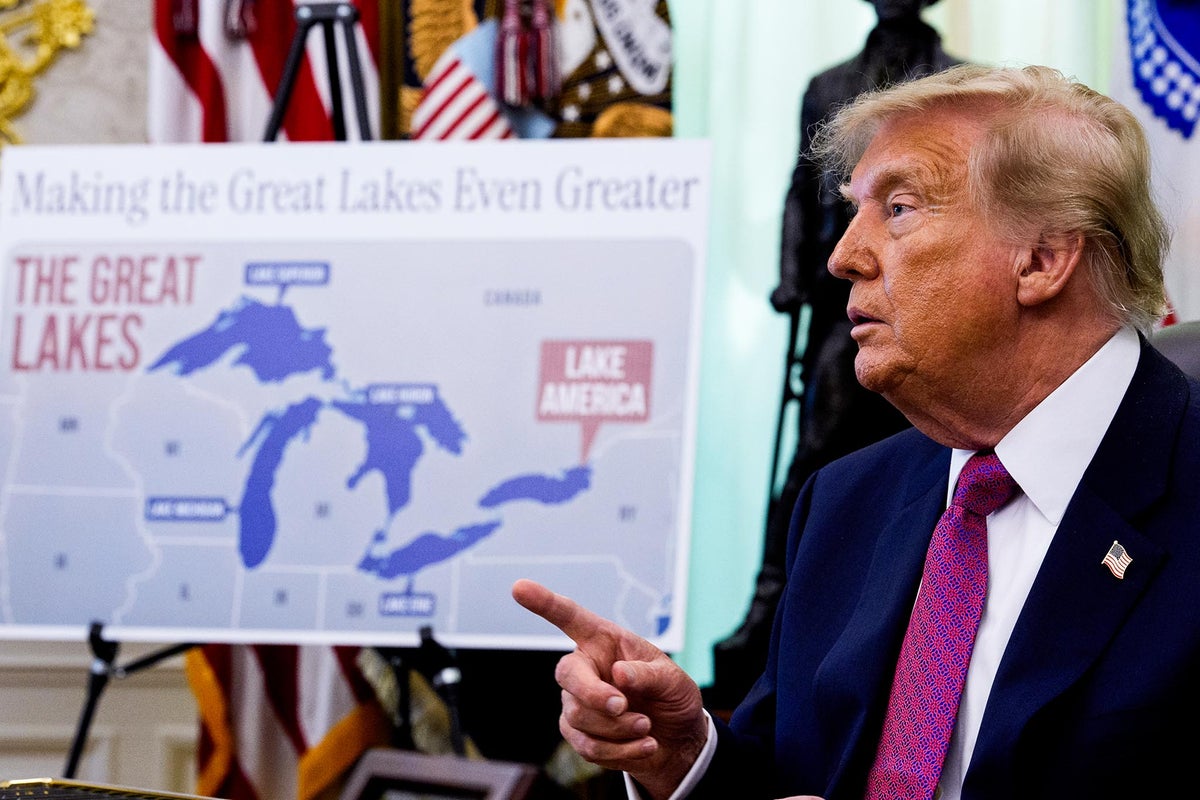
If you expected a fiery tirade or immediate threats of retaliation from the White House, you missed how Trump actually operates. Speaking to reporters on his way to a Republican convention in Texas, the US President offered a surprisingly subdued, wait-and-see posture.
"Well, I've just seen it and I'll be speaking to Israel," Trump told reporters. "I'll be speaking to them and I'll find out what's their thinking. I understand exactly what's going on, but I want to find out why all of a sudden does that happen."
That reaction stands in stark contrast to the bluster coming from other corners of American diplomacy. US Ambassador to Israel Mike Huckabee went on the BBC to blast the UK government's move, claiming it amounted to "discrimination against the Jewish people." Yet the White House quickly distanced itself from Huckabee's rhetoric, making it clear those comments were entirely uncoordinated with the administration.
Behind closed doors, the dynamic looks even more nuanced. Reports surfaced that Trump didn't actually push back or ask Prime Minister Andy Burnham to change course during a pre-announcement phone call. US Secretary of State Marco Rubio echoed that measured approach, refusing to condemn London's measures while stating that Washington shares a core goal of regional stability without a sudden spike in violence.
Why the White House is Playing It Cool
You might wonder why a traditionally staunch defender of the Israeli government isn't screaming bloody murder over British sanctions. Trump isn't a fan of getting boxed into someone else's corner. Relations between Trump and Israeli Prime Minister Benjamin Netanyahu have cooled considerably. Disagreements over regional peace frameworks and ongoing security challenges have created a noticeable chill between the two leaders.
Trump evaluates these situations through a transactional, independent lens. He wants to know what prompted London's sudden pivot, but he isn't automatically rushing to bail out Netanyahu's government from European diplomatic pressure.
Meanwhile, Israeli Foreign Minister Gideon Sa'ar warned that actions against Israel will not go unanswered, targeting the UK's influence in the region. But the broader concern inside Israeli political circles is domino effects. With France, Canada, and other nations aligning with aspects of the sanctions regime, Europe is shifting the diplomatic baseline.
What This Means Moving Forward
If you are trying to read the tea leaves on international relations, don't expect Washington to throw its weight behind a blanket defense of settlement expansion right now. Trump's refusal to instantly condemn London signals that Western allies have more room to maneuver than hardline factions in Jerusalem care to admit.
The friction is real. The diplomatic fallout is accelerating. But Trump's response shows he is more interested in direct talks and assessing the political leverage points than blindly following a script written by anyone else. Expect direct phone calls between Washington and Jerusalem to dictate the next phase of this crisis, while European capitals watch closely to see if their gamble pays off.