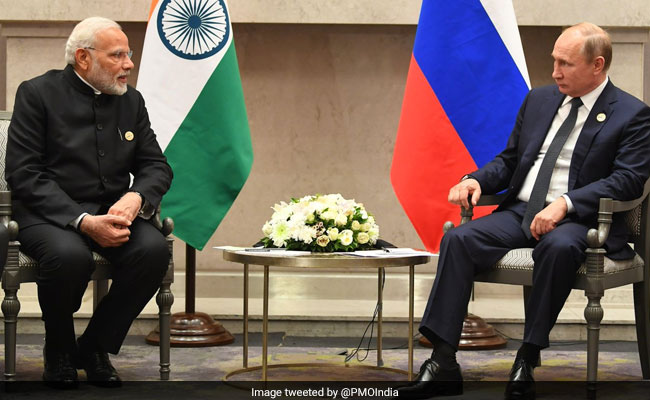
When Prime Minister Narendra Modi and Russian President Vladimir Putin sit down for bilateral talks, the Western press scrambles for headlines. But you shouldn't look at these high-profile meetings through a single lens. Beneath the handshakes at New Delhi's Bharat Mandapam, a massive realignment of global trade, defense architecture, and diplomatic strategy is unfolding in real time.
If you want to understand why this specific meeting matters right now, you have to look past the photo ops. Let's break down what actually happened behind closed doors and why it affects global markets.
The Real Agenda Behind Closed Doors
Most mainstream coverage treats these summits as giant social clubs. That's a mistake. When Putin arrived in New Delhi for the 18th BRICS Summit, his itinerary with Modi wasn't just about pleasantries. Kremlin spokesperson Dmitry Peskov made it clear ahead of time that bilateral trade, energy corridors, and defense logistics form the bedrock of their discussions.
India's balancing act is delicate. New Delhi buys discounted Russian crude, defying Western sanctions, while simultaneously strengthening security ties with Washington and its allies through frameworks like the Quad. Modi handles this pressure with absolute pragmatism. During their 45-minute sit-down, the two leaders mapped out solutions to bypass financial bottlenecks caused by Western restrictions, opening up new pathways for secure payment systems and expanded investments from Indian firms into the Russian economy.
Transportation and infrastructure projects also took center stage. Connectivity corridors like the International North-South Transport Corridor (INSTC) are no longer theoretical ideas on a map; they're urgent necessities. Both leaders know that secure trade routes will dictate economic survival over the next decade.
The Ukraine Conflict and the Limits of Diplomacy
You can't talk about a Modi-Putin meeting without addressing the elephant in the room: the ongoing war in Ukraine.
Modi has repeated his stance on multiple international stages, telling Putin directly that dialogue and diplomacy remain the only viable paths forward. India isn't acting as a mediator in the Western sense, nor is it joining the chorus of condemnation. Instead, New Delhi maintains a distinct, independent foreign policy position.
Putin briefed Modi on the ground realities of the conflict, and India used the opportunity to emphasize how ongoing global disruptions—especially in West Asia and Eastern Europe—are choking supply chains and hurting emerging economies in the Global South.
What This Means for Global Power Dynamics
The timing of these bilateral talks right before the larger BRICS gathering isn't accidental. BRICS is expanding its footprint, bringing together massive economic players who want alternatives to dollar-dominated financial systems.
When you watch Modi, Putin, and Chinese President Xi Jinping share the same stage, you're seeing the architecture of a multipolar world being built brick by brick. India's strategy is clear: maximize national interest, secure energy supplies, maintain strategic autonomy, and refuse to be boxed into a Cold War-style binary choice.
If you're tracking international relations or global economics, stop reading the surface-level commentary about who shook whose hand. Pay attention to the currency swaps, the energy pipelines, and the logistics agreements being finalized out of the public eye. That's where the real power shift is happening.
PM Modi Meets Putin Ahead Of BRICS 2026
This video provides an up-close look at the high-profile diplomatic engagement between Prime Minister Narendra Modi and Russian President Vladimir Putin in New Delhi.
http://googleusercontent.com/youtube_content/1