When Donald Trump lifted restrictions on Russian fuel imports and struck a deal with Vladimir Putin back in October, the White House had a clear goal. The objective was straightforward: flood domestic and global markets with extra supply to cool down stubborn fuel prices.
Data from analytics firm Kpler shows Russia's diesel exports surged from 135,000 barrels per day in September to 271,000 barrels per day in October. That is a massive one-month jump of roughly one hundred percent.
Yet, there is a catch. Not a single drop of that extra Russian diesel has made it to an American port.
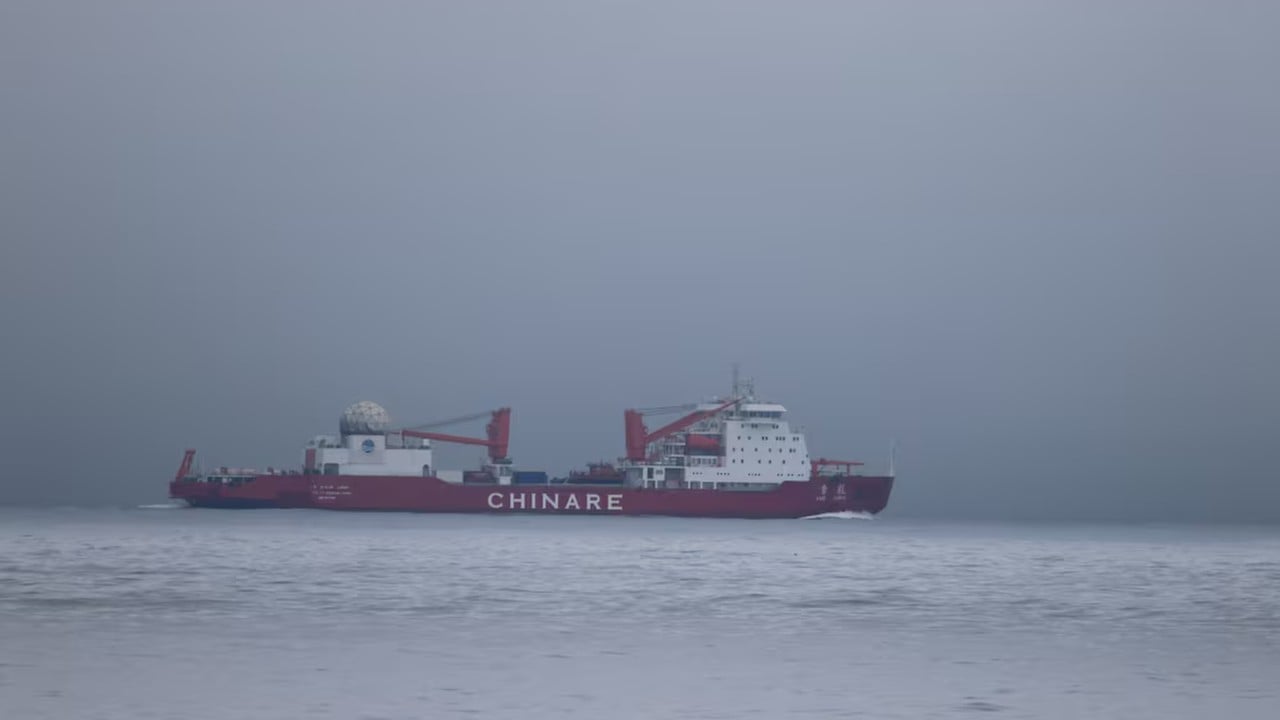
Political pushback happened almost instantly. Both Republican and Democratic lawmakers questioned the legality of the arrangement, while local officials like New Jersey's governor warned port operators to stay clear of sanctioned Russian cargo. Cargo ships originally steaming toward North American buyers found themselves reversing course or stalling in open water. Tankers like the Agioi Fanendes ended up idling off the US East Coast, waiting for a buyer who may never call.
So where did the fuel actually go?
Instead of entering the United States, those surging Russian barrels found eager buyers elsewhere. Nations like Turkey and Brazil stepped in to absorb the surplus. Moscow didn't lose out on the sales; it just redirected the tankers. Traders and middlemen quickly pivoted, showing that global commodity markets care less about political declarations and more about logistics and risk management.
At the same time, Russia's ability to maintain these higher export numbers faces serious headwinds. Ukrainian forces resumed drone and missile strikes on Russian oil refineries at the end of October following a brief pause. Facilities hit since then account for nearly thirty percent of Russia's total refining capacity. Analysts at Energy Aspects and Kpler note that Russian refinery throughput remains capped around 4 million barrels per day. With persistent damage and Moscow extending its broader export restrictions, any long-term recovery in fuel production looks doubtful.
This entire episode exposes the glaring gap between top-down political deals and on-the-ground reality. Even when a superpower leader lifts restrictions, secondary sanctions anxiety, angry lawmakers, and wary port operators create a wall that tankers simply cannot cross. Traders learned years ago that touching Russian energy carries reputational and financial baggage. Banks, insurers, and shippers prefer avoiding the headache altogether unless profit margins are overwhelmingly high.
Russia's diesel sector caught a temporary break when attacks paused, letting output jump. But the American market remains completely closed off. Moscow keeps selling its fuel, just to different ports, while domestic US prices didn't get the relief the administration wanted. Sanctions and trade restrictions don't always stop the flow of oil. Sometimes, they just redraw the map.